January 14, 2026
Video and Game Subscriptions Jump 29% in One Year
The federal category covering video and game subscriptions rose 29% in 2025, compared with a 2.7% increase in overall consumer prices.
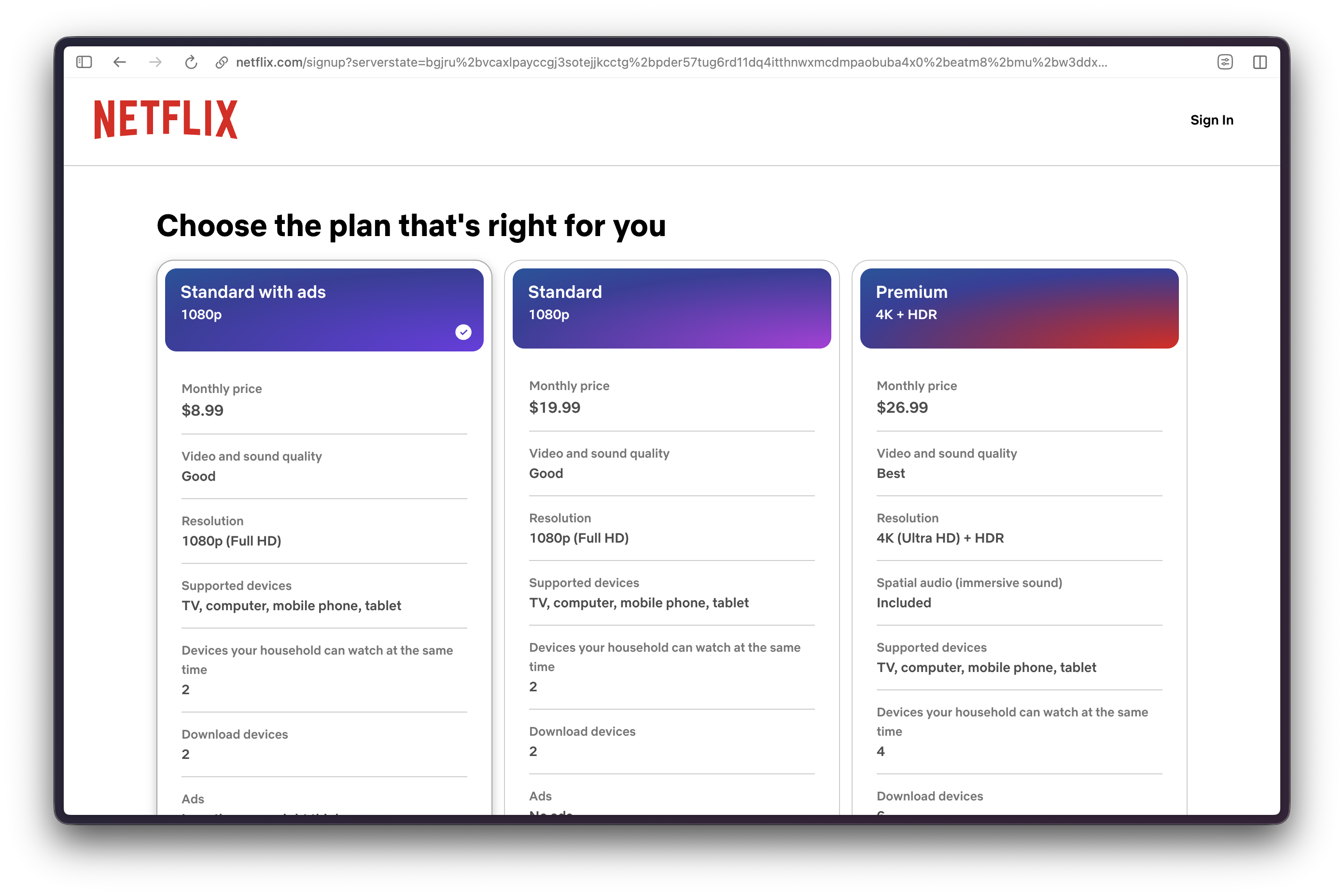
Entertainment subscriptions have crossed from convenience into household tollbooth, and the price data finally caught the jump. The federal category covering subscriptions and rentals for video services and video games rose 29% from December 2024 to December 2025, according to Bureau of Labor Statistics data reported by Ars Technica. Overall consumer prices rose 2.7% during the same period.
The category is broader than streaming video alone. It captures the recurring price of access across television, movies, and games. That makes it a cleaner signal for the larger subscription squeeze: consumers are still paying for entertainment, but the meter is spinning faster.
Subscription Stack
Streaming once promised a cheaper, cleaner alternative to cable. The market fragmented instead. A household now needs several services to follow popular shows, live sports, prestige series, and children’s programming.
Games added their own memberships, season passes, cloud access, and online tiers. Each charge can look manageable by itself. The full stack behaves like a utility bill assembled by separate companies.
Price increases also arrive through packaging. An ad-free tier gets more expensive. A cheaper tier adds commercials. Password rules narrow. Premium content moves behind another bundle.
Greedflation Test
Greedflation describes the suspicion that companies use a period of inflation to raise prices beyond their own cost increases. The 29% jump does not prove motive, but it gives consumers a reason to look harder at market power and pricing strategy.
Entertainment companies face real costs for content, sports rights, infrastructure, and talent. They also spent years subsidizing growth, then shifted toward profit after the market stopped rewarding subscriber counts at any price.
Consumers are now paying for that reset.
Cancellation Economy
The response is rotation. Viewers subscribe for one show, cancel, and move to the next service. Families tolerate ads, share fewer accounts, and rediscover free television.
That behavior makes revenue less predictable and pushes platforms toward bundles that resemble the cable packages they replaced.
The streaming revolution broke television into pieces. The bill is putting it back together.