February 26, 2026
The New Weight of Family Caregiving
One in ten U.S. adults cares for a parent age 65 or older, turning Careload Shift into household schedules, finances, and health.
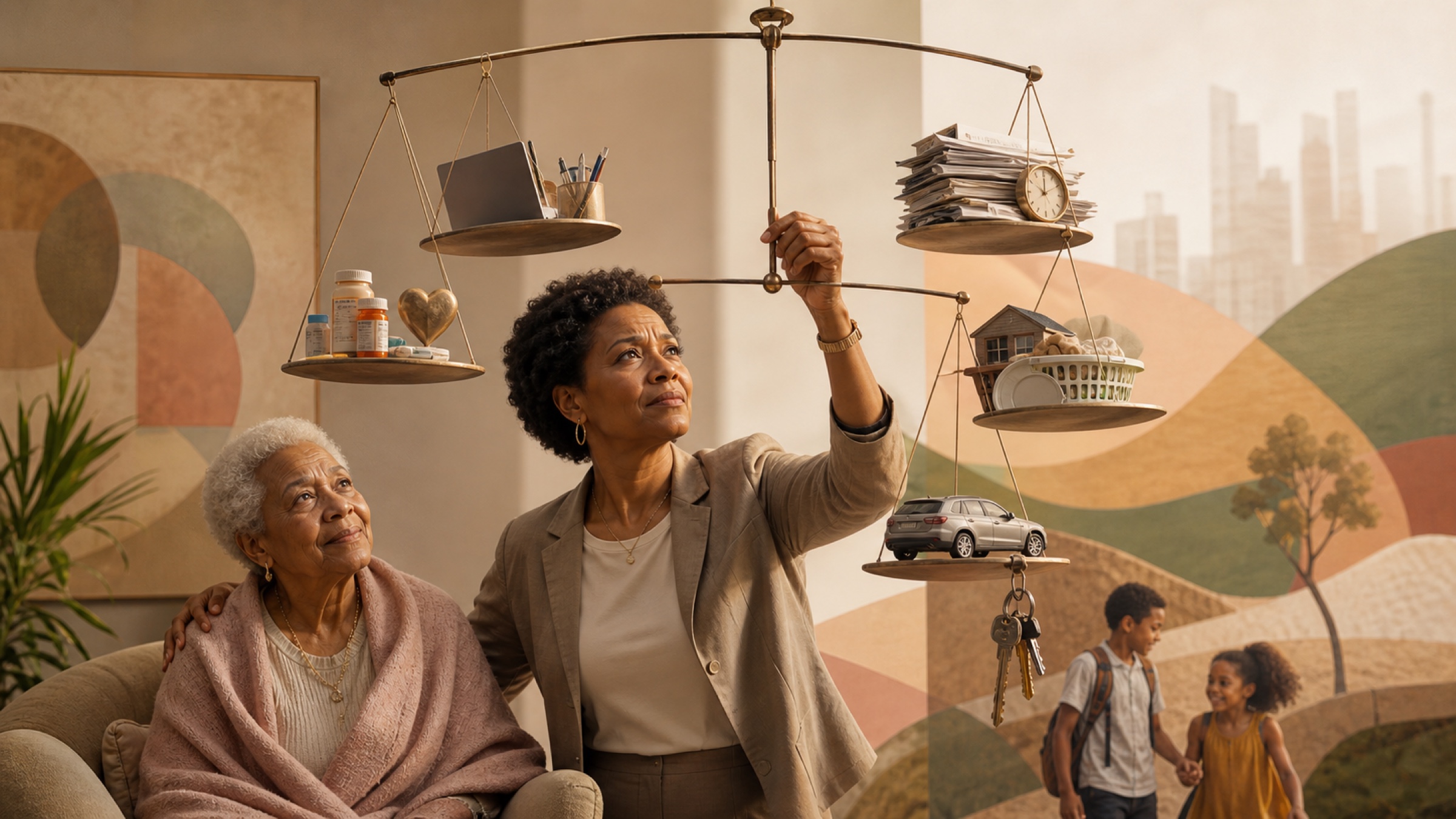
Population aging becomes real when someone has to drive a parent to an appointment at 10 a.m. on a workday.
Pew Research Center found that 10% of U.S. adults consider themselves caregivers for a parent age 65 or older. Another 3% care for an older spouse or partner. Fewer than 1% fall into both groups.
Careload Shift turns population aging into household labor.
Uneven Load
Pew surveyed 8,750 adults in September 2025, including 1,193 people caring for an older parent, spouse, or partner. The burden grows when the family member reaches 75 and rises sharply among households with fewer resources.
Among adults with an aging parent, spouse, or partner, 28% of women described themselves as caregivers, compared with 23% of men. Women caring for parents were also more likely to report harm to their personal well-being.
Lower-income adults face tighter choices. Paid help costs money. Flexible work can reduce income. A missed shift, long drive, or emergency room visit lands harder when the household has little slack.
Mixed Experience
Caregiving is not uniformly bleak. Pew found positive and negative effects living side by side. Thirty-five percent reported a positive effect on emotional well-being, while 33% reported a negative one. Social life tilted more heavily toward harm.
Love, duty, exhaustion, and meaning can occupy the same week.
The label “caregiver” also misses people who see themselves as daughters, sons, husbands, or wives doing what family requires. That can keep the burden invisible to employers and public programs.
Household Infrastructure
America’s care system depends on unpaid coordination: medicine, transportation, meals, paperwork, money, safety checks, and companionship. Longer lives increase the years in which families may carry those responsibilities.
Policies can buy breathing room through paid leave, respite services, tax support, home care, and flexible schedules. Employers can stop treating eldercare as an occasional exception.
The oldest baby boomers turn 80 in 2026. Family caregiving is moving from a private strain to a defining labor system of an aging country.