May 24, 2025
Consumer Trends: Key Insights for Innovators to Drive Success
Shifts in sustainability, technology, and buying behavior are changing what consumers expect and how innovators respond.

Overview
Consumer trend knowledge enables innovators to understand customer purchasing behavior and preferences, which directs their product development and market strategy toward meeting customer needs. Organizations that grasp market trends, particularly sustainability and technology trends, can preserve their competitive advantage through market adaptation. The successful companies Patagonia and the strategic implementation of AI in retail operations demonstrate this approach. Businesses that grasp these trends can both adjust to market transformations and achieve success in their changing environment.
Introduction
Businesses must track consumer trends because market preferences shift quickly in today's market to maintain their position and stay competitive. The trends reveal how consumer behavior evolves while showing how society values sustainability and technological advancement. Companies determine their success or failure through their ability to forecast and respond to contemporary market trends.
The strategies which companies use to extract consumer insights through data analytics and direct consumer engagement will shape both product innovation and brand loyalty of the future. The analysis examines consumer behavior importance and its key determinants and business obstacles for trend adaptation to provide companies with guidance for success in their changing market environment.
Define Consumer Trends and Their Importance
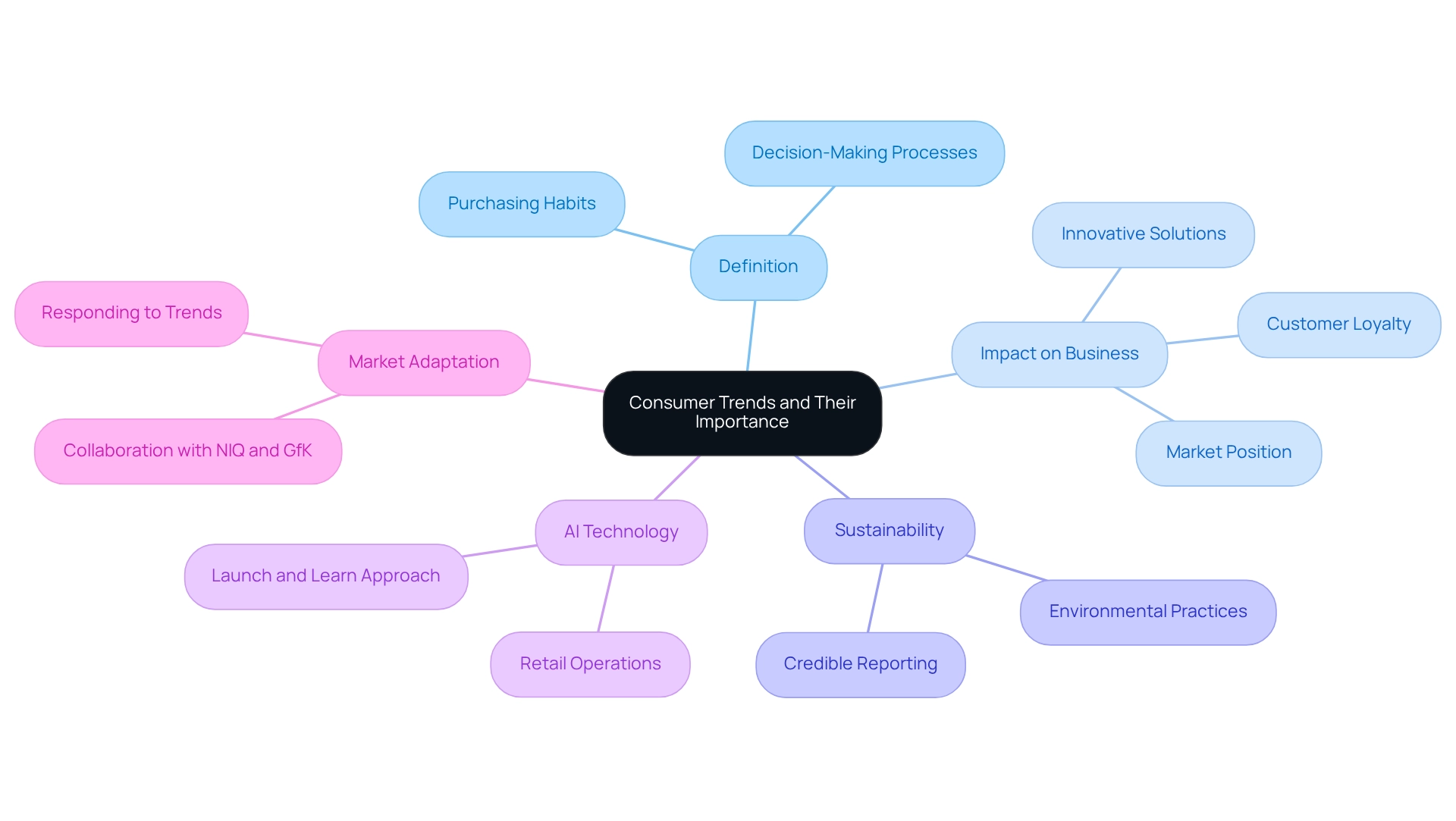
The purchasing habits known as consumer trends reveal how individuals behave together with their preferences during decision-making processes. These patterns help businesses discover vital customer trend information together with purchasing behaviors and product-user dynamics and key decision-making factors.
Innovators who understand consumer trends can deliver products which match customer requirements thus sustaining market position and competition. Companies now execute environmentally friendly practices because sustainability has taken priority which transforms their business position and secures customer loyalty.
Organizations use consumer trends to detect upcoming changes instead of letting them occur naturally. The Global Insights Survey demonstrates these findings' significance through its analysis of data from 8,975 participants across 25 countries. Companies must incorporate consumer trends into their operational frameworks to remain competitive according to research findings.
Products that demonstrate sustainable benefits through credible reporting from businesses will show lasting value to consumers which increases market appeal. Patagonia operates as a sustainable business model which attracts environmentally-minded consumers.
AI technology implementation in retail operations demonstrates the essential need for understanding both customer trends and purchase patterns. Through their 'launch and learn' approach retailers apply AI technology to optimize prices and enhance customer interactions which results in better operational performance and customer satisfaction. The approach matches customer expectations through real-time feedback which enables companies to enhance their offerings.
Companies seeking dominance and brand devotion in 2025 need to improve their capabilities for detecting and responding to market trends. A company must focus on delivering vital services effectively before targeting trends because this strategy builds the foundation for expansion.
NIQ and GfK collaboration enables businesses to stay updated on consumer trends and customer data patterns for accurate market forecasting. Amazon's market leadership reshaped traditional retail operations during the competitive e-commerce environment. Organizations must adapt their operational methods to consumer preference changes and address the challenges presented by e-commerce market leaders.
The Altos Labs case study shows how business success in fast-moving markets depends on understanding buyer trends to develop market-responsive innovative solutions.
Identify Key Drivers of Consumer Behavior
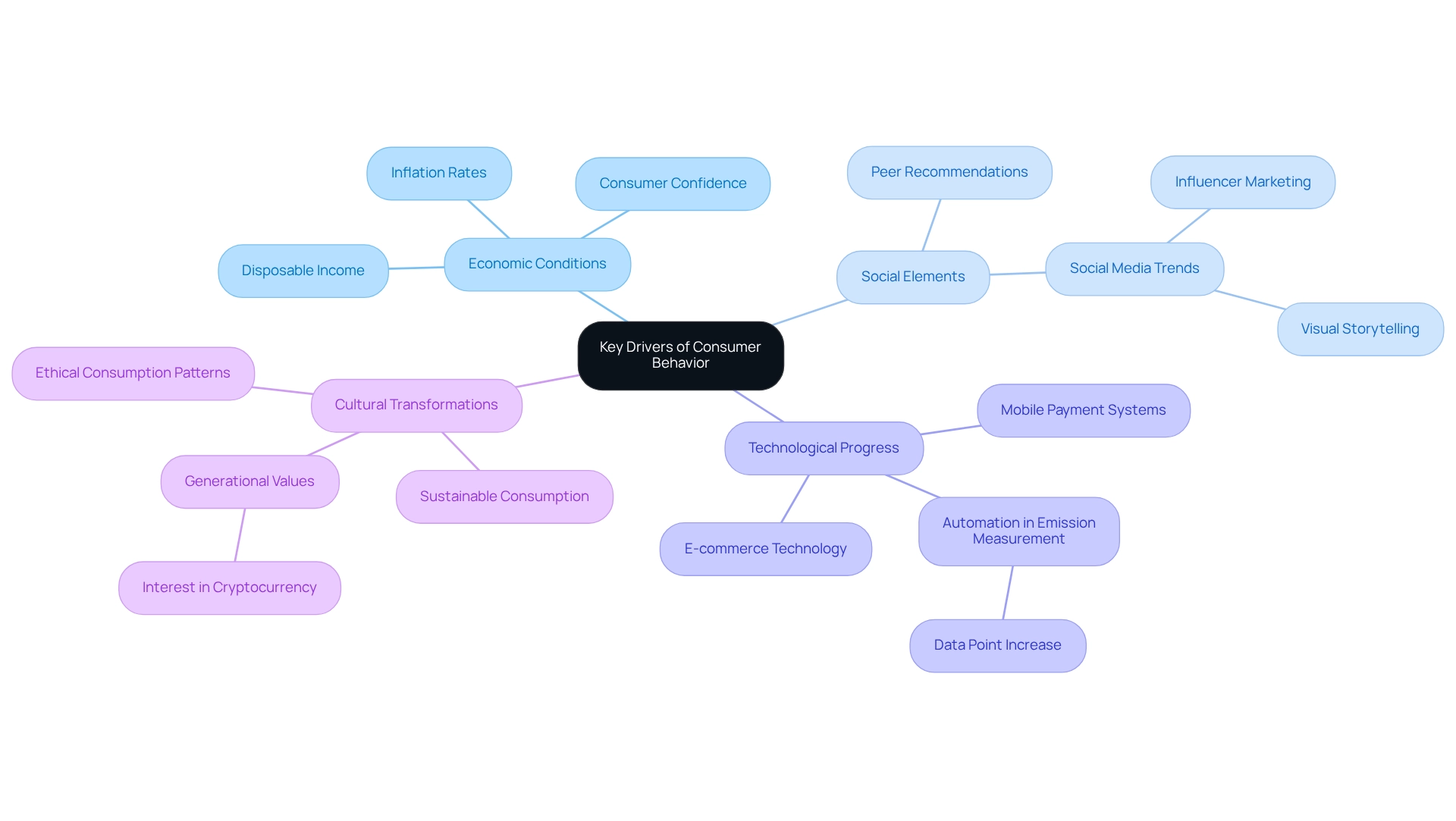
The main drivers of consumer trends for 2025 consist of economic conditions together with social elements, technological progress, and cultural transformations. Consumer purchasing power and confidence levels depend heavily on economic factors which include their disposable income and inflation rates. The increasing inflation rate leads consumers to direct their spending toward essential products instead of luxury items, which modifies their buying habits.
Social elements including peer recommendations and social media trends strongly influence how consumers perceive things and what they prefer. The rise of Instagram alongside other similar platforms has transformed visual storytelling and influencer marketing into powerful tools for brands to connect with their audiences through social media.
ESG (Environmental Social and Governance) investment stands as a critical competitive advantage according to 71% of C-suite leaders. Businesses can influence psychological and social factors that affect purchasing behavior when their brand values match customer expectations.
The development of e-commerce technology alongside mobile payment systems has reshaped modern shopping behaviors for consumers. Amazon's market dominance transformed retail operations to the extent that the current retail industry became known as the 'Retail Apocalypse'.
Automation systems for measuring emissions have generated 100 times more data points, which leads to enhanced business decision-making abilities. Sustainable and ethical consumption patterns have gained increasing popularity, which directly influences how consumers make their buying choices.
Financial companies create targeted marketing campaigns for their tech-oriented generation because research shows Gen Z and Millennials demonstrate strong interest in cryptocurrency. The purchasing behavior of younger people drives essential market changes because their personal values guide their buying decisions.
Companies that grasp these intricate elements will create successful products and marketing strategies to reach their target audience effectively for increased sales and brand loyalty.
Apply Consumer Insights to Innovate Products and Services
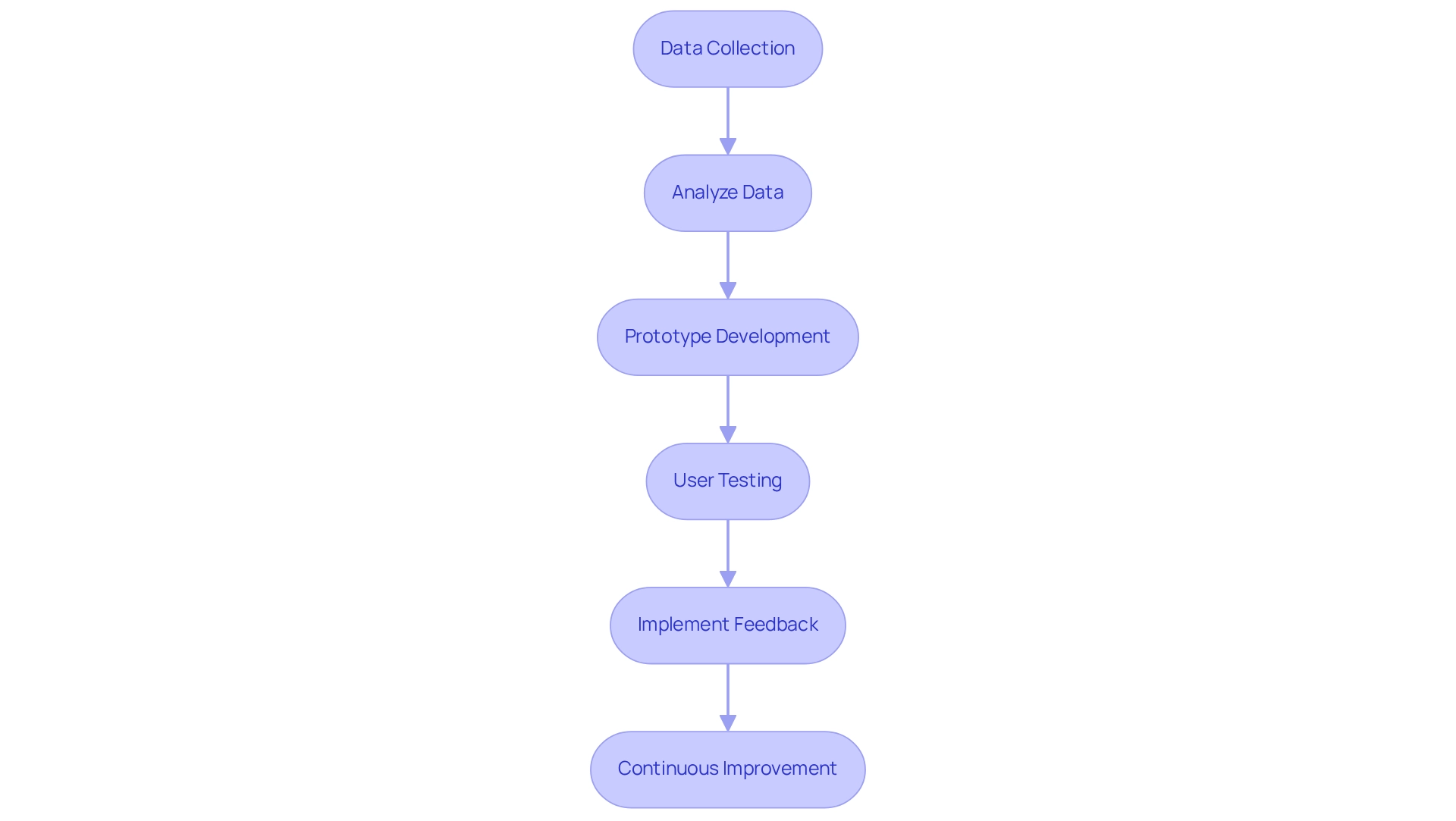
A business needs to adopt a systematic approach to achieve successful implementation of customer insights for product and service development. Market research combines multiple data collection methods which include online surveys and focus groups with advanced data analytics to identify consumer trends and challenges. The majority of research analysts (85%) use digital data collection methods as their main survey tool. Digital data collection methods both reduce operational time and increase the amount of available information.
- Analyze Data: The collected data requires complete analysis to reveal new market trends and developments. The market research field demonstrates increasing trust in AI tools because 73% of researchers show strong confidence in their use. The implementation of advanced data visualization tools leads to a 75% improvement in departmental data understanding which demonstrates the importance of effective data presentation for customer insight comprehension. The analytical stage plays a crucial role because it transforms unprocessed data into valuable business information.
- The development process should implement insights as a guide for prototype development while target users should test these prototypes to gather essential feedback. The tech firm learned users preferred simplicity so they transformed their product to focus on user-friendliness. The testing process repeated twice fulfills two essential functions because it drives creative thinking while improving readiness which results in successful innovation. The implementation of feedback enables businesses to improve their products and services until they fulfill consumer expectations.
- The continuous improvement process enables businesses to maintain agility when consumer trends evolve. Businesses need to understand the different types of innovation including incremental and sustaining and disruptive because this knowledge helps them overcome obstacles while building an ongoing improvement culture. The business needs to implement AI predictive analytics patterns and sustainable research practices because they represent fundamental elements for maintaining market competitiveness in the evolving market.
Overcome Challenges in Adapting to Consumer Trends
Organizations encounter major barriers during buyer trends adaptation because they need to handle employee opposition along with minimal resources and fast market transformations. The following strategic approaches enable organizations to conquer their market adaptation challenges:
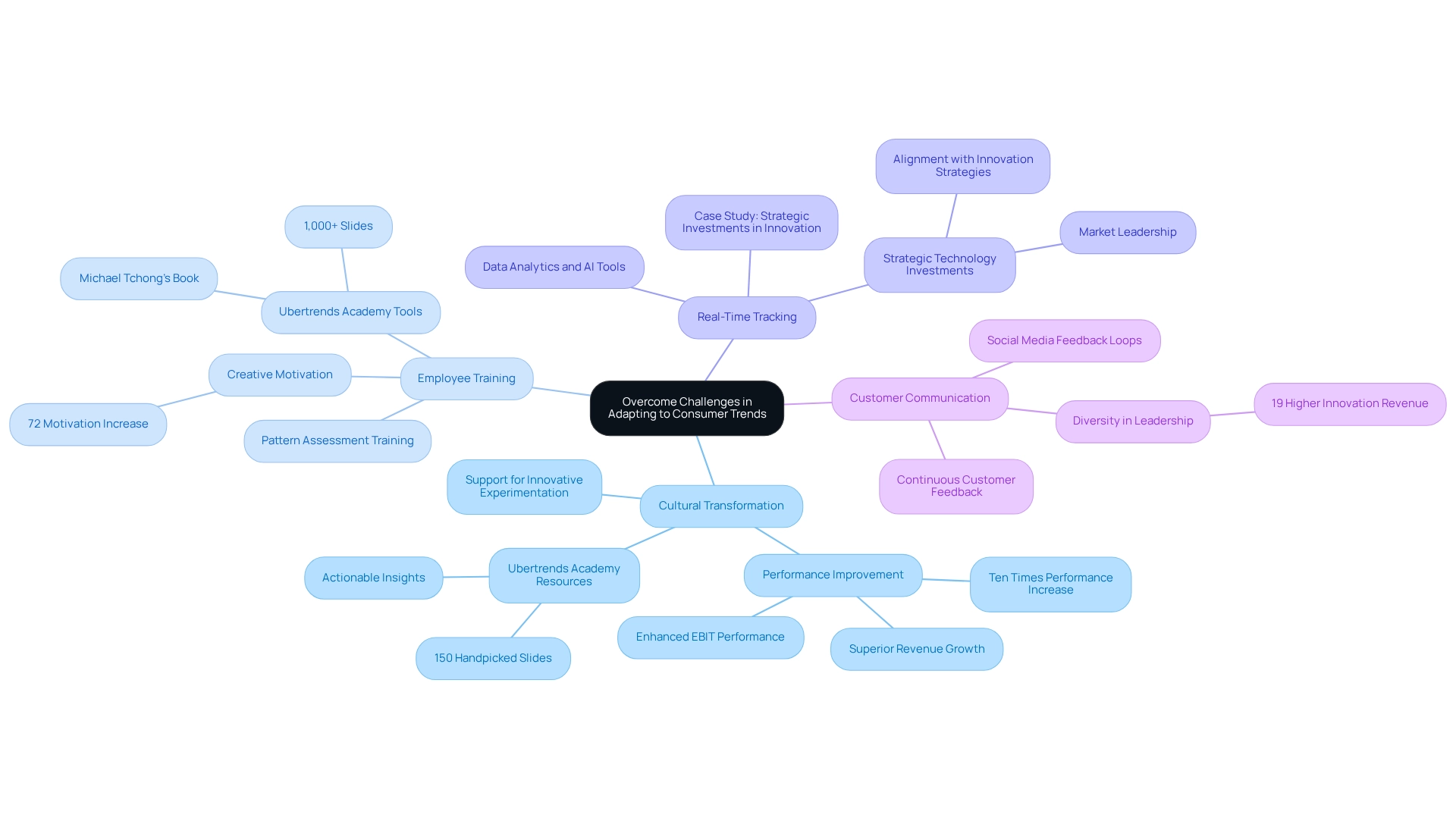
- The development of a workplace culture that supports innovative experimentation leads to success. Companies that focus on innovation generate ten times the performance of regular businesses through their ability to achieve superior revenue growth together with enhanced EBIT performance. Organizations need cultural transformation because it enables them to handle shifting customer preferences during market competition. The enrollment in Ubertrends Academy gives you essential structures and mindset to drive change through its 150 handpicked slides which convert patterns into actionable insights.
- Organizations need to train their employees for pattern assessment before implementing changes. Research findings from 2022 show that employee creative motivation rises to 72% when organizations display appreciation for creative work. Organizations that deliver training programs to their staff members will develop superior capabilities to innovate through market variations. The exclusive tools and resources at Ubertrends Academy will help your team prepare for upcoming challenges by enhancing their trend analysis and innovation skills. Full program participants get access to 1,000+ slides together with a personally autographed copy of Michael Tchong’s book “Ubertrends — How Trends And Innovation Are Transforming Our Future.”
- Real-time buyer behavior tracking through data analytics and AI tools enables organizations to respond quickly to market changes. Organizations that strategically invest in technology based on their innovation strategies will generate superior outcomes when dealing with economic uncertainties. The case study "Strategic Investments in Innovation" shows how companies become market leaders through uniting their technology and innovation approaches.
- Businesses need continuous customer communication to understand their shifting needs and preferences. Retail brands that use social media feedback loops can quickly modify their strategies through customer sentiment collection. Leadership teams with superior diversity levels achieve 19% higher innovation revenue because diverse perspectives both stimulate innovation and enhance market adaptation.
The combination of these strategies with Ubertrends Academy resources enables organizations to tackle consumer trend adaptation challenges while establishing lasting success.
Conclusion
Consumer trends serve as directional guides which enable businesses to maintain market relevance and achieve competitive advantage in an evolving market environment. Businesses that understand consumer behavior fundamentals, which include economic factors, social influences, technological advancements, and cultural shifts, will create strategies to meet contemporary consumer needs. The increasing interest in sustainability drives product development and brand commitment because businesses need to match their corporate values with what their customers believe in.
Companies need to conduct extensive market research and analyze data carefully through ongoing product development to effectively use consumer insights. The systematic approach enables both creative development and product offerings that match consumer needs. Brands which succeed demonstrate that flexibility alongside innovation represents the fundamental tool for managing fast market changes and fierce market competition.
Organizations that build an innovative culture through employee training, technological adoption, and consumer engagement will handle consumer trend adaptation challenges better. These strategies enable businesses to survive and thrive in markets which depend on consumer behavior knowledge for sustainable growth and customer loyalty. Organizations must take immediate action to adapt because their industry direction will be determined by those who lead decisively.