June 10, 2025
10 Sushi Trends Shaping the Future of Dining in 2025
The following analysis explores the main sushi trends which will shape dining in 2025 through sustainable and innovative methods.
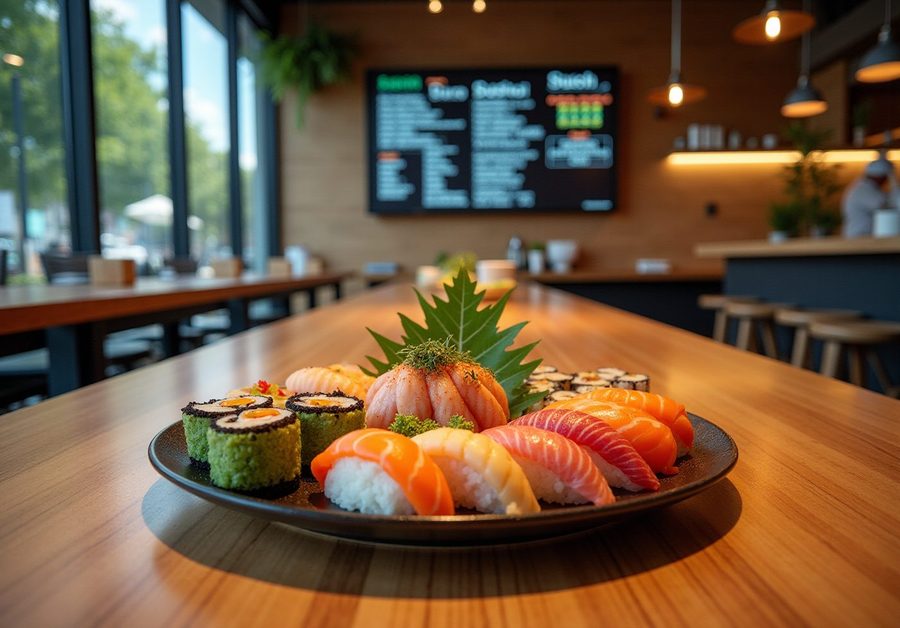
Overview
The future of dining in 2025 will be defined by three main sushi trends which combine sustainability with health-conscious choices and technological advancements in dining experiences.
The current consumer market shows a preference for sustainable sourcing and plant-based alternatives because people want to protect the environment.
The market demand response indicates a fundamental change in consumer behavior toward sustainable dining choices which shows their understanding of environmental effects.
The implementation of robotic servers in sushi restaurants shows how technology integration improves both operational efficiency and customer interaction in traditional dining settings.
The trends allow consumers to choose dining options based on their values which results in better dining experiences while supporting sustainability.
Introduction
The worldwide rise of sushi popularity drives substantial changes to this traditional food culture. The sushi market will unite traditional practices with contemporary trends during 2025 because consumers now value sustainability and health alongside technological progress. The industry demands:
- More plant-based sushi options
- All-you-can-eat dining models
- Robotic service integration
- Global flavor incorporation
The sushi market undergoes an unmatched fast transformation which demands industry stakeholders to grasp these shifting market patterns. The article analyzes upcoming trends that will shape sushi's future by demonstrating how restaurants adapt their services to meet environmentally conscious health-oriented customers while providing sophisticated dining experiences.
Ubertrends: Insights on Sushi Consumption Trends for 2025
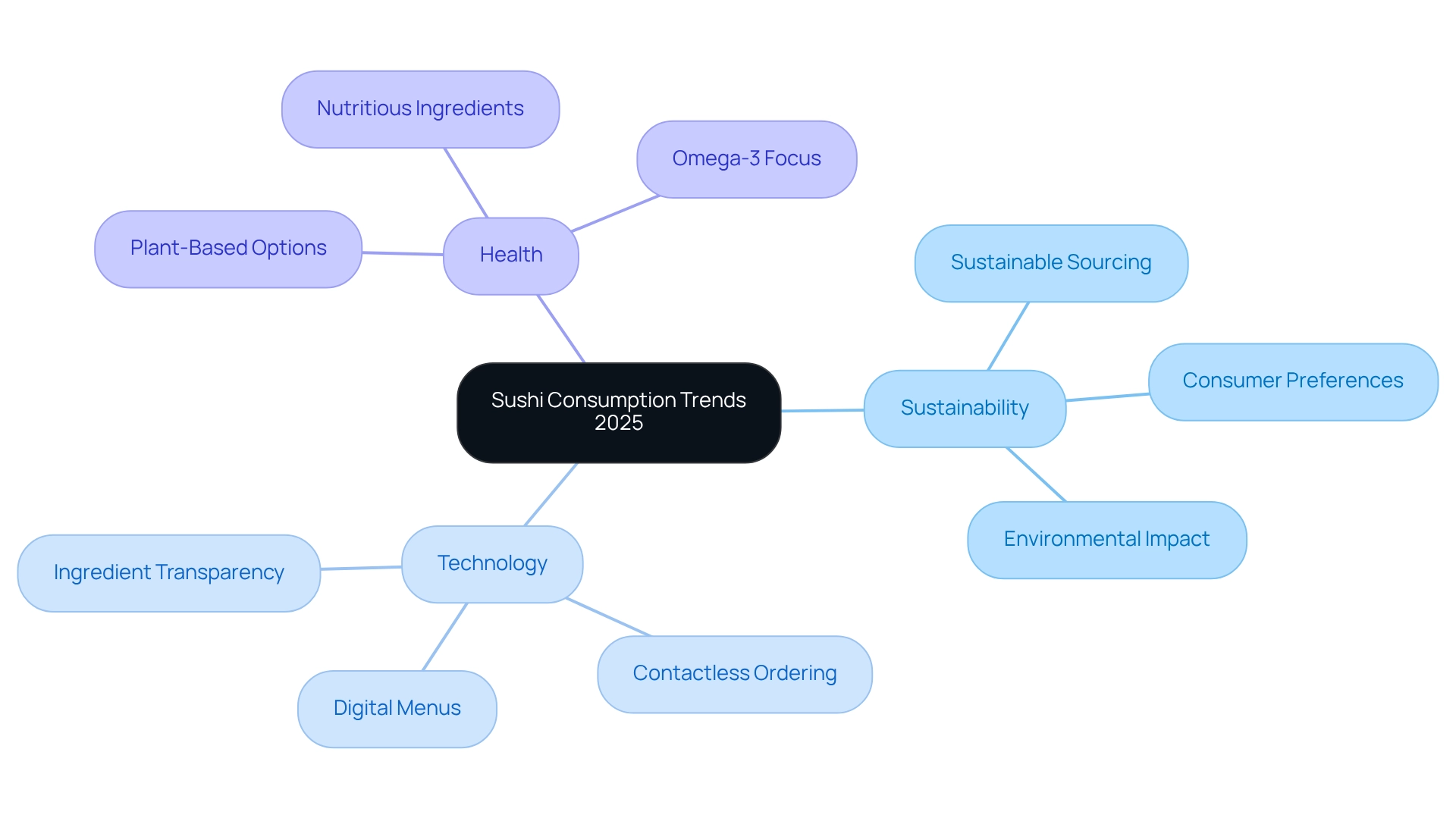
The Japanese dish consumption for 2025 will display sushi trends that unite traditional preparation methods with contemporary technological progress. Restaurants that adopt sustainable fish sourcing practices will lead the sushi market because research indicates that sustainable fish has become a priority for most sushi consumers. The shift in eating habits indicates a worldwide environmental shift because people now take ownership of their food effects on Earth. Customers who select this option can enjoy their meals while backing sustainable practices that align with their individual beliefs.
The market shows growing interest in plant-based options because health-oriented consumers seek food choices that match their dietary requirements. Restaurants now use digital menu systems together with contactless ordering technology to deliver improved convenience and safety features to their customers. The technological advancement delivers enhanced dining experiences while enabling customers to access detailed ingredient information and nutritional data for better food choices.
The industry responds to consumer needs by creating new menu items which display nutritious ingredients because people select food with fresh high-quality ingredients. The market offers meals that combine high omega-3 fatty acid content with low calorie count to meet the needs of health-focused consumers. Phil Harding correctly states that environmental sustainability serves as a fundamental requirement to achieve both economic stability and social cohesion.
The seafood market in 2025 operates through sustainable practices which drive health advancements and technological progress to create diverse sushi trends in the culinary world. The seafood industry demonstrates sustainable sourcing achievements through case studies which prove that businesses must develop strategic solutions to respond to shifting consumer preferences.
Kura Sushi USA: Innovations in Sushi Dining and Culinary Trends
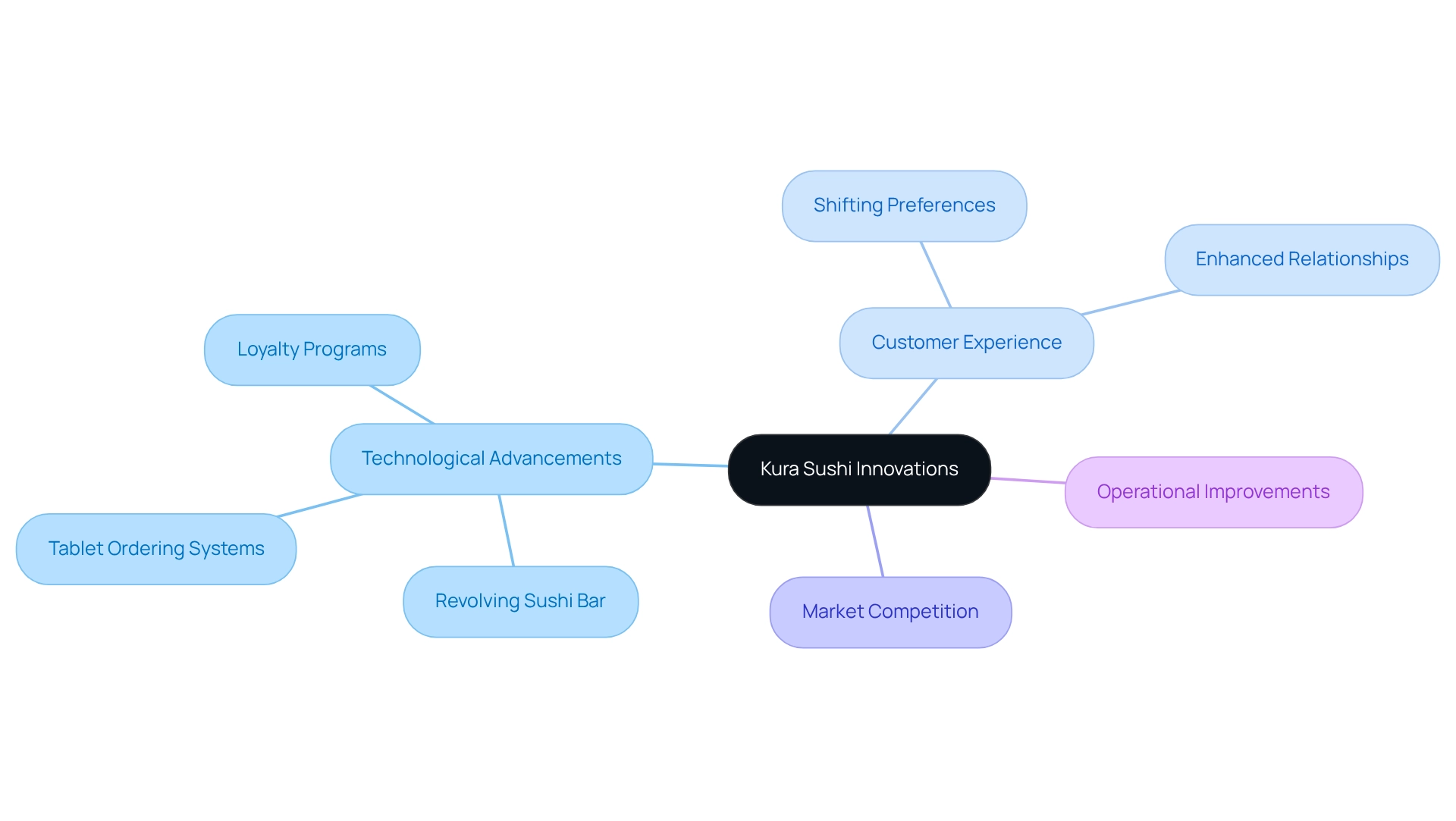
Kura Sushi USA drives Japanese culinary progress through technological advancements that enhance dining experiences in the evolving market which new sushi trends have shaped. The revolving sushi bar at Kura Sushi functions as disruptive innovation because it enables customers to select dishes while they navigate through the dining area thus transforming conventional dining practices. The company faces challenges in market competition against traditional restaurants as it adjusts to shifting customer preferences. The company demonstrates its adaptation to sushi trends through operational improvements and enhanced customer relationships by implementing tablet ordering systems and loyalty programs. The company's advancements show how market demand for convenience intersects with broader food industry challenges while establishing fundamental requirements for authentic innovation strategies to tackle sustainability and market competition worldwide.
Impact Food: Pioneering Sustainable Seafood Alternatives in Sushi
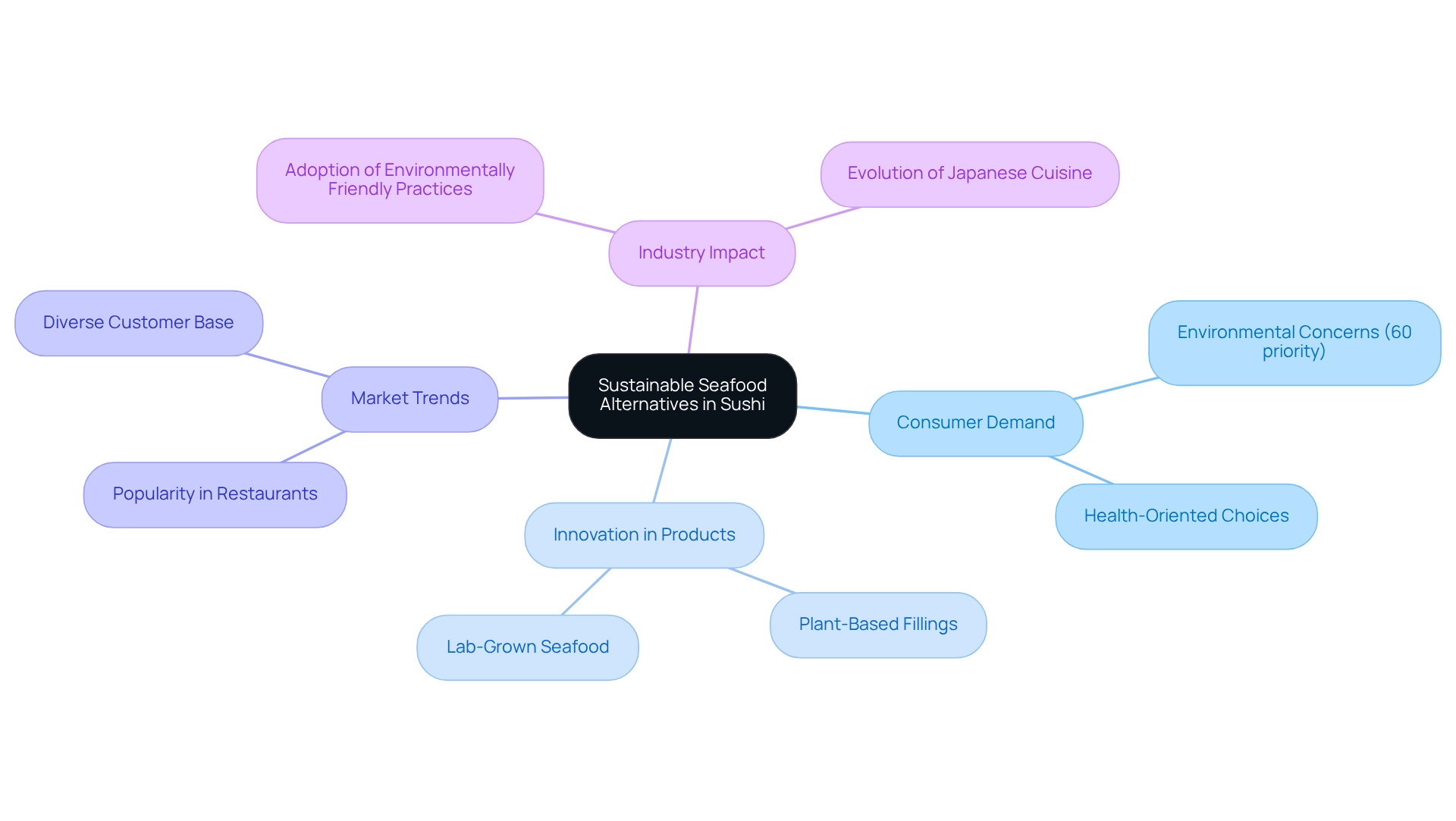
Impact Food takes the lead in sustainable seafood alternative development because they respond to the growing consumer demand for environmentally conscious dining choices. The company develops innovative products through plant-based fillings and lab-grown seafood which minimize the environmental impact of traditional fishing operations. The company caters to health-oriented consumers while advancing sustainable seafood development which aligns with contemporary social values.
The market demonstrates strong potential for sustainable seafood alternatives because consumers now prioritize environmentally friendly eating choices. The PwC Voice of the Consumer Survey reveals sustainability stands as a primary consideration for more than 60% of consumers when selecting dining options.
Impact Food shows its commitment to innovation through plant-based seafood products which replicate seafood tastes using plant ingredients. Sustainable seafood alternatives in sushi trends gain increasing popularity which enables restaurants to welcome diverse customers who want environmentally friendly dining options.
Industry experts recognize sustainable seafood alternatives as essential because they help the seafood industry adopt environmentally friendly practices. Impact Food drives the evolution of future Japanese cuisine and sushi trends through its ability to fulfill consumer needs while protecting the environment and combating global warming effects.
All-You-Can-Eat Sushi: A Growing Trend in Dining Experiences
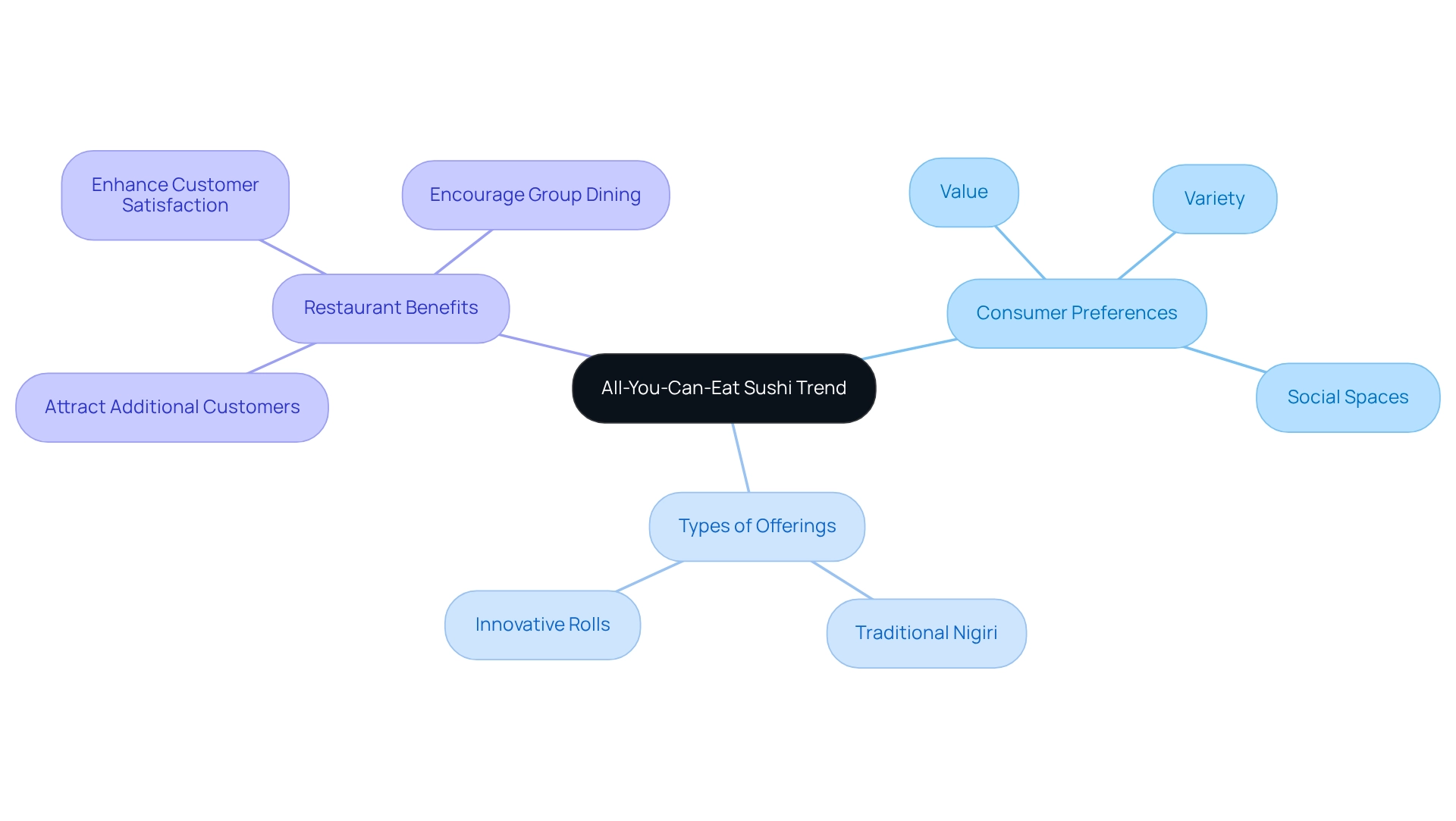
The all-you-can-eat (AYCE) seafood model demonstrates significant expansion in 2025 because urban consumers seek dining experiences that combine value with variety. Restaurants that offer AYCE options now provide their customers with multiple seafood choices because sushi trends include traditional nigiri and innovative rolls. The trend satisfies two consumer requirements by offering various seafood choices and creating social dining spaces that welcome groups and families.
Restaurants that implement this model will attract additional customers while enhancing customer satisfaction and developing an atmosphere that encourages group dining. The AYCE seafood model functions as an appealing dining solution for restaurants and customers because it caters to the increasing demand for unique culinary experiences.
Tastewise: Data-Driven Insights into Sushi Trends and Consumer Preferences
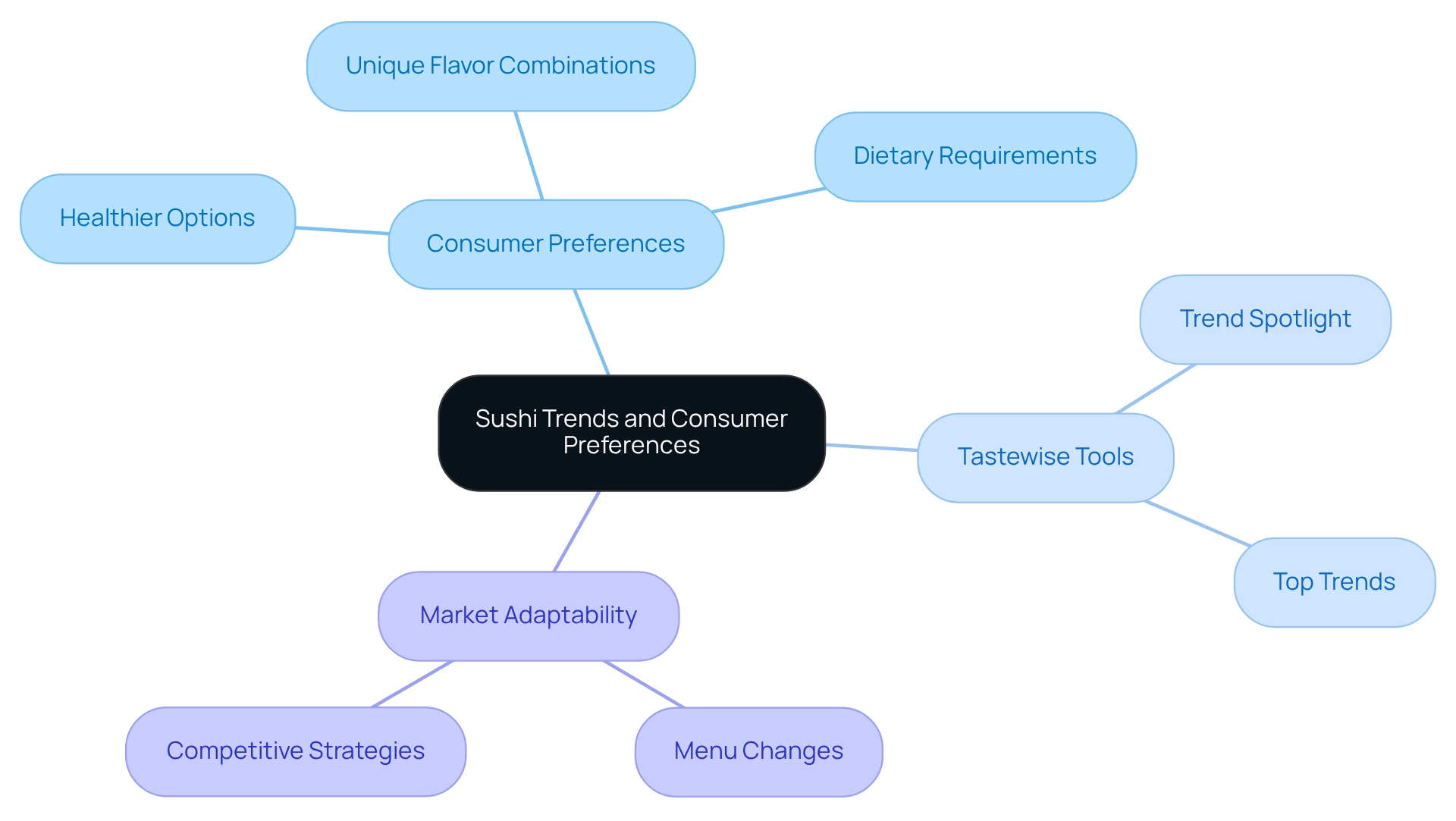
The Tastewise analytics platform delivers essential seafood trend analysis through data-driven insights which show how consumers select healthier seafood options from various types. Consumer preferences now focus on unique flavor combinations while they choose food products that fulfill dietary requirements such as gluten-free and vegan options.
Tastewise provides sushi restaurants with Trend Spotlight and Top Trends features that help them track industry developments so they can update their menus based on current sushi trends. Raw fish nigiri remains popular because customers prefer eating fish on vinegared rice but they now want healthier alternatives of this dish.
According to Senior Marketing Specialist Dirk Vogel, the AI tool on Tastewise has brought substantial improvements to our pattern recognition speed and efficiency. Japanese restaurants use these tools to develop menu changes that follow sushi trends which fulfill customer needs and maintain market competitiveness.
The market requires adaptability because consumer preferences are moving toward healthier options which demonstrate significant growth potential for 2025. Potential clients can test Tastewise features including trend monitoring and prediction during their 14-day trial to enhance their marketing strategies and strategic planning without making any long-term commitment.
Vegan Sushi: The Rise of Plant-Based Options in Sushi Menus
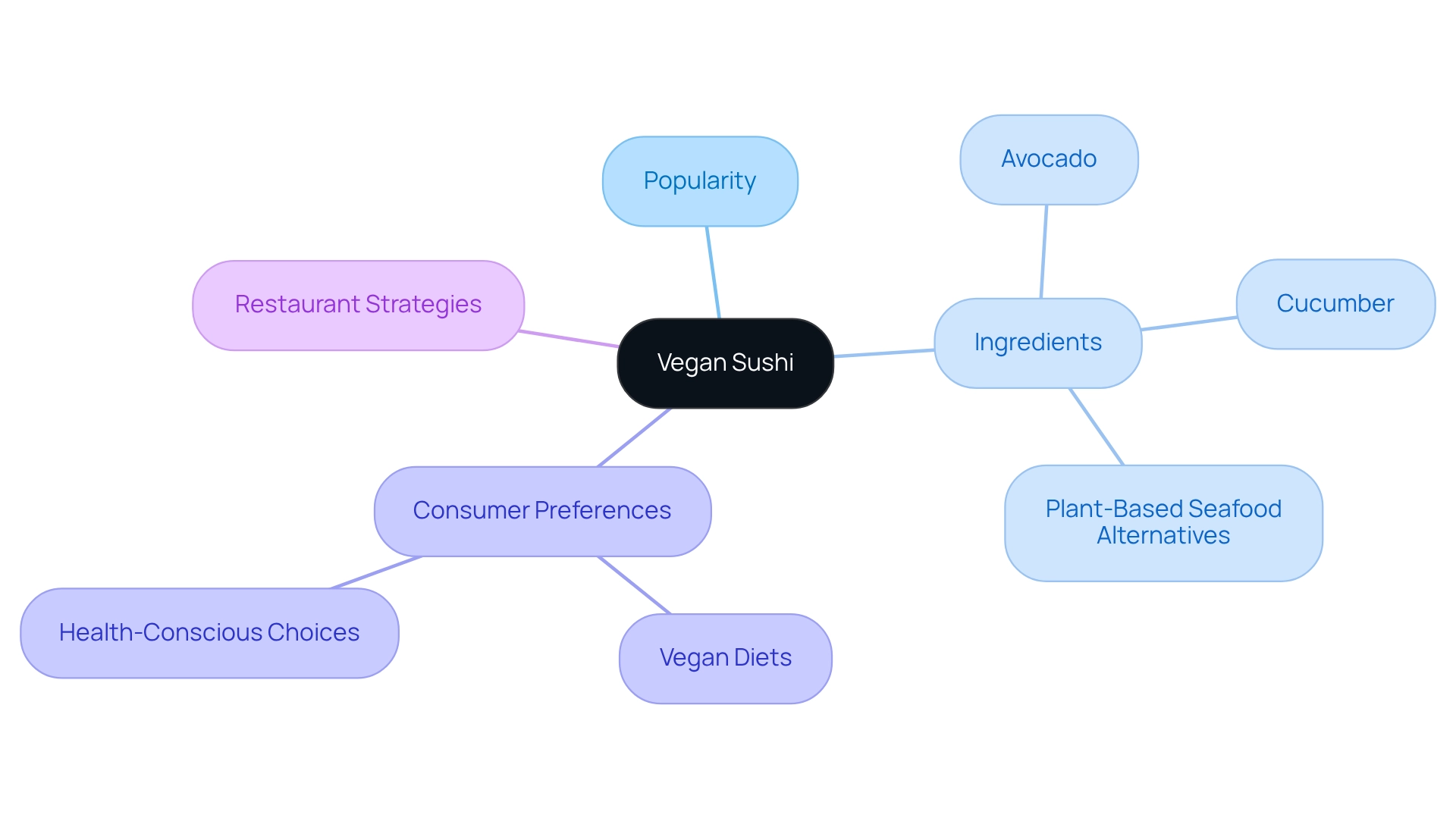
Restaurants continue to increase their vegan roll popularity because they now include plant-based sushi options in their current sushi trends. The combination of avocado and cucumber with creative plant-based seafood alternatives has established these rolls as popular choices. The increasing number of people who follow vegan and vegetarian diets along with health-conscious consumers who follow current sushi trends select these rolls because they offer nutritious and lighter dining options. Japanese restaurants that follow sushi trends will attract more diverse customers because they adapt to changing consumer tastes.
Robot Waiters: Technology Transforming the Sushi Dining Experience
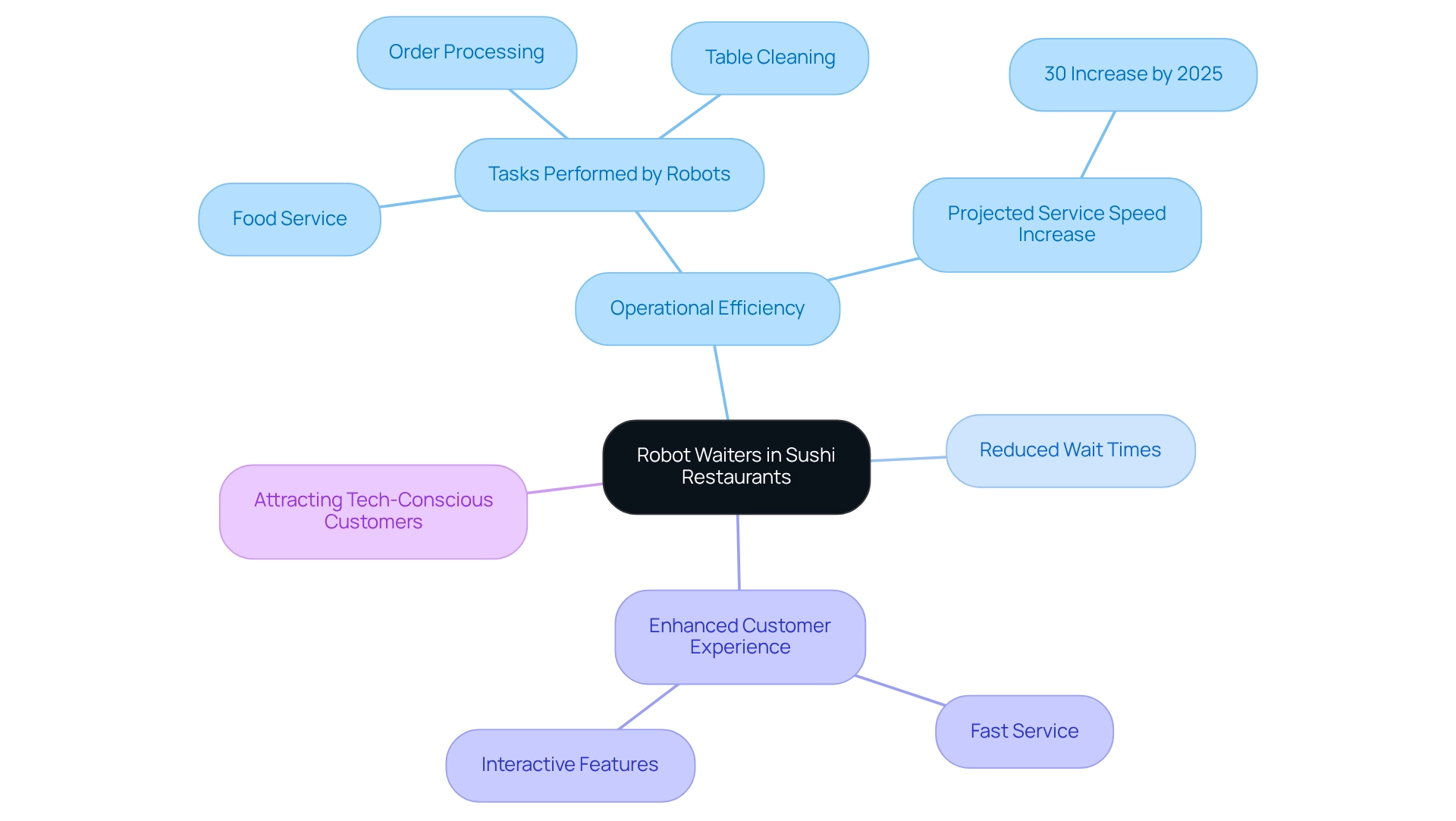
Japanese restaurants have adopted robotic servers to enhance dining experiences through improved operational efficiency and reduced wait times. The advanced robots execute food service duties, order processing, and table cleaning tasks, which enables human staff to focus on delivering individualized customer service. The advancement of technology will lead more sushi restaurants to implement robotic solutions because they appeal to tech-conscious customers and enhance operational efficiency.
Restaurant owners and their customers will find robot waiters attractive because they project a 30% increase in service speed according to 2025 projections. Experts agree that adopting this technology results in better operational efficiency and delivers an enhanced dining experience through fast service and interactive features. The food industry shows a wider transformation because sushi trends serve as essential factors for both customer satisfaction improvement and operational effectiveness enhancement.
Fusion Sushi: Embracing Global Flavors in Traditional Sushi
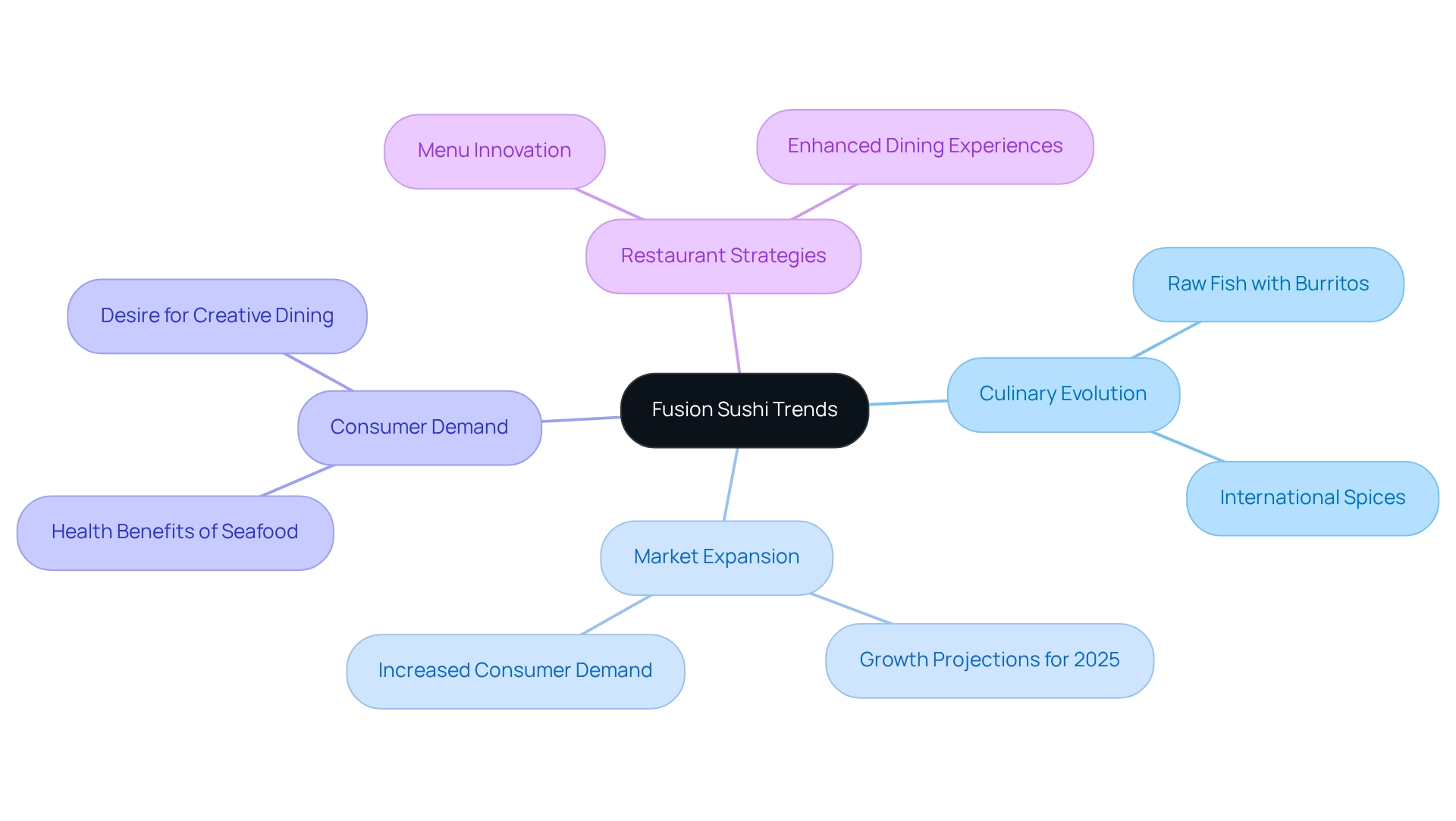
Sushi trends indicate that fusion cuisine gains popularity because chefs now merge worldwide flavors into traditional rolls. The culinary evolution consists of two primary developments which unite raw fish with burritos and tacos and traditional rolls with international spices. The popularity of these dishes grows because customers seek new dining experiences which move beyond established culinary traditions.
Fusion cuisine will experience significant market expansion throughout 2025 because sushi trends meet increasing consumer demand for creative dining choices. Restaurants that embrace sushi trends draw more customers through their improved menu selection which leads them to become leaders in modern dining establishments.
The growing consumer demand for seafood health benefits together with Japanese cooking's natural ingredient focus creates an opportunity for raw fish restaurants to serve expanding customers seeking healthier food options according to Debadatta Patel. The evolving consumer preferences force seafood industry operators to maintain constant innovation because they need to establish competitive advantages that fulfill contemporary consumer expectations.
Major Japanese dining companies including Benihana Inc. and Genki Sushi update their menus with fusion options that follow current sushi trends to support this culinary movement. The sushi trend marks a lasting transformation in how people view Japanese dishes which will bring exciting times ahead for culinary arts. Sushi businesses must incorporate foreign flavors into their menus and develop dining spaces that attract contemporary consumers for success.
Health-Conscious Sushi: Emphasizing Nutrition and Wellness
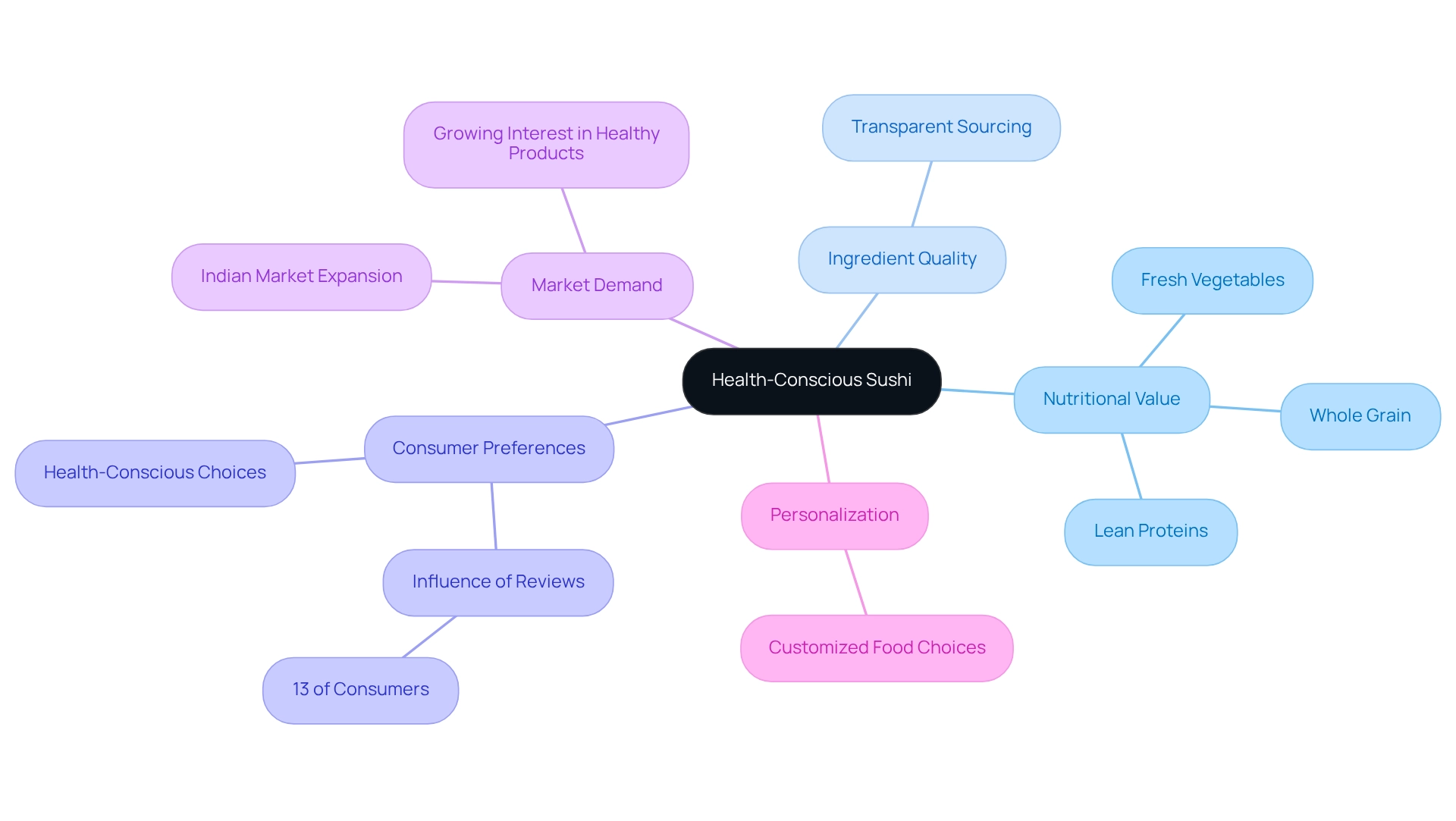
Japanese cuisine restaurants direct their attention to nutritional value and ingredient quality because health-conscious consumers select their meals according to current sushi trends. The market shows increasing demand for whole grain and fresh vegetable and lean protein dishes because health-conscious consumers want nutritious meals in 2025. The need for transparent sourcing practices becomes clear because 13% of buyers select health and wellness products based on reviews. Japanese restaurants now show their food origins to customers so people can select their dining options wisely. The nutritional value of these dishes improves while their appeal grows to health-conscious consumers who align with the current sushi trends that emphasize wellness and educated food choices. The Indian health and wellness food market expansion demonstrates a global pattern toward nutritious eating alternatives because Indian consumers have more disposable income and show growing interest in healthy products. The Marketing Director at Philips Healthcare explains that personalization and clear food selection choices are vital for meeting customer expectations which demonstrates the importance of these patterns in Japanese cuisine.
Ingredient Evolution: Adapting Sushi to Modern Consumer Tastes
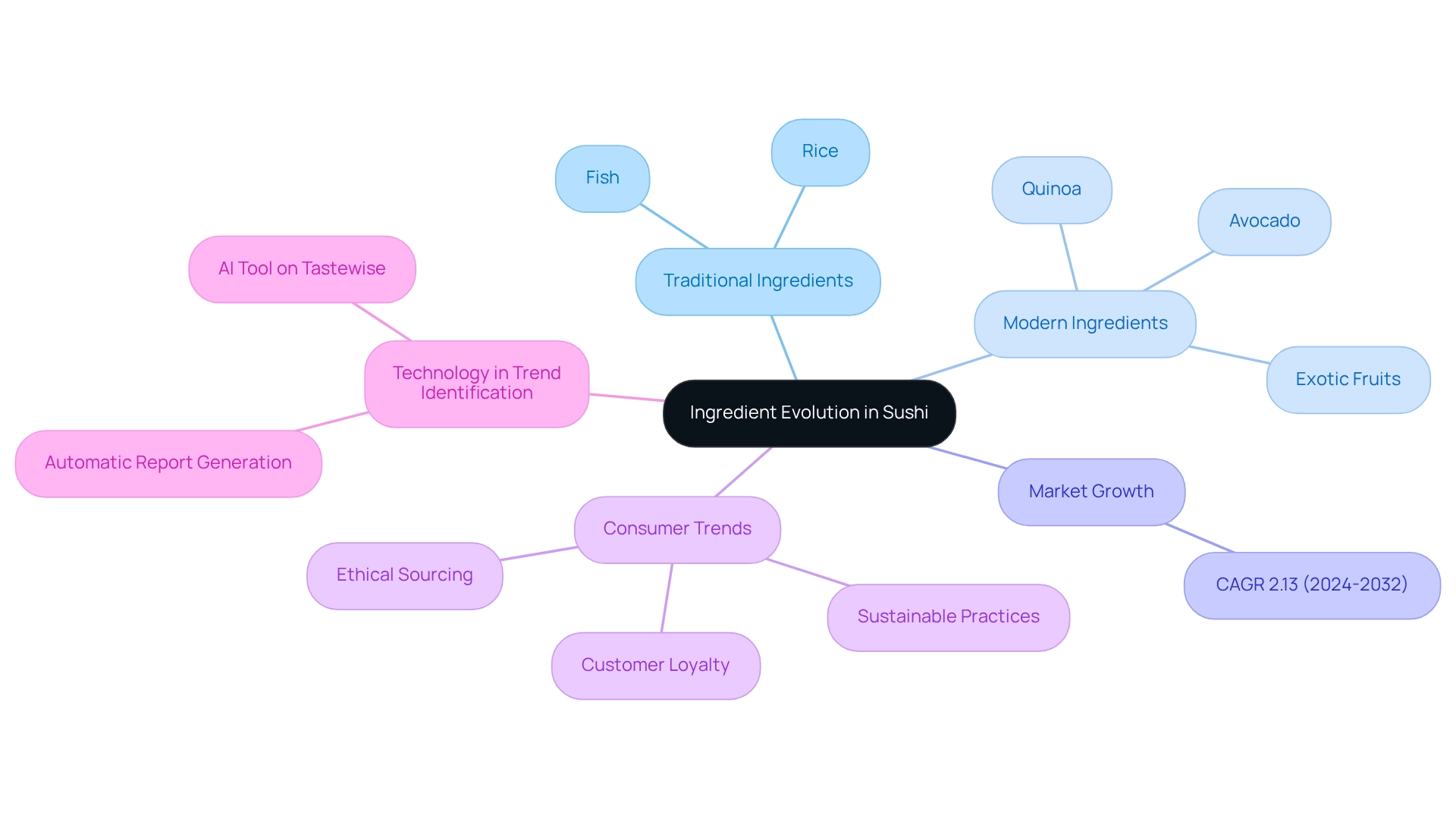
Restaurant professionals who prepare rolled rice dishes select ingredients that match current sushi market requirements by emphasizing fresh ingredients with high quality and diverse selection. Traditional fish and rice components form the basis of restaurants which now incorporate fresh modern sushi trends that include quinoa and avocado and exotic fruits. The evolving food industry demonstrates how sushi trends drive consumers toward sustainable healthy choices while accommodating various tastes. Restaurants achieve market distinction through innovative ingredients that follow present sushi trends to succeed in competitive markets.
The seafood market expansion depends on rising disposable income and urban development which makes unique ingredient adoption essential for meeting modern sushi trends. The North American sushi restaurant market will experience a compound annual growth rate (CAGR) of 2.13% from 2024 to 2032 which indicates significant market growth potential. Restaurants adjust their menu offerings because customers increasingly seek sustainable food practices and ethical sourcing methods.
Restaurants enhance their menu appeal through these methods which lead to customer loyalty because they align with modern values. Restaurants that introduce new ingredients to their menus achieve better customer satisfaction while engaging their customers more effectively. Senior Marketing Specialist Dirk Vogel states that the AI tool on Tastewise enables us to speed up trend identification and boost operational efficiency. The automatic report generation feature at Tastewise provides us with great satisfaction because we can access ingredient information. The tool will receive increased usage from our company because we have implemented it into our operational framework.
Sushi restaurants that embrace innovative ingredients to match changing consumer tastes will become market leaders in the 2025 food environment which unites sushi trends with health-conscious sustainable dining practices.
Conclusion
The sushi industry stands at the brink of transformation because customers seek sustainable products and healthier dining choices and innovative culinary experiences. The article demonstrates that sustainable sourcing and plant-based options will dominate sushi consumption during 2025 because consumers are selecting eco-friendly dining options more frequently. The market demands operational changes from restaurants because their customer base exceeds 60% of the total market. Restaurants need to implement sustainable seafood alternatives together with health-focused ingredients as fundamental elements to achieve market success in the new competitive landscape.
Modern technological advancements transform the way people experience sushi. Restaurants can increase operational efficiency through robotic service and digital ordering systems that simultaneously meet the convenience needs of modern customers. The trend enhances service speed and allows restaurants to stay competitive in the rapidly changing market environment. The growing consumer interest in all-you-can-eat models and fusion sushi demonstrates an increasing demand for diverse dining options that provide unique culinary experiences.
Restaurants that implement these trends will develop creative menus while developing stronger customer relationships. The sushi industry serves health-conscious consumers while maintaining customer loyalty by emphasizing high-quality ingredients and transparent sourcing practices and international flavor introductions. The traditional sushi practices have evolved into a platform that meets the requirements of present-day mindful consumers. Sushi establishments need to implement these changes to achieve success in their competitive market.