June 13, 2025
10 Lifestyle-Trends Shaping Our Future in 2025
The following list presents the leading lifestyle trends which will define our future in 2025 starting with sustainability and ending with digital detox.
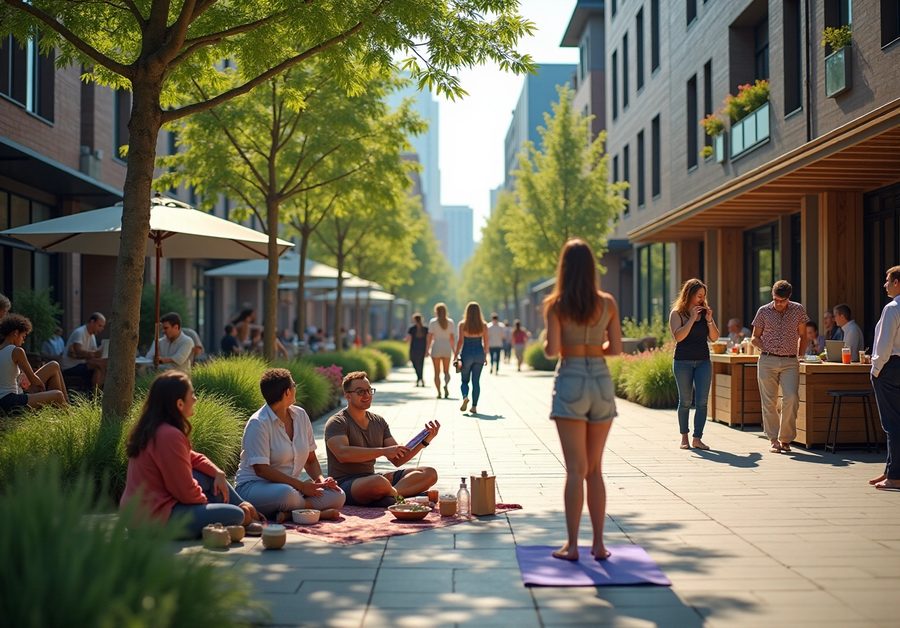
Overview
The research examines upcoming lifestyle trends for 2025 which emphasize:
- Sustainable living
- Mental health
- Remote work
- Social media effects
The emerging trends show a basic cultural shift which directs people toward responsible and meaningful ways of living. The evidence shows that consumers seek environmentally friendly products while mental wellness resources become more popular. Flexible work arrangements spread, and social media influences how people select their lifestyles.
The evolving world shows a broad cultural movement toward values which combine personal wellness with environmental protection so readers can align their personal and professional activities with emerging societal standards. Knowledge of these trends enables both individuals and organizations to create strategies that will build a sustainable and fulfilling future.
Introduction
Modern people make different lifestyle choices because multiple emerging trends arise from cultural values and technological progress. The upcoming 2025 period gives businesses and individuals an opportunity to align their strategies with shifting consumer preferences.
What are these trends?
- Sustainable living practices
- Minimalism
Why are they occurring?
People now make changes because they understand environmental problems better while seeking authentic life experiences.
What can we learn from this?
These trends enable us to transform both personal decisions and the core framework of our communities. The upcoming years will reshape our social interactions and daily routines through emerging trends.
Ubertrends: Pioneering Trend Intelligence for Lifestyle Insights
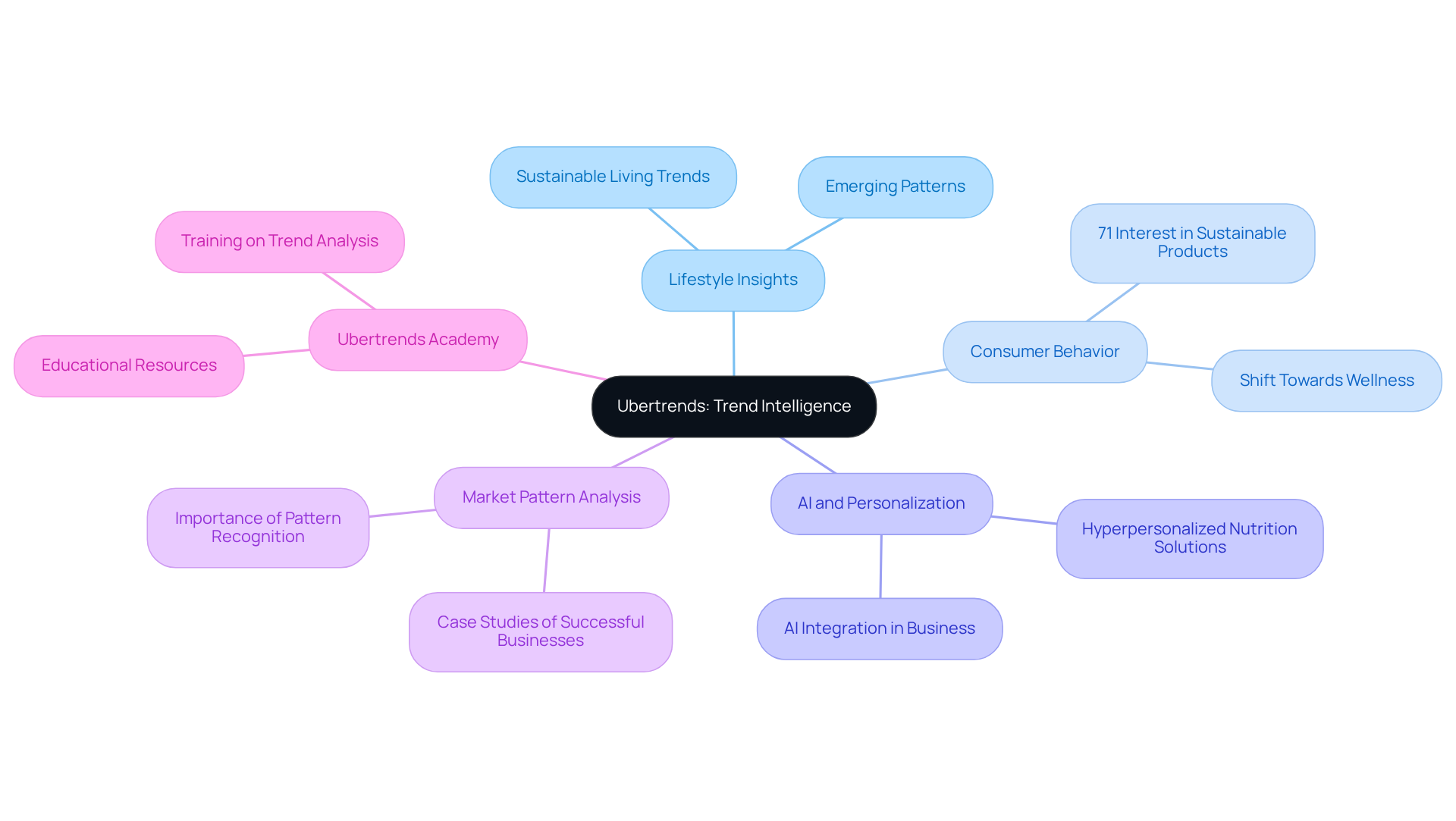
Under the leadership of Michael Tchong, the company Ubertrends delivers vital lifestyle-trend information through its insight intelligence platform. Through extensive social change analysis, the company helps organizations and individuals successfully adapt to present-day developments. The Ubertrends Academy delivers educational materials which teach clients how to identify emerging patterns for strategic advantages through essential tools. The fundamental knowledge serves as a base for our upcoming analysis of the particular living trends which will determine our future in 2025.
Research shows that 71% of consumers plan to invest more money in sustainable wellness products made with ethical production standards, which indicates a significant movement toward sustainable lifestyle trends. The integration of AI with data analytics technology has resulted in the creation of hyperpersonalized nutrition solutions that now reshape individual health practices.
According to expert opinions, the present business environment requires pattern analysis. Tchong states that market patterns require understanding because this knowledge enables companies to remain competitive in their fast-changing environment. Organizations that implement market insights successfully produce outstanding results, as shown by a global retailer which deployed AI-powered personalization technology to its e-commerce platform, resulting in increased sales and enhanced customer loyalty.
The lifestyle trends of 2025 will be shaped by Ubertrends' insights, which will enable both businesses and individuals to select options that align with shifting customer preferences.
Sustainable Living: Prioritizing Eco-Friendly Choices
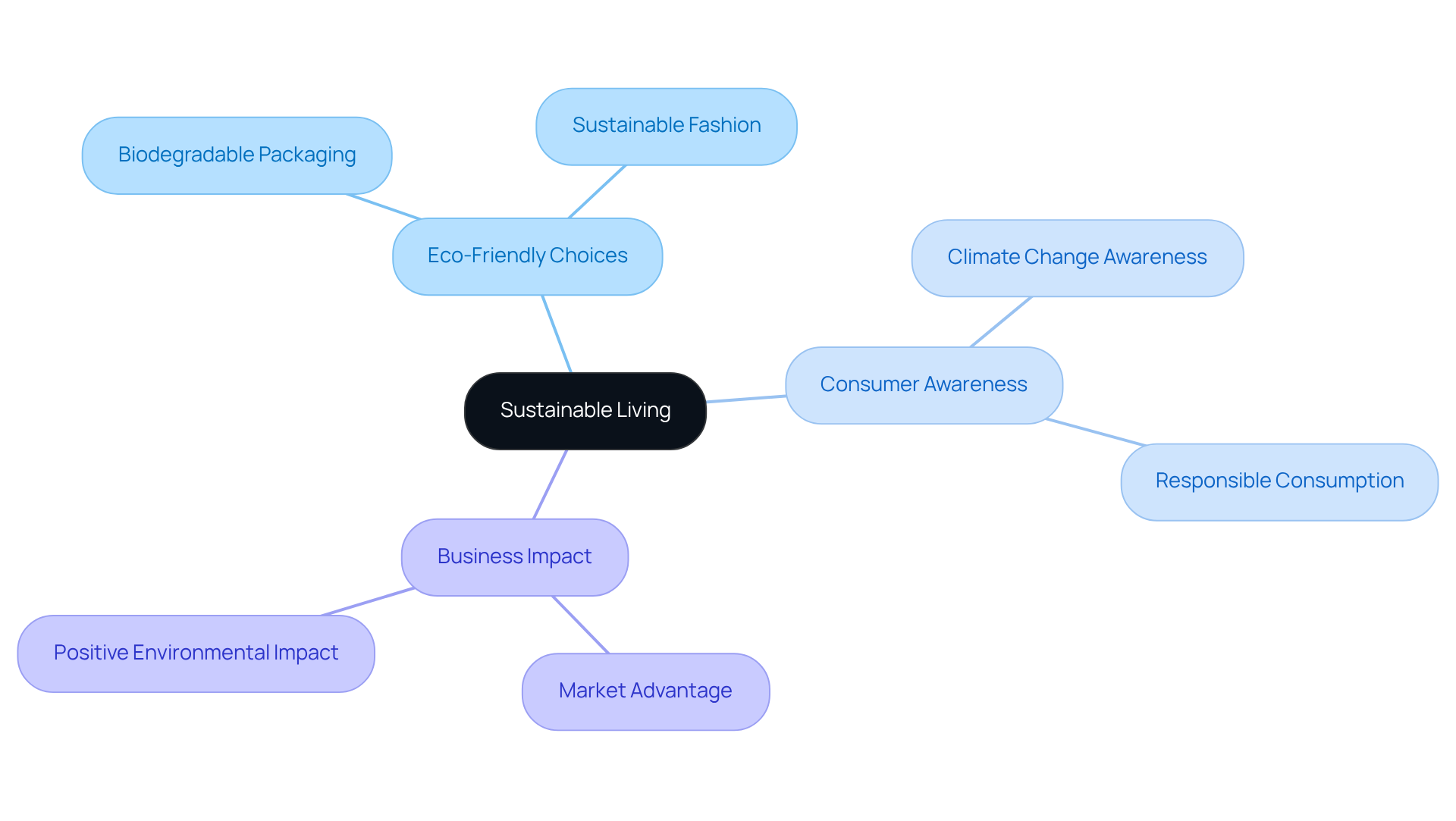
Sustainable living has become a standard lifestyle choice in 2025 because it represents current lifestyle trends rather than being a short-lived fad. People today prefer to purchase eco-friendly products which include biodegradable packaging together with sustainable fashion. People have developed greater environmental awareness about climate change and degradation which drives this transformation.
Businesses that support these values will gain market advantage because customers want to back companies that create positive environmental impact. The sustainable living lifestyle trend represents a cultural transformation toward responsible consumption and environmental protection which establishes vital practices and business possibilities for meaningful audience engagement.
Mental Health Focus: Integrating Wellness into Daily Routines
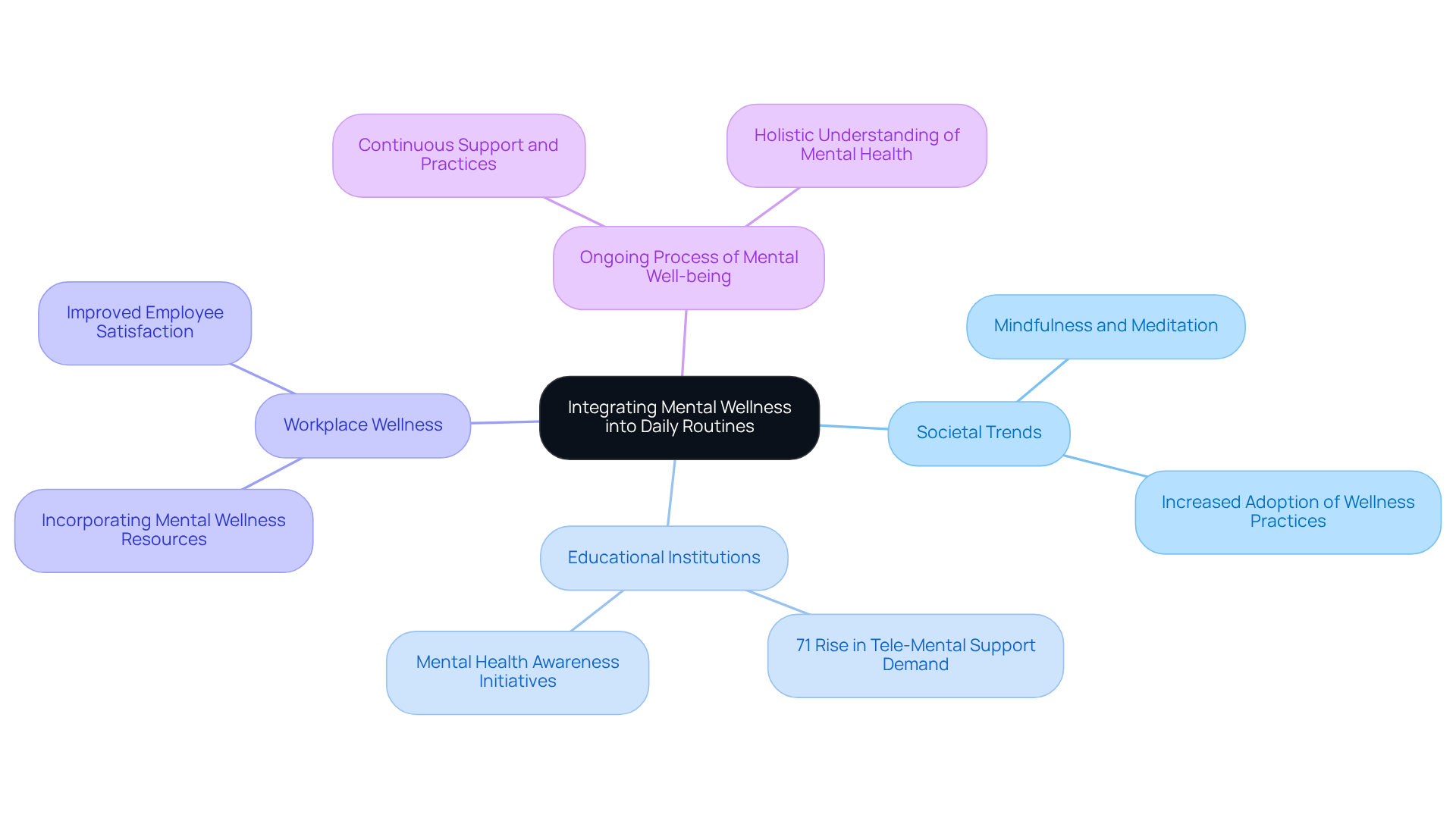
Mental well-being stands as an essential wellness component which society increasingly acknowledges as we move toward 2025. The number of people who practice lifestyle trends that include mental wellness techniques has increased significantly because mindfulness and meditation have become fundamental tools for building emotional strength.
Educational institutions experience a 71% rise in student demand for tele-mental support services because society now recognizes mental health as a priority. The market demand for mental wellness resources and support from companies will increase because consumers are adopting lifestyle trends in a stressful world.
Family Integrative Medicine along with other successful initiatives demonstrate that workplace wellness programs following lifestyle trends should incorporate mental wellness resources. These initiatives lead to better employee satisfaction while building a healthier organizational environment.
Psychologists emphasize that mental well-being exists as an ongoing process rather than a fixed point because people require continuous support and wellness practices throughout their daily lives. The increasing popularity of mindfulness and meditation practices in lifestyle trends is reshaping healthcare approaches by creating a holistic understanding which prioritizes mental and emotional wellness.
Remote Work: Redefining Work-Life Balance in 2025
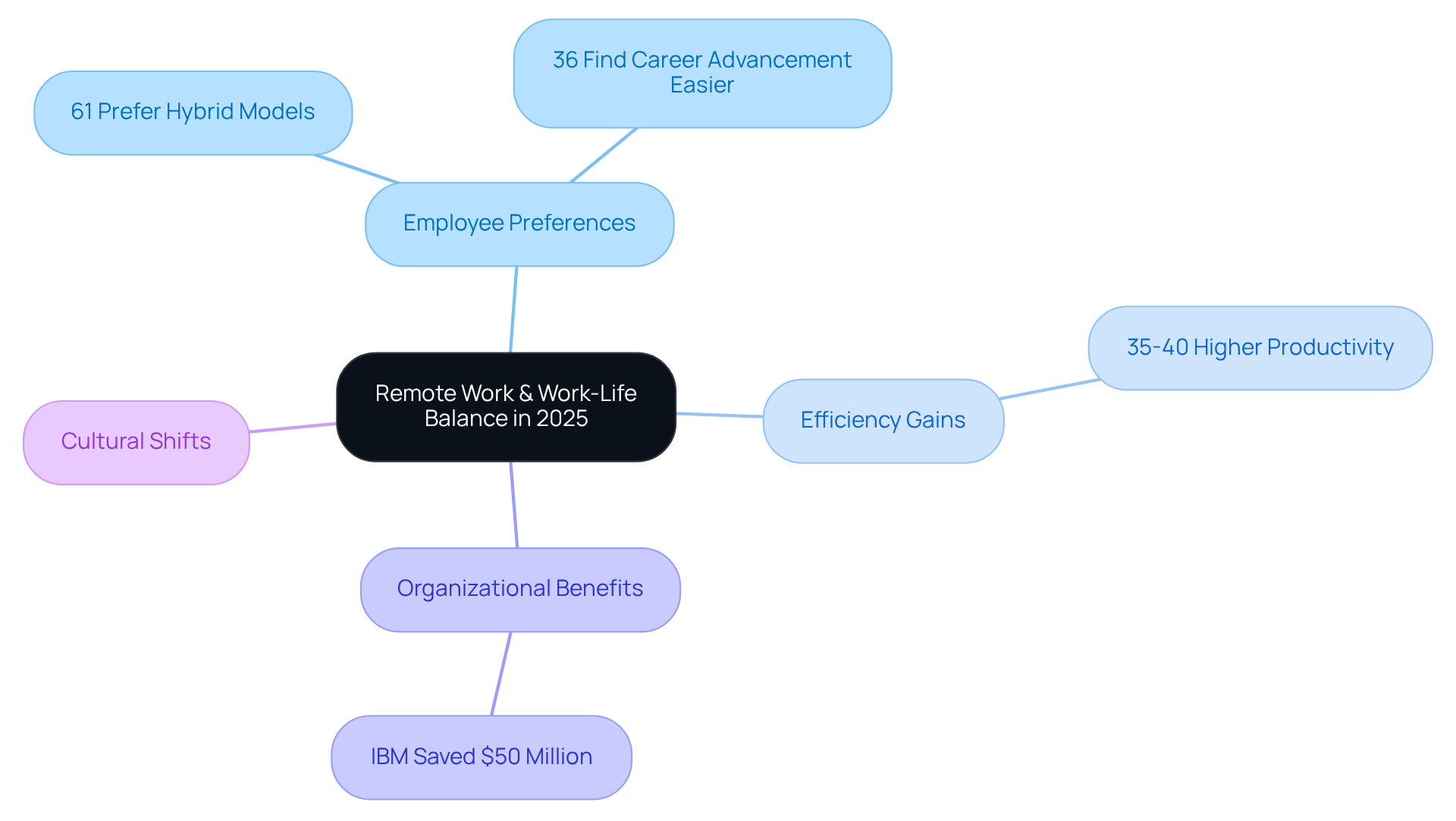
The work-life balance in 2025 will continue to transform because employees want flexible work arrangements that combine their professional and personal lives based on emerging lifestyle trends. Research indicates that hybrid work models are the preferred choice of 61% of employees and remote work enables 36% of workers to advance their careers. Remote work provides companies with both productivity advantages and strategic business advantages because their employees demonstrate 35% to 40% higher efficiency levels than traditional office workers.
Organizations that create robust remote work policies together with advanced technological support for their teams achieve better employee satisfaction and attract top talent. The financial benefits of flexible work arrangements became evident when IBM saved $50 million in real estate expenses through their decision to hire remote workers.
Organizations need to adapt to this new environment by making work-life balance and employee well-being their top priority because it represents a fundamental cultural shift in job market lifestyle trends.
Digital Detox: Embracing Mindfulness in Technology Use
The digital detox movement has rapidly expanded throughout 2025 because people seek to escape persistent digital demands to safeguard their time and mental health. The movement supports scheduled screen-free periods which promotes both offline pursuits and direct human contact.
People who practice mindful technology use experience better focus and reduced stress levels which leads to improved overall life quality. The market demand for brands that support digital wellness and screen time management solutions continues to grow because consumers seek better life balance.
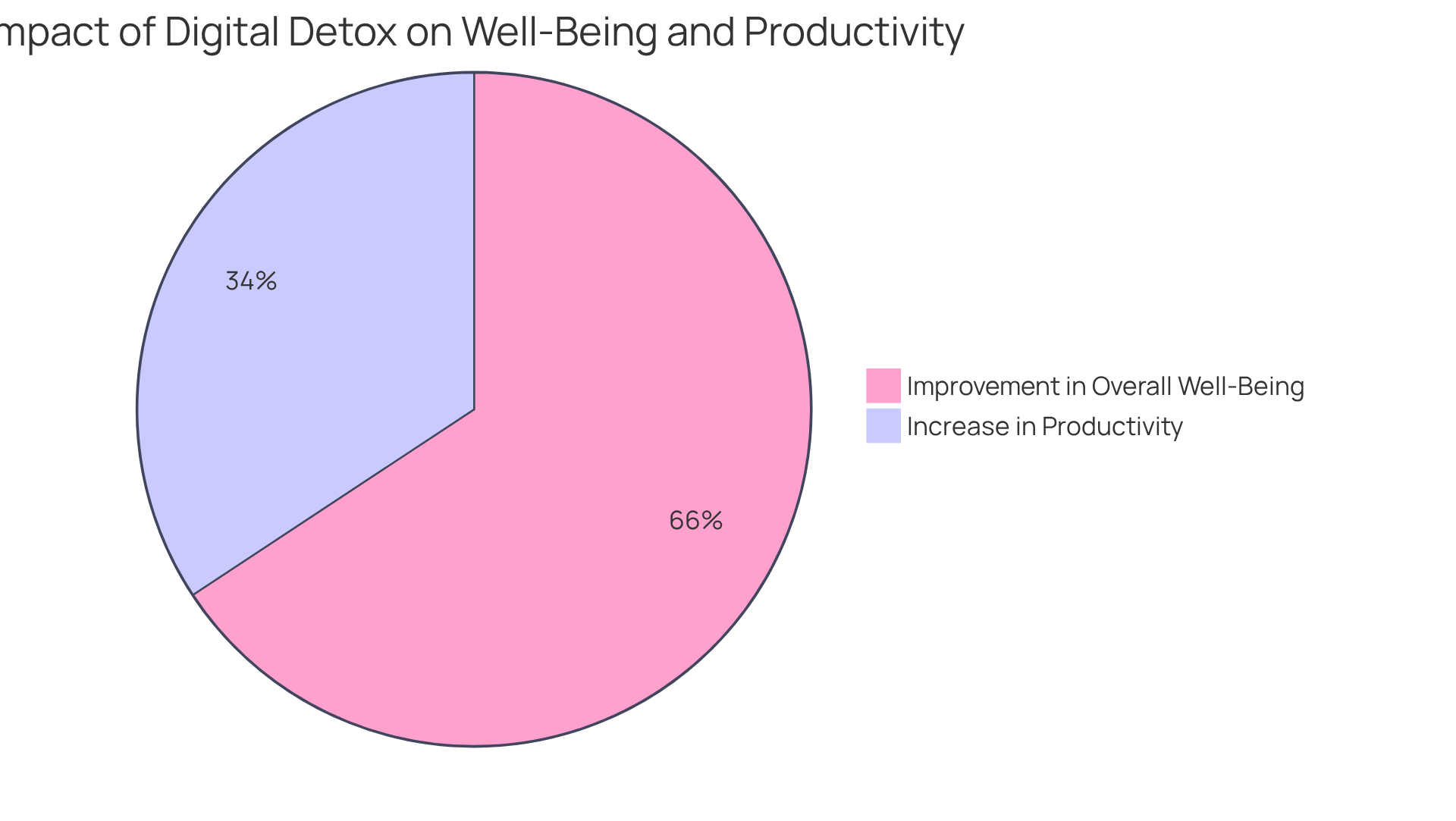
Research shows that people who practice digital detox strategies experience better overall well-being by 23% and improved productivity by 12% which demonstrates the concrete advantages of this lifestyle change.
Psychologists emphasize the need for mindful technology use because it helps minimize the adverse effects of continuous connectivity thus making this trend essential for society.
Personalized Health: Tailoring Nutrition to Individual Needs
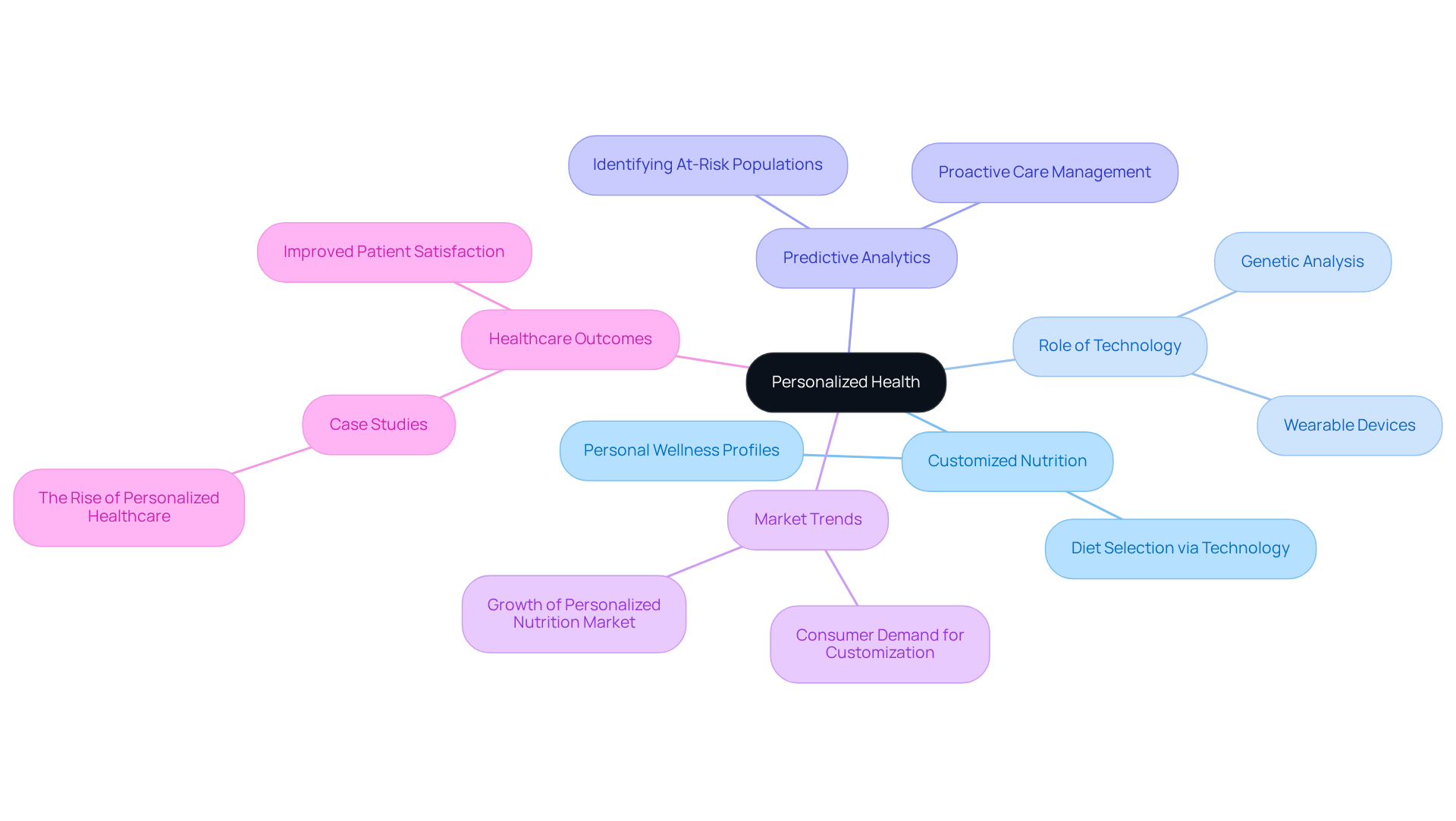
The market for customized wellness will become essential for well-being during 2025 because people seek nutrition plans that match their individual health needs. People can choose their diets through wearable devices and genetic analysis because technology allows them to select diets based on their personal wellness profiles.
Predictive analytics will identify at-risk populations to drive a transition toward more proactive care management. The growing trend toward personalized care shows how consumers now focus on their individual wellness needs which leads them to adopt a forward-thinking approach to their health.
The changing market will favor businesses that provide customized wellness solutions because they fulfill lifestyle trends and the expanding demand for personalized wellness approaches. The success of personalized healthcare applications becomes evident through case studies like 'The Rise of Personalized Healthcare' which show how wellness data enables customized meal plans that enhance user satisfaction and engagement.
Health professionals now recognize that technological advancements serve two functions by producing superior health outcomes and building stronger patient confidence in their interactions.
Urbanization: Adapting Lifestyles to City Living
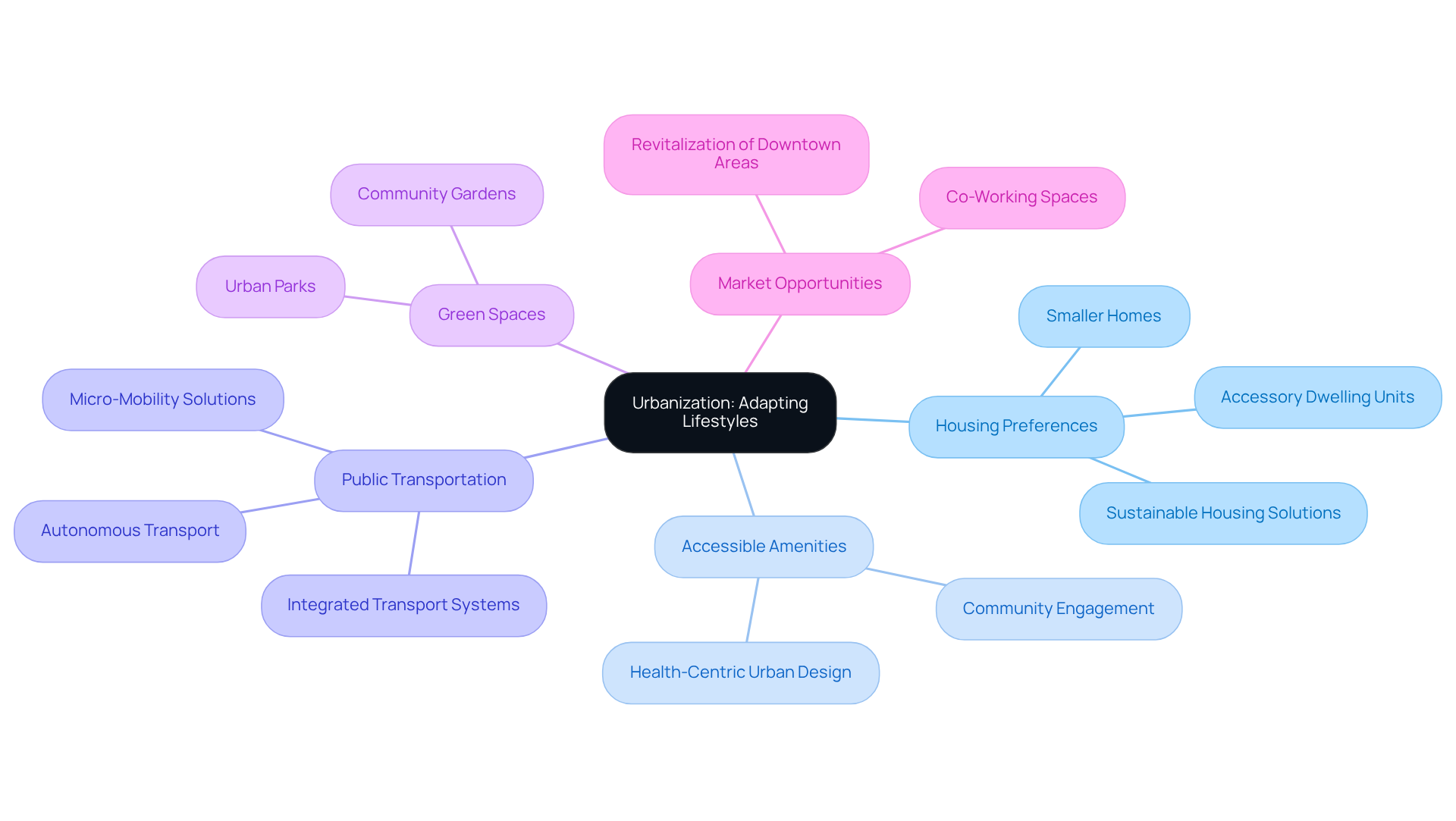
The urbanization growth in 2025 drives people to transform their lifestyle patterns based on urban demands. People now prefer living in small homes which provide easy access and opportunities to connect with their community members. The urban population now values accessible amenities, public transportation, and green spaces which enhance their quality of life. The growing market for city residents includes businesses that provide co-working spaces and sustainable housing solutions which will generate significant growth potential. Stakeholders who grasp these lifestyle trends can create strategies that align urban population preferences to establish a sustainable connected urban experience.
Experiential Living: Valuing Experiences Over Material Goods
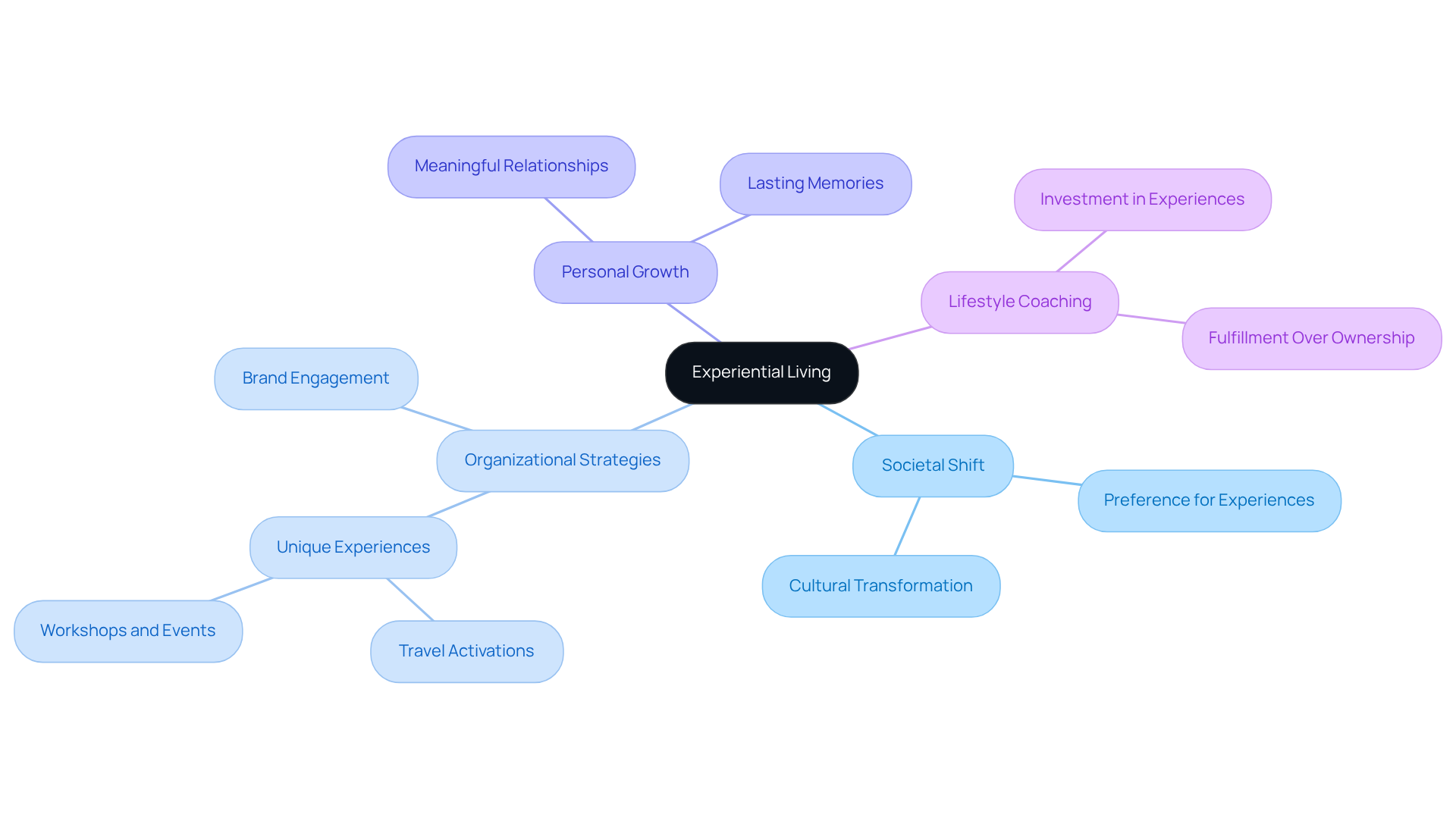
People will choose experiential living as the primary trend in 2025 because they prefer spending their money on experiences rather than acquiring material possessions. Society moves toward experience-based living because people now seek personal growth through meaningful relationships with unforgettable experiences. Organizations that create unique experiences through travel, workshops, and immersive events will reach consumers who seek brand engagement and exploration. The cultural transformation indicates a broader commitment to meaningful living which aligns with lifestyle patterns that find happiness through personal experiences rather than material possessions. Lifestyle coaches endorse this method because they believe that experience investments enable personal development and create lasting memories which align with the emerging lifestyle trend away from material possessions. People who follow this trend will create a life that values deep relationships and long-term fulfillment instead of fleeting ownership.
Social Media Influence: Shaping Modern Lifestyle Choices
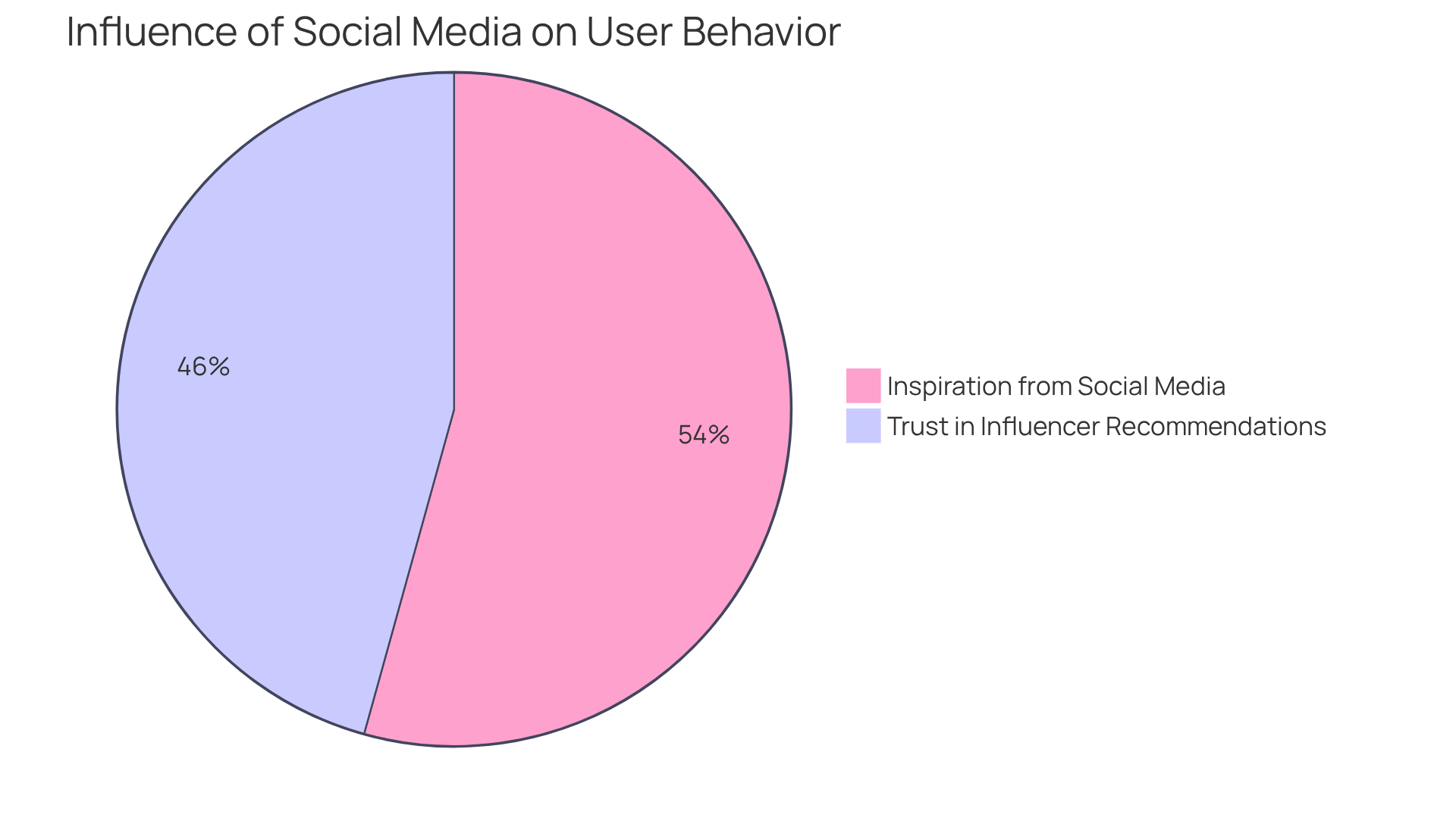
The social media platforms Instagram and TikTok will continue to lead the way in shaping lifestyle trends during 2025. Instagram has evolved into a fundamental marketing tool for brands because it enables visual storytelling and influencer marketing. These platforms display fresh lifestyle trends alongside new products while fostering community engagement which makes them essential for brand visibility.
Social media users conduct product research through their feeds because 82% of users find inspiration and recommendations on these platforms. The success of Instagram influencer marketing depends on authenticity because 69% of users trust product recommendations from influencers.
Brands that establish authentic content and strong audience relationships through social media will achieve success in this changing market.
Minimalism: Embracing Simplicity in Lifestyle Choices
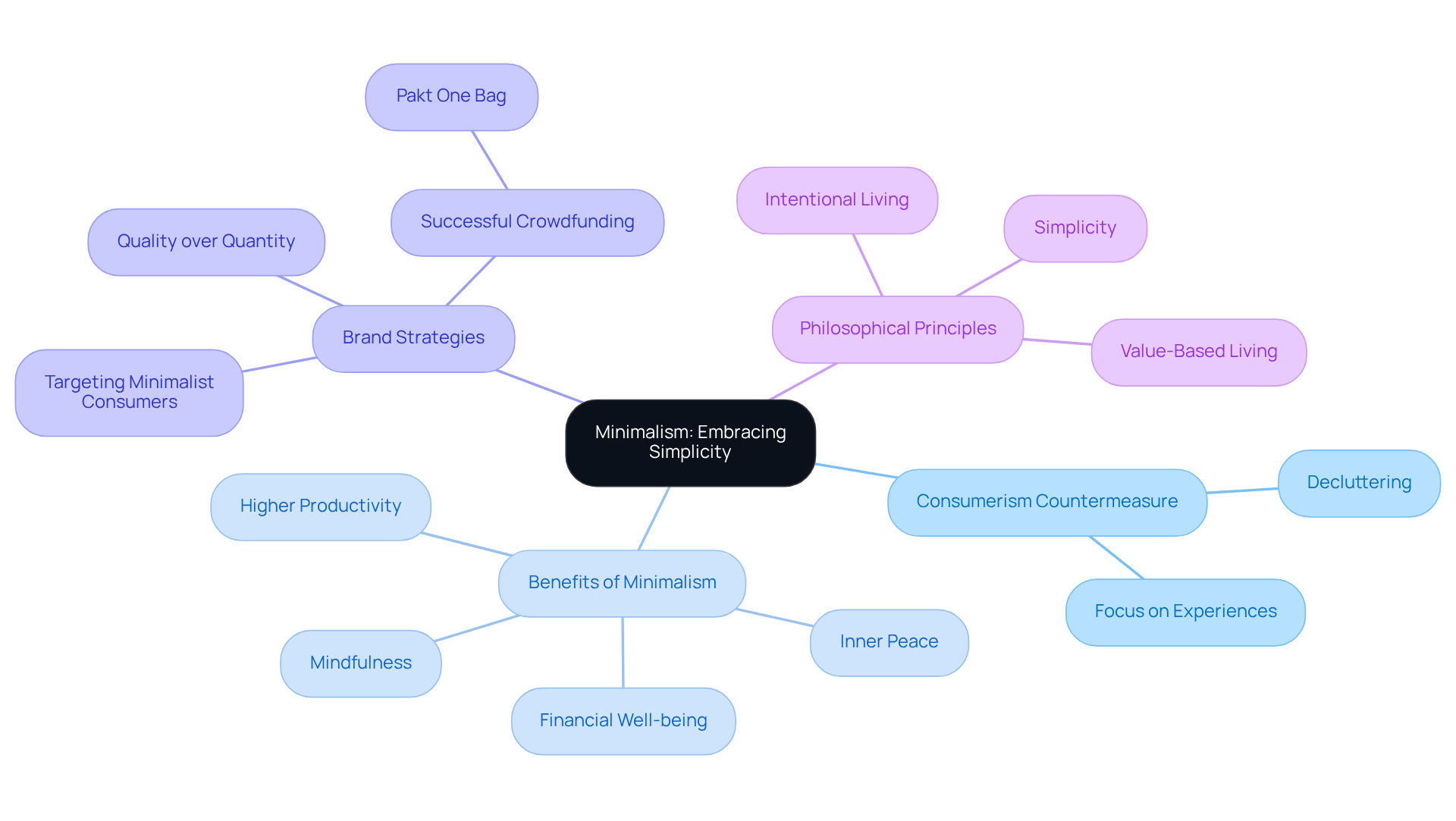
During 2025 the lifestyle trend of minimalism gains popularity because people seek to simplify their existence through the process of decluttering. The movement operates as a consumerism countermeasure which promotes lifestyle trends that value experiences over material possessions. People who practice minimalism discover inner peace and clarity because they concentrate on what provides genuine value to their existence.
Brands that embrace minimalist values will establish strong consumer bonds with people who aim to decrease their life complexity. Minimalist product marketing success depends on highlighting quality over quantity to draw in customers who seek authentic life experiences. The Pakt One bag successfully met its $2 million funding target on Indiegogo crowdfunding which demonstrates consumer demand for minimalist products. According to Joshua Fields Millburn who leads the minimalist movement, "Fewer material possessions in life create better contentment through meaningful experiences."
Wellness experts demonstrate that life simplification produces various advantages because minimalism enables people to develop mindfulness and achieve better well-being. According to Leo Babauta who founded Zen Habits, "Minimalist principles enable people to develop positive habits which lead to higher productivity." Through the KonMari Method, Marie Kondo demonstrates that people should keep only things that bring them joy which leads to both organized spaces and contentment in their living areas.
The changing world environment produces significant impacts on personal choices because people now prioritize meaningful relationships and life experiences instead of consumerism. Minimalist lifestyle trends demonstrate both a preference for simplicity and provide a method to establish a more purposeful way of living. Minimalism maintains its core principles which adapt to various lifestyles and budgets thus making the approach available to numerous people although some critics view it as competitive or exclusive.
Conclusion
The lifestyle patterns of 2025 will undergo fundamental changes because consumers now value cultural awareness and technological progress. The emerging trends require individuals and organizations to adopt sustainability practices together with mental health support and experiential living approaches. People share a common requirement to develop authentic relationships through genuine experiences in their everyday lives.
The study reveals that consumers actively support environmentally friendly practices when they select businesses which share their sustainable values. The commitment demonstrates both environmental benefits and community building effects. People need to implement holistic practices into their daily activities because the current emphasis on mental wellness and work-life balance demonstrates their essential role for both personal and professional achievement. The rise of personalized health solutions and digital detox movement shows how technology interacts with well-being to help people reclaim their time while making mental health their priority.
The changing world requires consumers and businesses to view these lifestyle trends as opportunities for development and transformation. Society can build a more satisfying future through its support of sustainability practices and its promotion of mindfulness and experience-based decision-making. People who understand these trends will obtain the ability to select meaningful choices which match their values and enhance their life quality throughout 2025 and beyond.