June 18, 2025
10 Key Indonesia Consumer Trends Shaping the Market in 2025
Digital payments, sustainability, wellness, and experiential spending are reshaping Indonesia's consumer market in 2025.
Overview
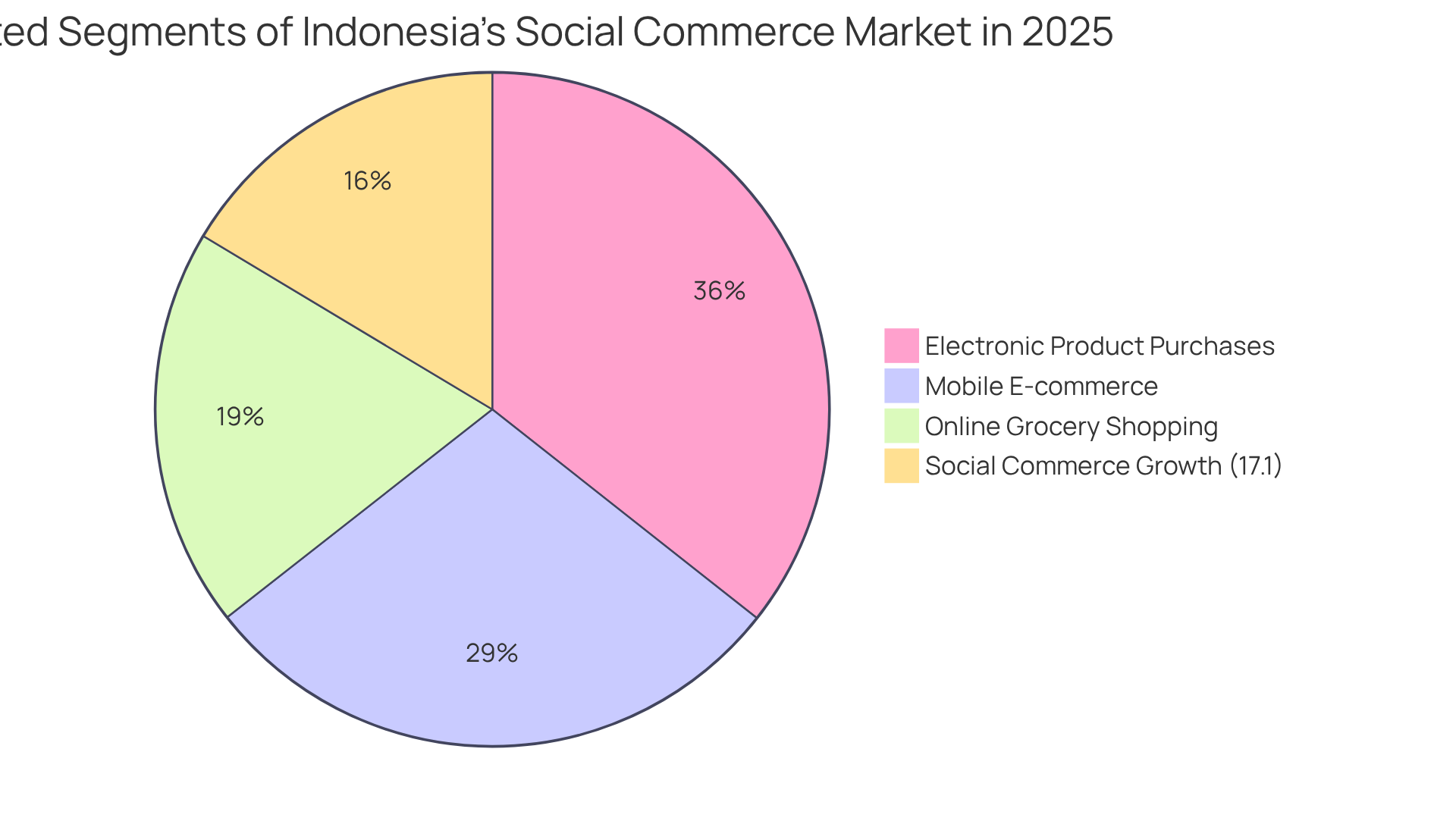
The Indonesian market in 2025 will be influenced by four major consumer trends which include:
- Social commerce growth
- Mobile e-commerce expansion
- Health and wellness focus
- Sustainability and convenience needs
The market trends demonstrate key characteristics of the changing market environment through their demonstration of digital connectivity effects and middle class expansion on consumer conduct. These trends hold essential value because they demonstrate how consumer preferences are changing; thus, businesses need to take notice. Companies need to modify their strategies to match the changing consumer preferences in order to succeed in this competitive market. Businesses that adopt these insights will gain the ability to fulfill the needs of their changing consumer base.
Introduction
The Indonesian consumer market will undergo a significant change because its middle class is growing and digital connectivity is improving. The market transformation presents brands with an exceptional opportunity to connect with emerging trends which will reshape consumer shopping behavior and preferences. Businesses encounter challenges when they attempt to adapt to market changes while serving the growing consumer base. The following article examines ten market-defining trends for Indonesia in 2025 which provide organizations with essential knowledge to handle this intricate market landscape.
Ubertrends: Insights into Indonesia's Evolving Consumer Landscape
The Indonesian marketplace undergoes major transformations because of rising middle class numbers and better digital connectivity. Social commerce will reach $5.25 billion in 2025 while experiencing 17.1% yearly growth. The popularity of mobile e-commerce has increased because consumers now use smartphones and social media platforms to discover products and interact with them.
The rising disposable incomes together with urbanization trends have reshaped Indonesian consumer behavior patterns and their purchasing preferences. Companies need to adjust their strategies by implementing trend intelligence to develop approaches that match the shifting Indonesian consumer trends. Social commerce depends on influencer marketing because brands use authentic content creators to direct customers to compliant e-commerce sites.
Online grocery shopping and electronic product purchases show increasing popularity among Indonesian consumers according to shopping trends for 2025. Organizations that want to succeed in this evolving market need to focus on digital payment solutions together with customer experience improvement through personalized recommendations. Businesses that grasp Indonesia's socio-economic dynamics together with consumer trends can build strategic positions in this fast-changing market. Businesses can improve their adaptability through the combination of product insights with trend intelligence from Toolhacker reviews within Ubertrends. Organizations gain better understanding of client expectations and behaviors through this integration especially regarding privacy and social media and remote work and e-commerce.
E-Commerce Boom: Transforming Shopping Habits in Indonesia
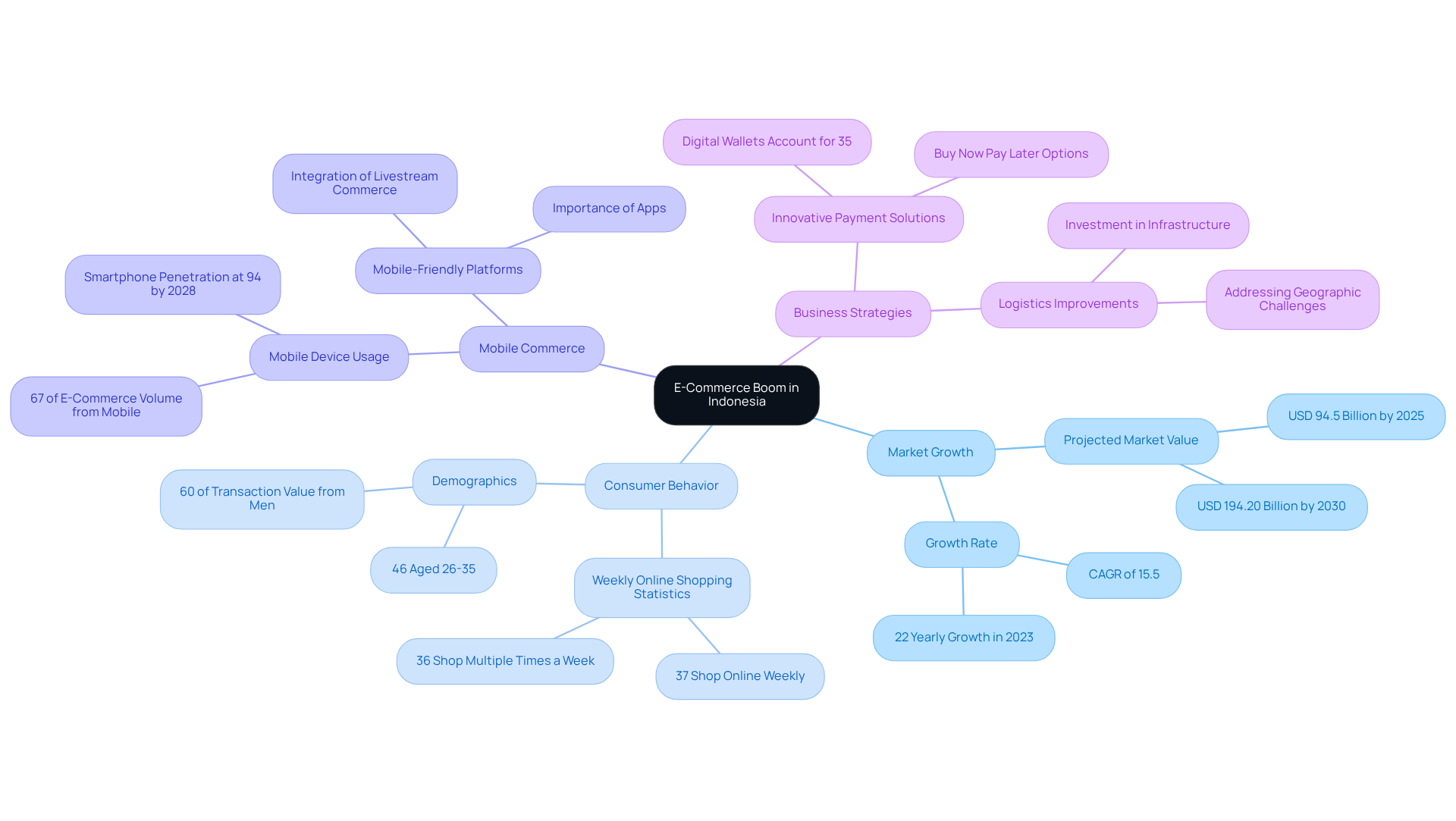
The e-commerce market in Indonesia demonstrates strong growth potential because experts forecast it will reach USD 94.5 billion by 2025. The market expansion occurs because internet accessibility improved from 78.1% in 2023 to 79.5% in 2024 while smartphone penetration is projected to reach 94% by 2028. The digital literacy growth among young consumers has made online shopping their preferred choice because 37% of Indonesians shop online weekly and 36% shop online multiple times per week according to Indonesia consumer trends.
E-commerce has transformed consumer buying patterns because Indonesian consumers now seek both convenience and product diversity according to Indonesia consumer trends. Businesses that develop digital strategies to enhance their online presence and improve customer relationships will achieve market expansion and deliver better customer satisfaction that follows Indonesia consumer trends. Businesses need to establish innovative payment solutions and enhanced logistics systems because these elements will propel market expansion.
Mobile commerce represents a fundamental advancement in e-commerce development because it matches Indonesia consumer trends through its ability to generate 67% of e-commerce volume using mobile devices. Mobile-friendly platforms together with applications remain essential for businesses to connect with their technology-oriented customer base. The Indonesian e-commerce market will expand at a 15.5% compound annual growth rate (CAGR) from 2023 to 2030 thus businesses need to maintain flexibility to succeed in this expanding digital market.
Health and Wellness Focus: Prioritizing Well-Being in Consumer Choices
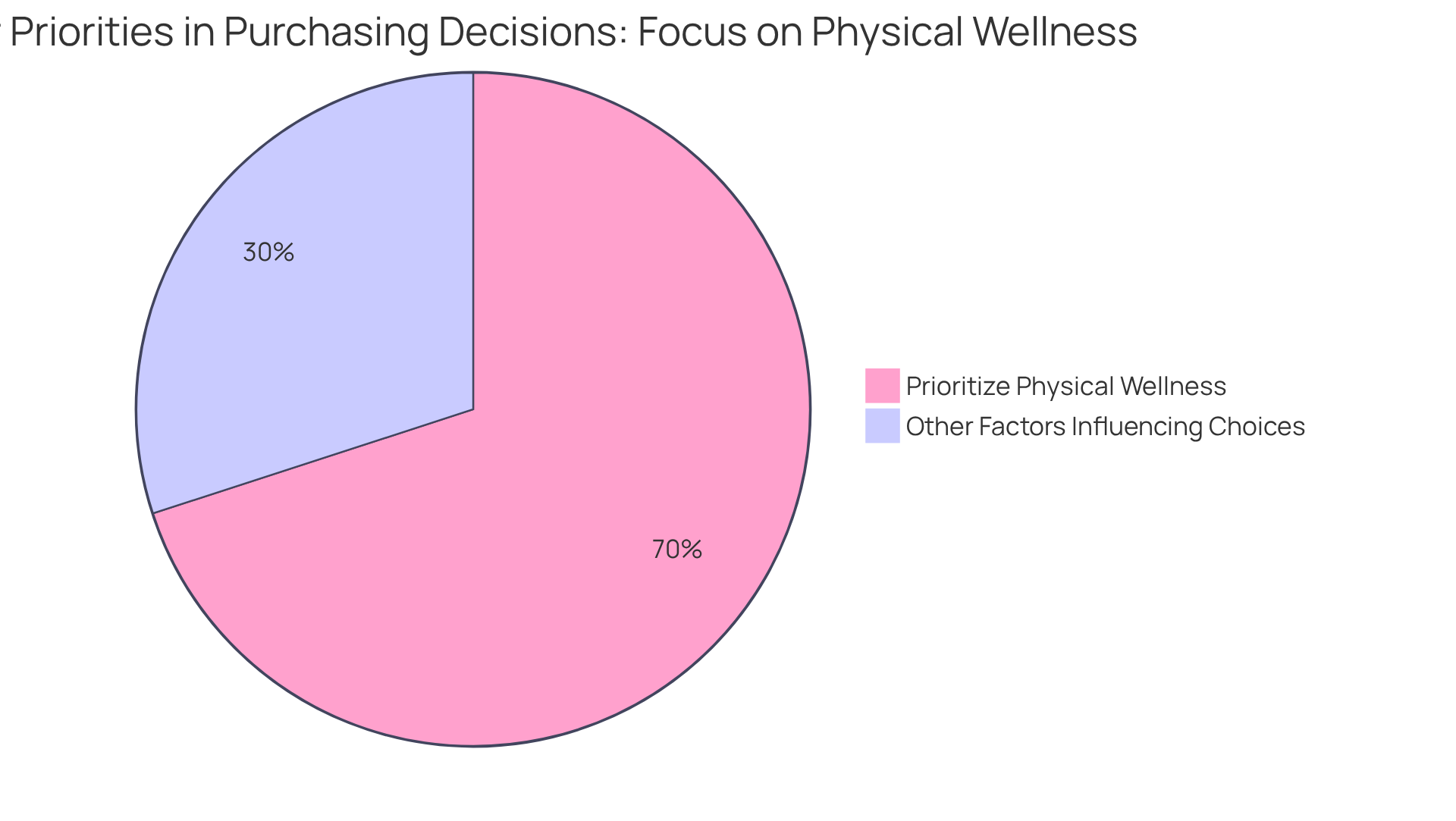
The year 2025 shows that Indonesians who represent 70% of consumers choose their purchases based on physical wellness. The trend shows that people are becoming more aware of complete wellness because of increased mental health awareness. The rising demand for organic products and fitness services and wellness experiences shows that people want to achieve better health together. The market shows increasing interest in NAD+ IV therapy as a new anti-aging solution because people want to extend their lifespan and enhance their life quality.
Businesses that align their products with health-oriented consumer preferences such as stress relief solutions and exercise programs can leverage Indonesia consumer trends to build stronger customer loyalty and expand their market presence. The anti-aging sector needs businesses to understand Indonesia consumer trends because scientific and technological progress continues to drive its ongoing development.
Social Media Influence: Shaping Brand Engagement and Consumer Decisions
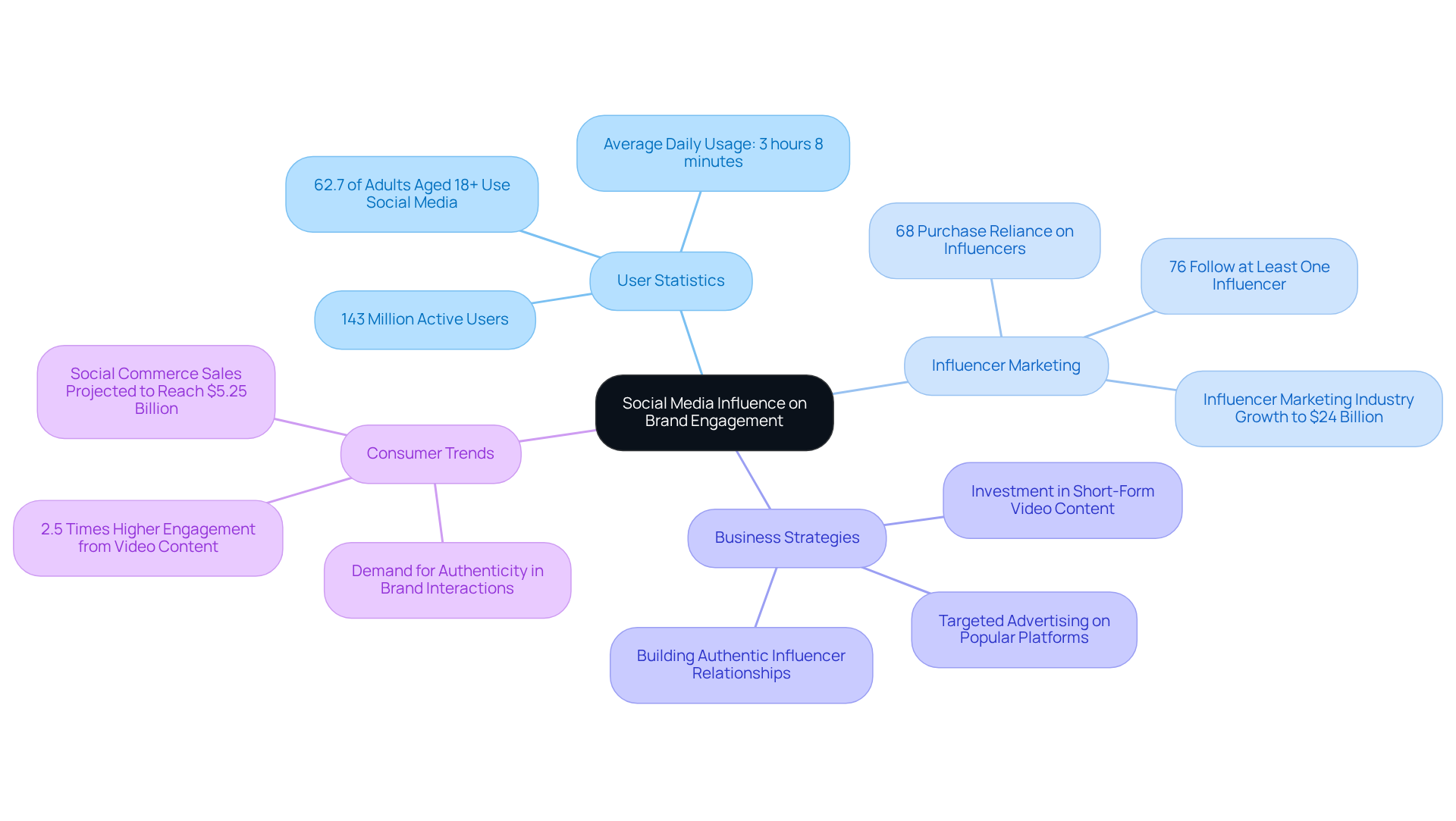
Social media functions as a primary driver of Indonesia consumer trends because it has more than 143 million active users at the start of 2025. Instagram and TikTok along with other social media platforms now serve beyond social networking to act as fundamental tools that drive both consumer interaction and purchase decision-making processes. The active market shows a strong impact of influencer marketing because social media users rely on influencer endorsements to make 68% of their purchases. Users now seek authenticity from brands in their social media interactions because this preference changed brand-audience connection methods since Friendster introduced the first platform. Micro and nano-influencers have become prominent due to consumer demands for genuine connections which matches the existing Indonesia consumer patterns to establish authenticity as a fundamental marketing principle.
The success of businesses depends on their ability to develop authentic influencer relationships while building stories and promoting community engagement. Business success demands the creation of specific social media strategies which match the needs of their target market segments. Businesses should invest in short-form video content marketing because it generates 2.5 times higher engagement than other content types and direct their advertising spending to the platforms where their target audience spends most of their time. Instagram ads in early 2025 reached 48.7% of local internet users and TikTok ads targeted 53.5% of adults aged 18 and above. These platforms have become vital for businesses because they improve both visibility and engagement with consumers. The success of social media campaigns relies on businesses building genuine audience relationships through their marketing initiatives. Brands can leverage influencer collaborations as a major business opportunity because users follow at least one influencer at a rate of 76%. The influencer marketing industry grew at an explosive rate over five years to reach $24 billion as a global market in 2024. Businesses need to adjust their strategies to match the continuous social media evolution in order to fully harness its capabilities for influencing customer purchases and market growth based on Indonesia consumer patterns. The rising social media usage in Indonesia reaches three hours and eight minutes per day while retail social commerce sales are projected to reach $5.25 billion in 2025 which demonstrates the growing need for effective engagement. Michael Tchong states that the company focuses on delivering knowledge which enables businesses and people to navigate through the current continuous changes.
Sustainability and Ethical Consumption: Driving Responsible Buying Behavior
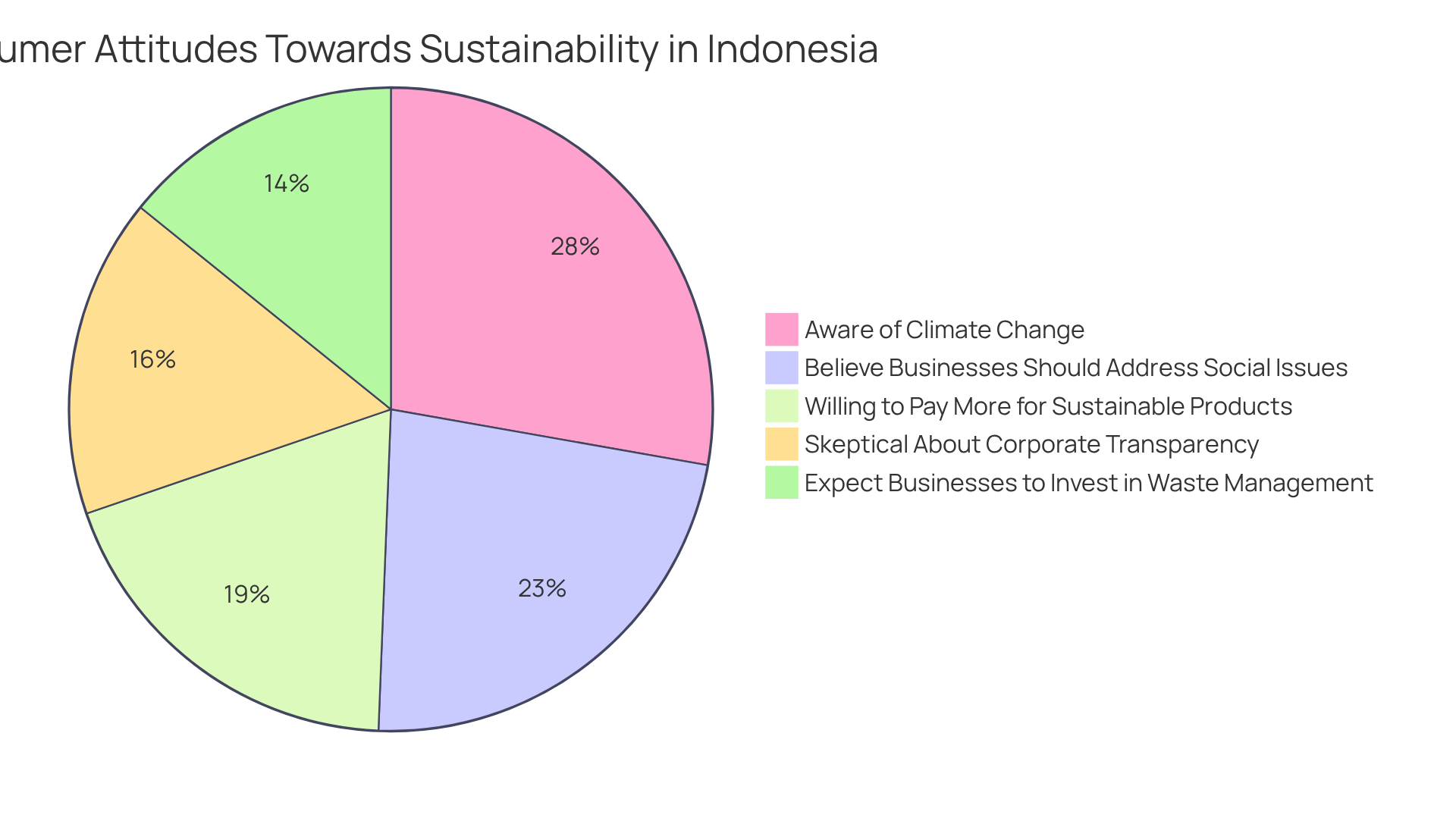
The Indonesian market demonstrates increasing interest in sustainability because 62% of consumers are willing to pay more for sustainable products. Brands must adopt ethical practices throughout their sourcing operations and manufacturing processes because of the market shift. The majority of Indonesian consumers (46%) expect businesses to use their funds for waste management and improved health and nutrition standards because they want corporate sustainability responsibility. The population exceeds 90% in climate change awareness which proves sustainability plays a vital role in Indonesia consumer trends.
Businesses that focus on sustainability build stronger brand reputation and earn customer trust from responsible consumers according to Indonesia consumer trends. The majority of buyers (52%) express skepticism about corporate sustainability program transparency which proves the need for clear sustainability practices. Companies must integrate sustainability into their core business strategies because this trend continues to grow and will establish their market position in the future. The majority of people (74%) believe businesses need to address social issues which shows the importance of ethical consumption.
Rise of the Middle Class: Expanding Market Opportunities in Indonesia
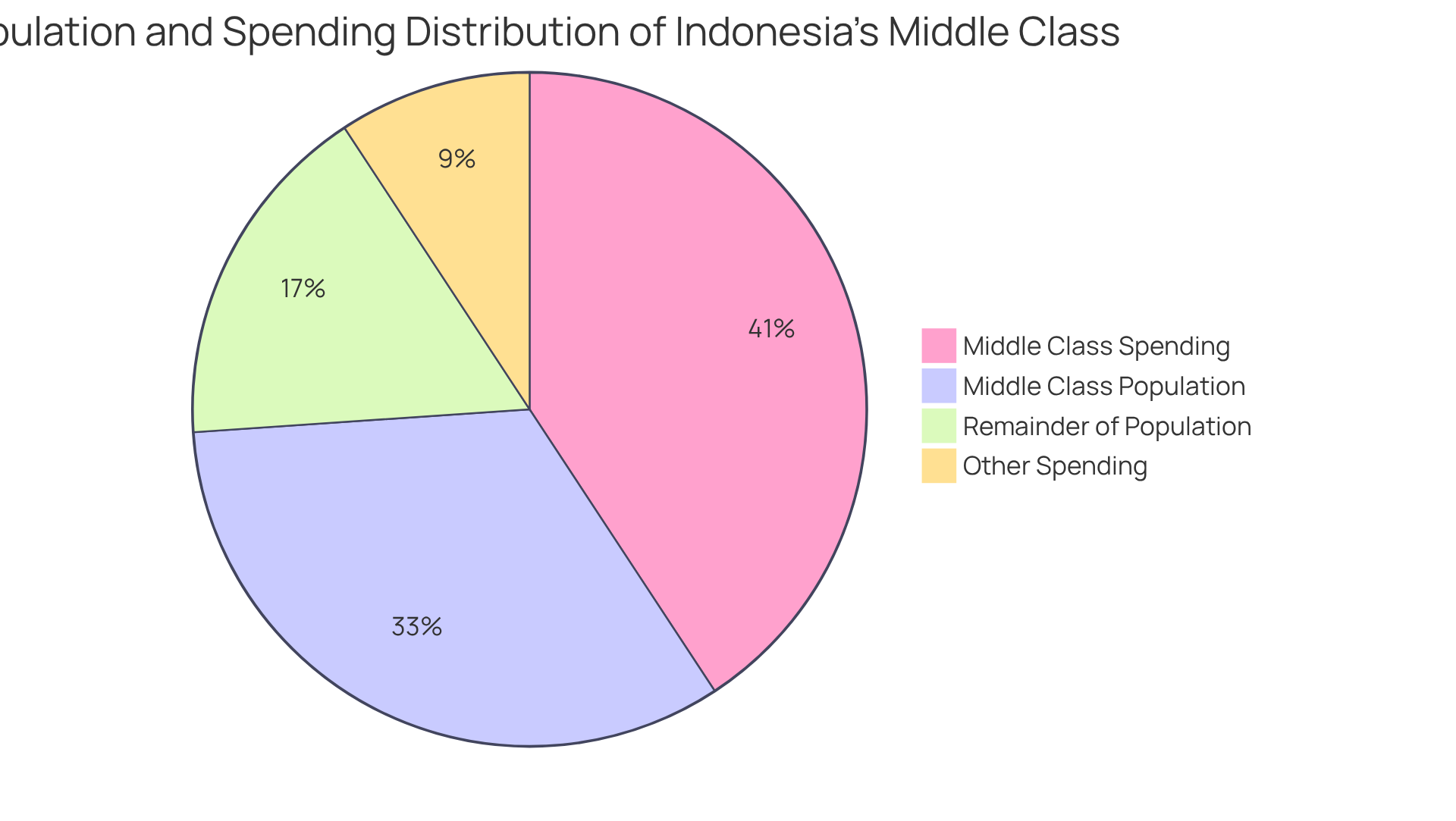
The Indonesian middle class expansion leads to substantial economic transformations because of their changing household purchasing habits. The demographic shift toward better quality products and services follows the growth of disposable income among this population. The middle class together with those who are approaching this status make up 66.35% of the population and they spend 81.49% of total household expenses in 2024. The economy depends heavily on this demographic segment.
Businesses that match their products to this consumer segment will experience rising market demand and enhanced customer retention. Businesses need to understand changing Indonesia consumer trends because the middle class expansion creates substantial market opportunities and shapes purchasing patterns in Indonesia's competitive market.
Experiential Consumption: Valuing Unique Experiences Over Products
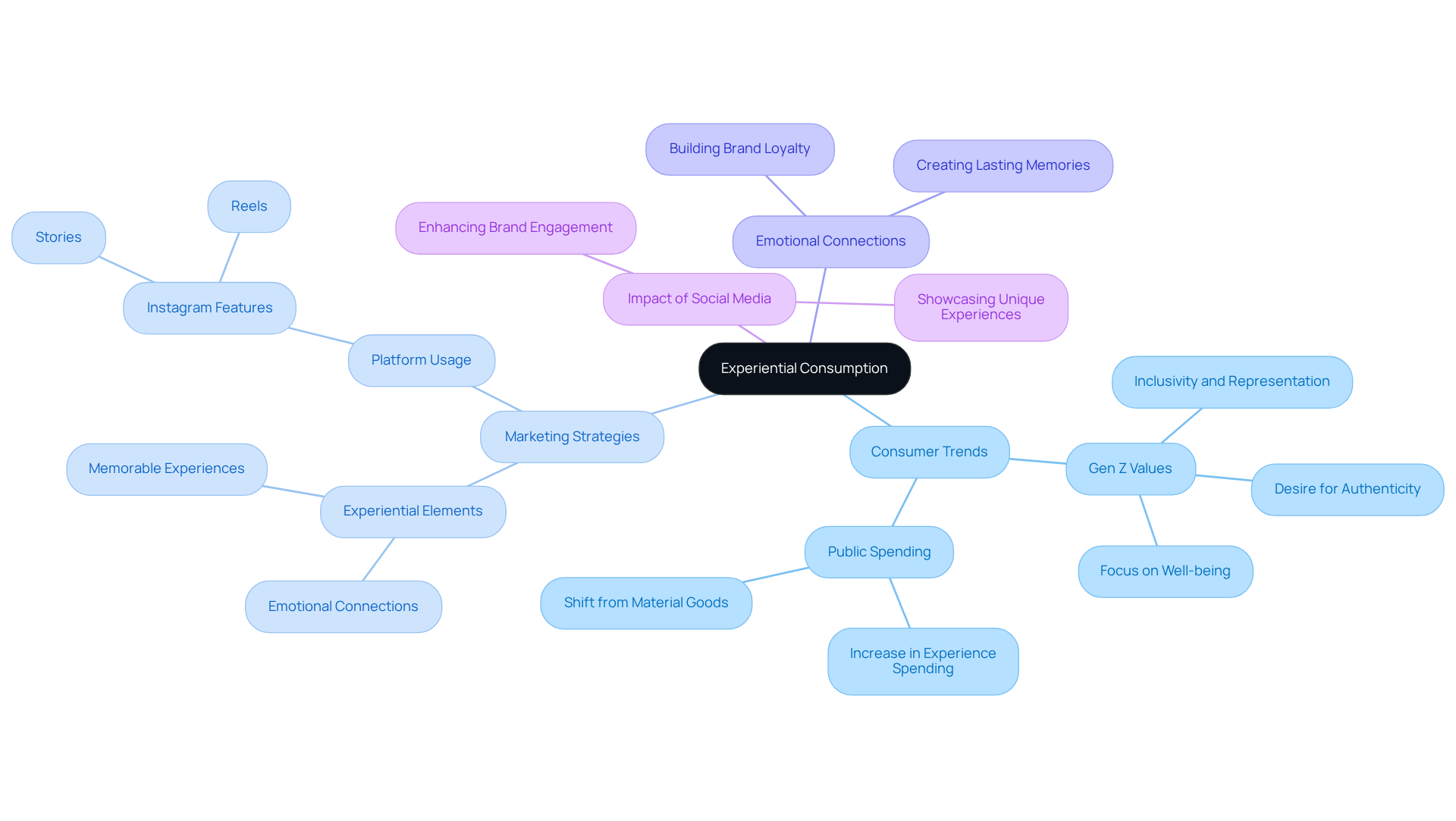
The Indonesian consumer market in 2025 reveals that people now opt for distinctive experiences instead of standard products, which represents a major change in their buying habits. The rising interest in travel and live events and experiential marketing demonstrates this trend, which platforms like Instagram showcase and enhance.
The competitive marketplace will favor brands that develop memorable experiences that build emotional connections with their audience. Marketing specialists agree that companies need to deliver unique experiences because this ability enables them to reach individuals who seek deep connections. Companies need to transform their offerings through the addition of experiential elements that match the changing preferences of buyers to maintain their position in an experience-driven economy.
The values of inclusivity and representation affect 88% of Gen Z consumers who use these principles to judge companies, thus offering organizations an opportunity to create customized and immersive experiences. The increase in public spending on experiences indicates that companies must modify their strategies.
Companies that optimize their travel buying process and enhance emotional travel experiences through Trafalgar and Marriott Vacations achieve strong customer loyalty and engagement. Instagram features such as Stories and Reels serve as vital tools for businesses to build genuine and creative relationships with their target audiences.
The demand for distinctive experiences has evolved into an essential need for Indonesian buyers who want genuine brand connections, according to Indonesia consumer trends, which Instagram's visual-centric approach significantly impacts.
Fintech Adoption: Revolutionizing Payment Methods and Financial Services
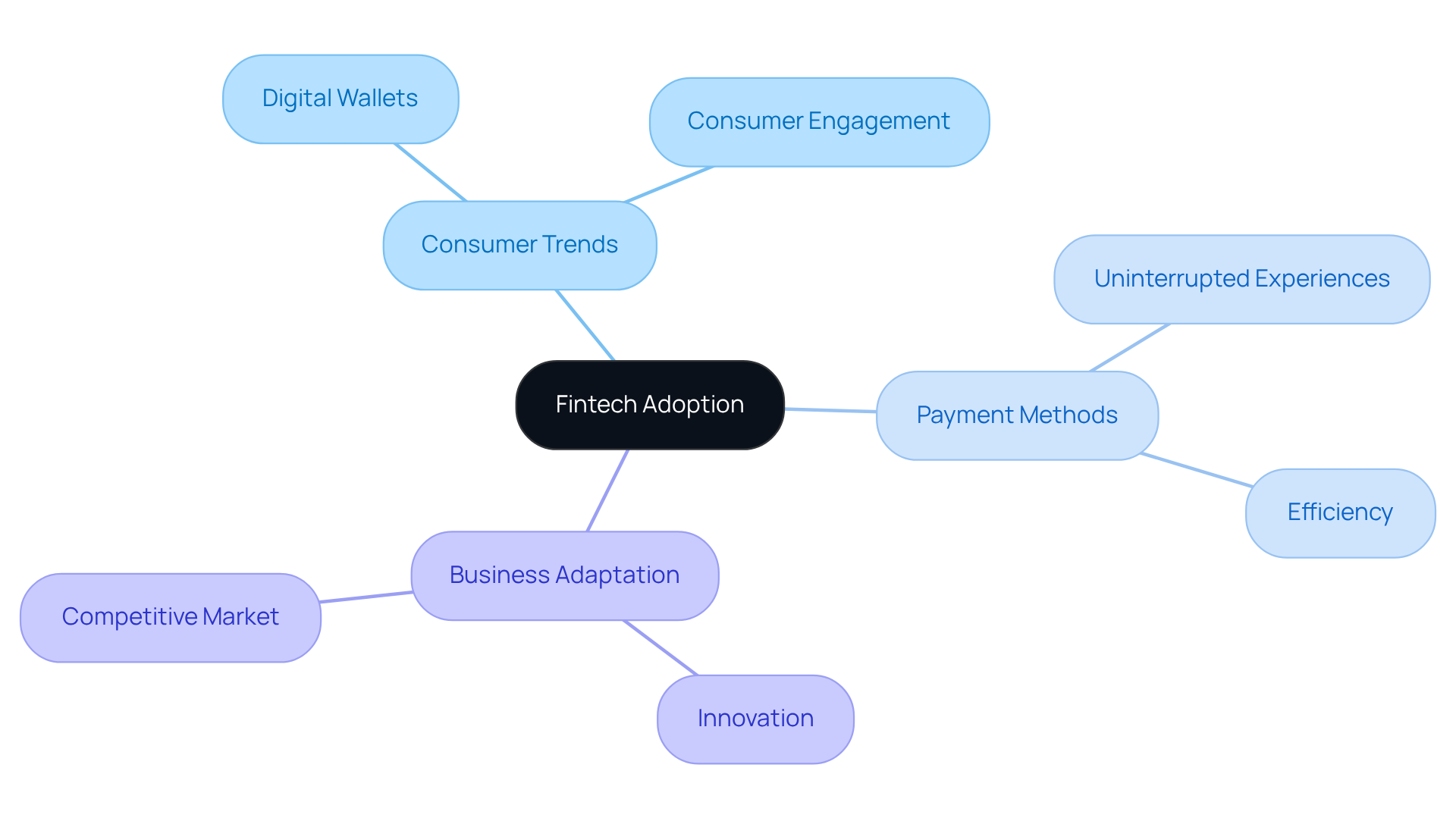
The adoption of fintech technology drives changes in payment systems and financial services throughout Indonesia where digital wallets lead consumer trends. The trend demonstrates a fundamental change in how Indonesia consumer trends influence financial transaction consumer engagement. The fintech industry will keep expanding at a rapid pace until 2025 because people seek enhanced convenience and efficiency in their financial services.
Businesses must implement fintech solutions to their operations for delivering uninterrupted payment experiences to their customers. The market adaptation goes beyond reacting to change because it shows how innovation meets the changing needs of customers. Businesses that implement these technological advancements can achieve success in the expanding competitive market.
Convenience and Time-Saving Solutions: Meeting Consumer Demands for Efficiency
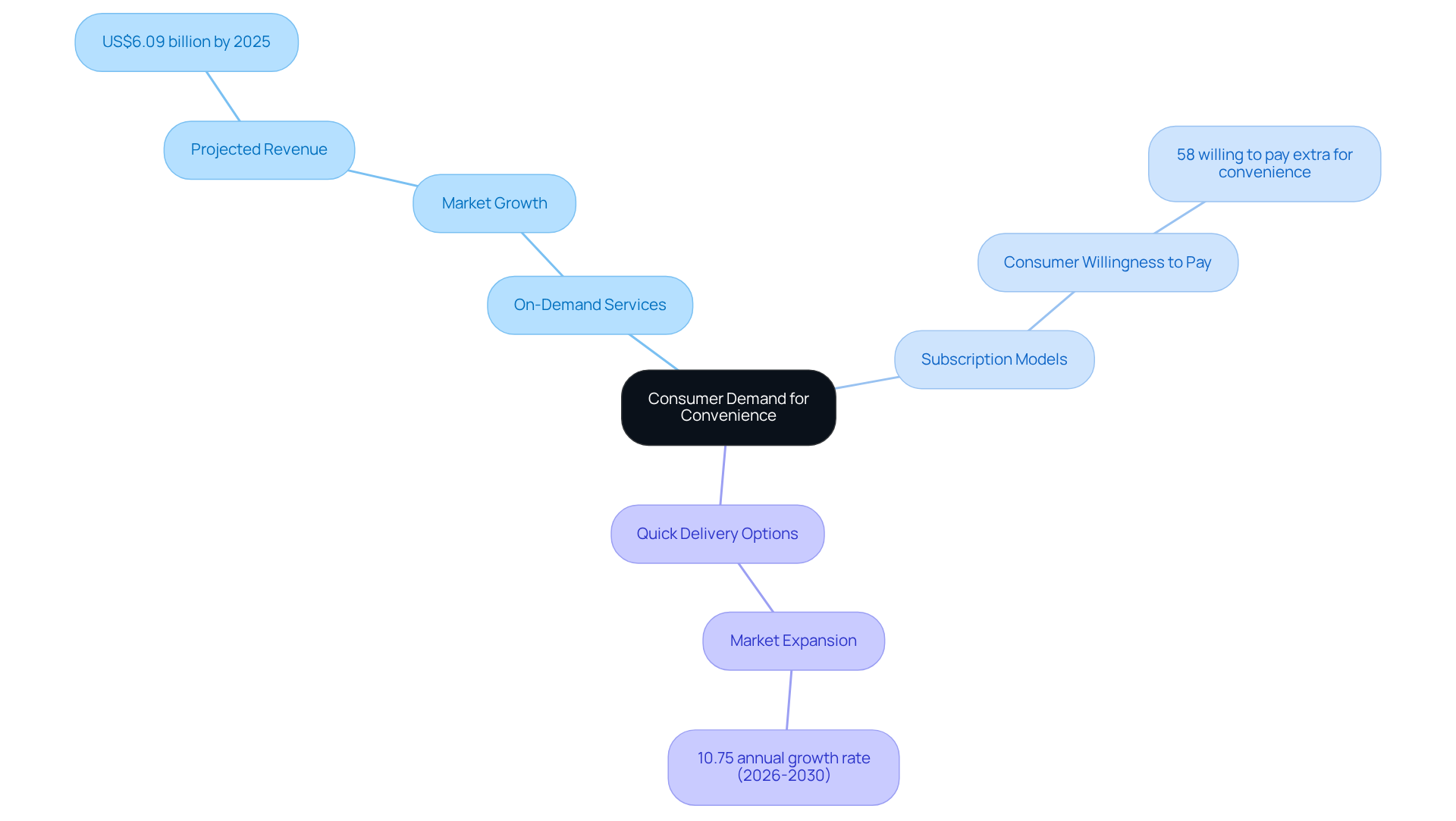
According to Indonesia consumer trends, people will prioritize convenience and time-saving solutions in 2025. The market demonstrates significant growth in:
- On-demand services
- Subscription models
- Quick delivery options
The Convenience Food sector will generate US$6.09 billion in revenue by 2025. Businesses that focus on convenience will attract new customers and keep their existing customers loyal. The current Indonesia consumer trends indicate that 58% of consumers are willing to pay extra for comfort and convenience during special events, which proves strong market demand for innovative service delivery.
Through Toolhacker reviews, Ubertrends provides businesses with these insights to make strategic adaptations and respond effectively to the rising demand for efficiency. The industry will expand at a 10.75% annual rate from 2026 to 2030, which creates a substantial business opportunity for companies to achieve success by delivering customer-focused quick and accessible solutions.
Smart Home and IoT Devices: Enhancing Daily Life and Consumer Engagement
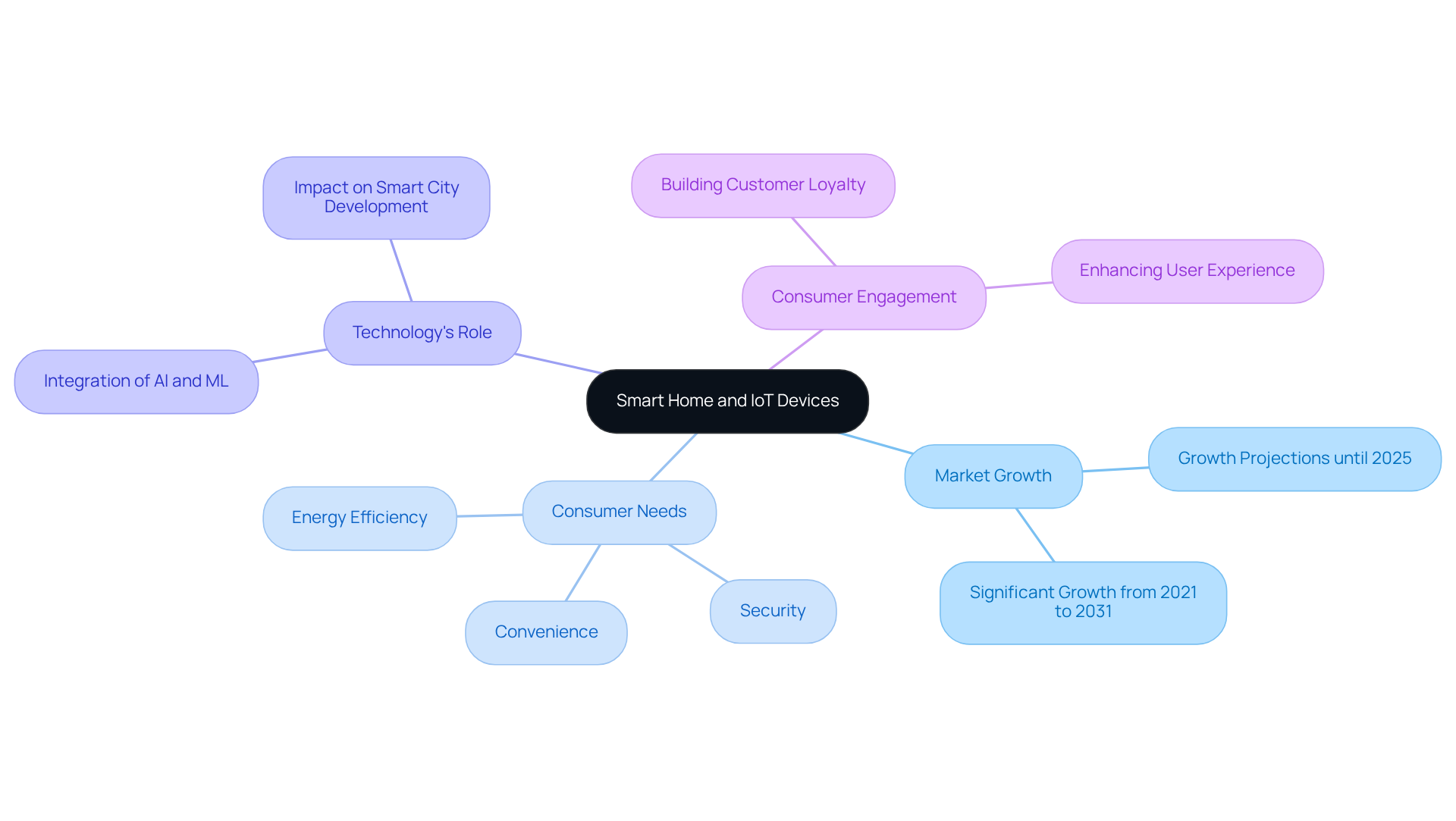
The fast-growing Indonesia consumer trends show how smart home and IoT device adoption leads to major improvements in daily life and user engagement. The smart home market will expand significantly until 2025 because Indonesian consumers increasingly want convenient, secure, and energy-efficient solutions. The IoT market will experience substantial growth from 2021 to 2031 according to Indonesia consumer trends because smart devices have become fundamental for contemporary living.
Companies that develop smart solutions will fulfill customer requirements while building new possibilities to connect with customers and maintain their loyalty. The trend shows technology's essential role in building contemporary user experiences because 81% of people believe IoT will be vital for smart city development and resource management. The market evolution enables brands that use IoT technologies to achieve strategic growth through enhanced consumer interaction by following Indonesia consumer trends.
Conclusion
The Indonesian consumer market experiences fundamental changes because digital connectivity growth meets increasing incomes and changing consumer values. The market approaches 2025; thus, businesses need to adjust their strategies to match contemporary Indonesian consumer preferences. The market environment demands companies to adapt because it unites rapid e-commerce expansion with increasing wellness consciousness and powerful sustainability requirements.
Social media influence stands as a major trend together with convenience as a priority and the need for distinctive experiences. The expanding middle class demands businesses to comprehend the changing ways this demographic group makes purchases. People want to live more efficiently and modernly, so businesses must lead technological progress because they adopt fintech solutions and smart home technologies.
The consumer trends in Indonesia will stay important as the country advances. Businesses must understand market changes by establishing authentic customer relationships through ethical business practices. Their success in this competitive market depends on their ability to fulfill the diverse requirements of their evolving consumer base.