June 21, 2025
10 Key Consumer Trends in Malaysia Shaping Market Strategies
The following list presents the top 10 consumer trends in Malaysia which guide business market strategies.

Overview
The article identifies ten major consumer trends in Malaysia which guide market strategy development. The market demonstrates substantial influence from four major trends which include:
- Social commerce
- Sustainability
- Health awareness
- Mobile commerce
Businesses need to understand these trends because they develop from three main elements:
- Rising internet penetration
- Changing consumer values toward eco-friendliness and health
- Growing demand for personalized and convenient shopping
The changing consumer behavior requires businesses to adjust their strategies for success in the evolving market environment. Companies that grasp these trends will develop products which fulfill consumer requirements thus achieving better market standing and enduring growth.
Introduction
The Malaysian consumer market experiences major changes because of fast technological progress and changing social patterns. Businesses need to understand essential consumer trends to develop successful market strategies in this changing market environment.
What essential knowledge enables companies to match their products with Malaysian consumer preferences in 2025?
These trends offer what opportunities for businesses to build brand loyalty while increasing sales?
This research investigates the elements that influence Malaysian consumer behavior through an examination of:
- Digital engagement growth
- Sustainability trends
- Social media impact
- Personalized marketing requirements
The analysis of these market elements reveals practical business strategies which enable success in this evolving market.
Ubertrends: Leading Insights into Malaysian Consumer Behavior
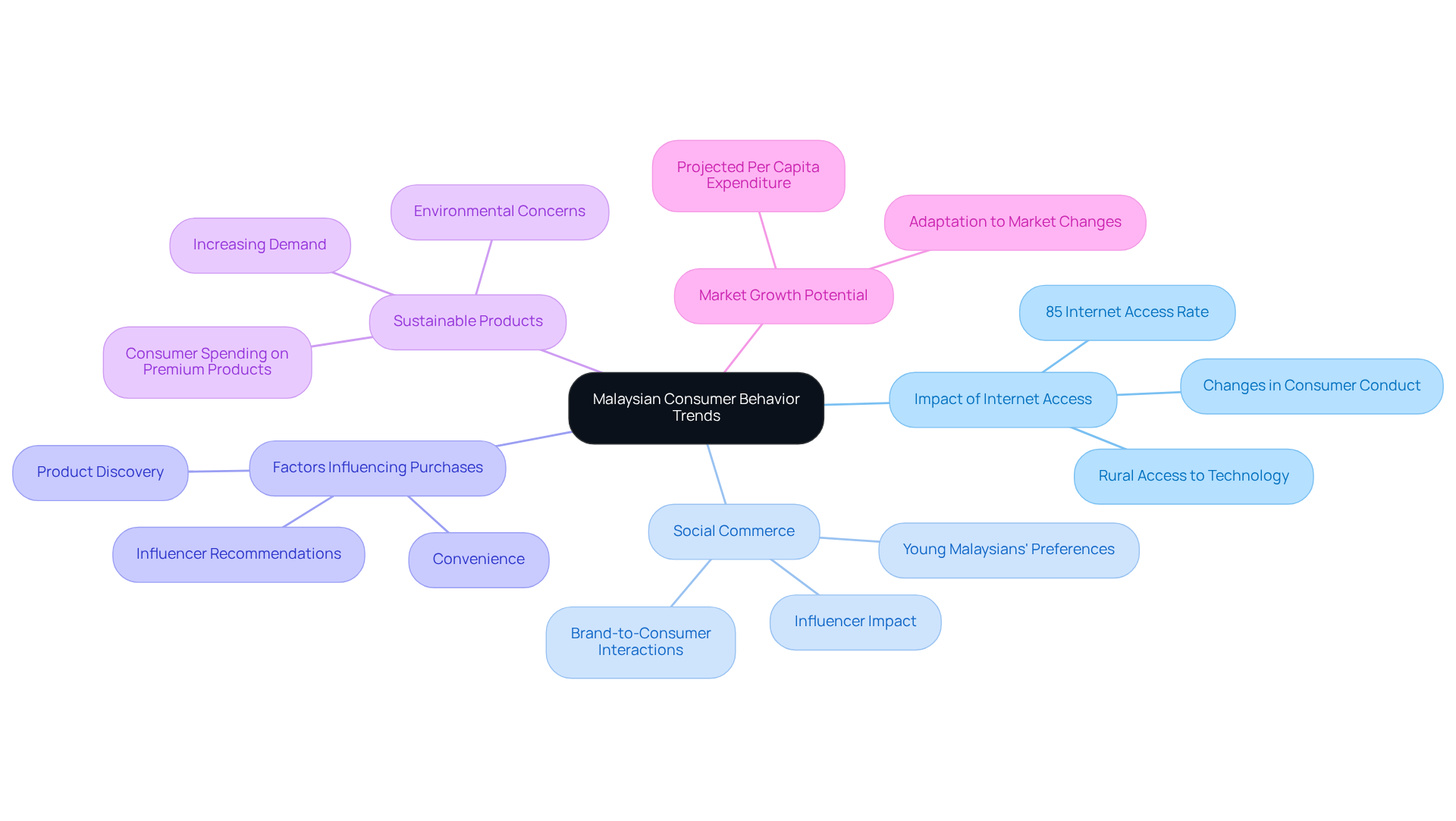
The report Ubertrends provides detailed research about consumer trends in Malaysia which shows dominant patterns that influence purchasing decisions. Businesses need to use trend intelligence to understand consumer trends in Malaysia because public expectations change quickly because of technological progress and social economic transformations. The more than 85% internet access rate in Malaysian households during 2021 triggered significant changes in consumer conduct throughout the nation particularly among rural residents who gained access to technological advancements.
Social commerce has revolutionized brand-to-consumer interactions because young Malaysians prefer buying products through social media platforms thus demonstrating significant consumer trends in the country. Social media users make purchases because of three main factors which include:
- Convenience
- The ability to discover new items
- Receive recommendations from influencers
The Malaysian market shows continuous growth potential because the projected 2025 per capita expenditure will reach US$268.93 billion.
Malaysian businesses succeed when they both detect market changes and actively implement adaptations. Market demand for sustainable products keeps increasing because consumers now select products that have environmentally friendly features. The premium pet food market has seen increased sales because consumers prefer to spend more on products which align with their personal values. Companies that understand Malaysian consumer trends can develop specific products which fit the varied requirements of their market to enhance their strategic approach.
Digital Engagement: The Rise of Online Shopping in Malaysia
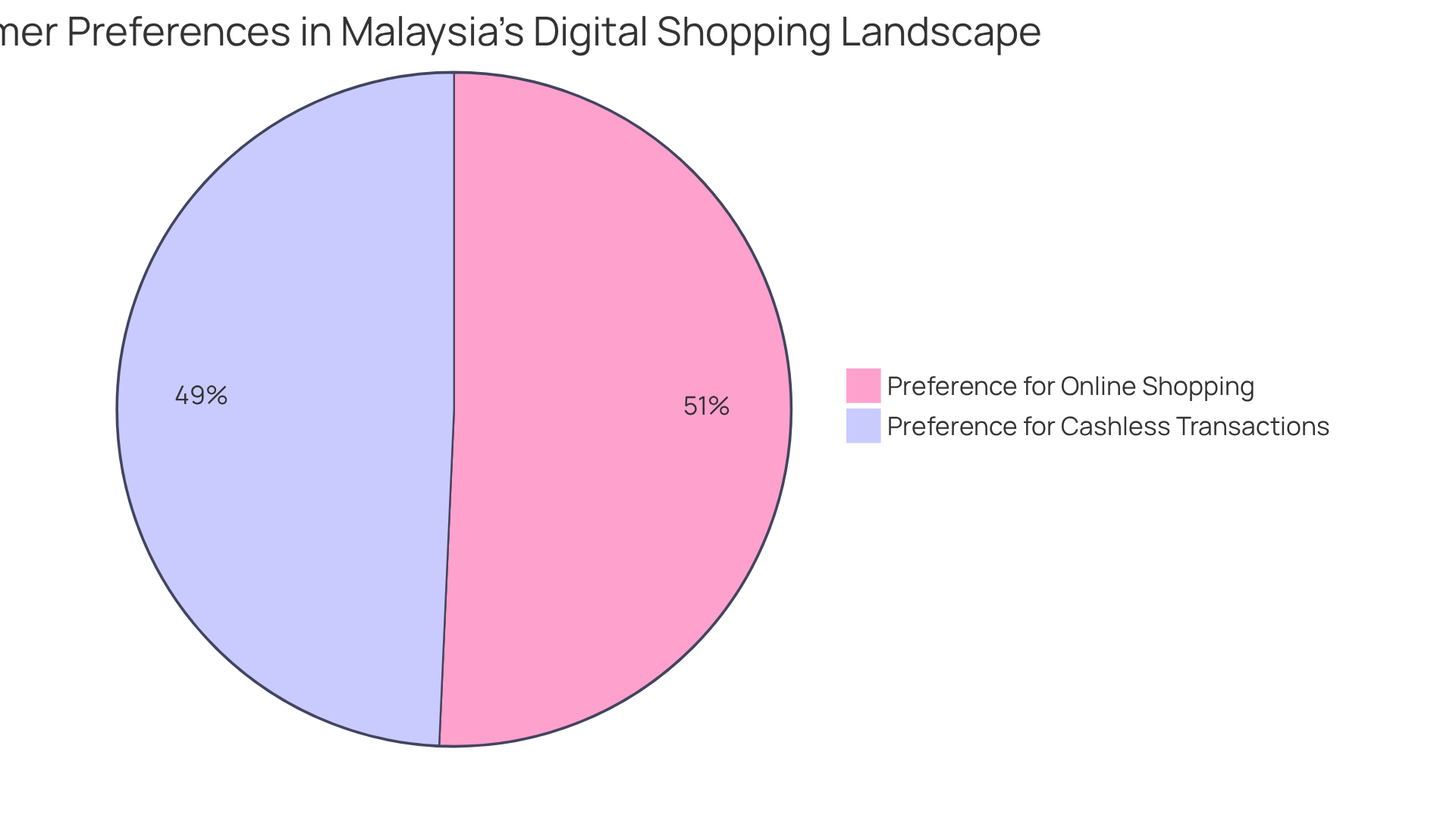
The digital shopping environment in Malaysia experiences rapid expansion because of better internet access and rising mobile device usage combined with changing Malaysian consumer behaviors. The retail market will see online shopping become a major contributor to sales by 2025 because of Malaysian consumer behavior. Online purchasing stands as the preferred choice for 72% of Malaysian consumers because it offers convenient shopping and fast delivery services which match the current Malaysian consumer trends. Digital payment systems have become the preferred choice for 70% of Malaysian consumers who prefer cashless transactions.
Companies must implement various innovative approaches to remain competitive because of the fast-changing business environment. Online platforms require optimization for speed and user experience to achieve essential efficiency innovations. Industry leaders confirm that speed stands as the essential factor in today's market because fast-moving companies outperform their slower-moving competitors. Mobile commerce will dominate traditional non-mobile shopping by 2025 so businesses need to adjust their strategies to match the shifting consumer behavior in Malaysia.
Lazada and Shopee have achieved success in Malaysia's online market through their user-friendly interfaces and personalized shopping experiences that align with consumer trends in Malaysia. Businesses need to create flawless digital experiences because the market evolution requires them to match consumer trends in Malaysia and capture the growing online shopper base. Strategic innovation focus allows companies to fulfill current consumer requirements while developing digital retail competitive advantages similar to Amazon.com's fight against traditional retail giants. Businesses need to create innovation strategies which include efficiency, sustaining and disruptive innovations to handle the complex nature of this evolving market.
Sustainability: Consumer Preference for Eco-Friendly Products
The Malaysian consumer market shows a significant change in purchasing behavior because people have developed environmental awareness which leads to current Malaysian consumer demand for sustainable products. The consumer trends in Malaysia follow this pattern across various sectors including food, fashion, and personal care. Companies that practice sustainability while keeping their sustainability initiatives transparent will achieve better customer success rates.
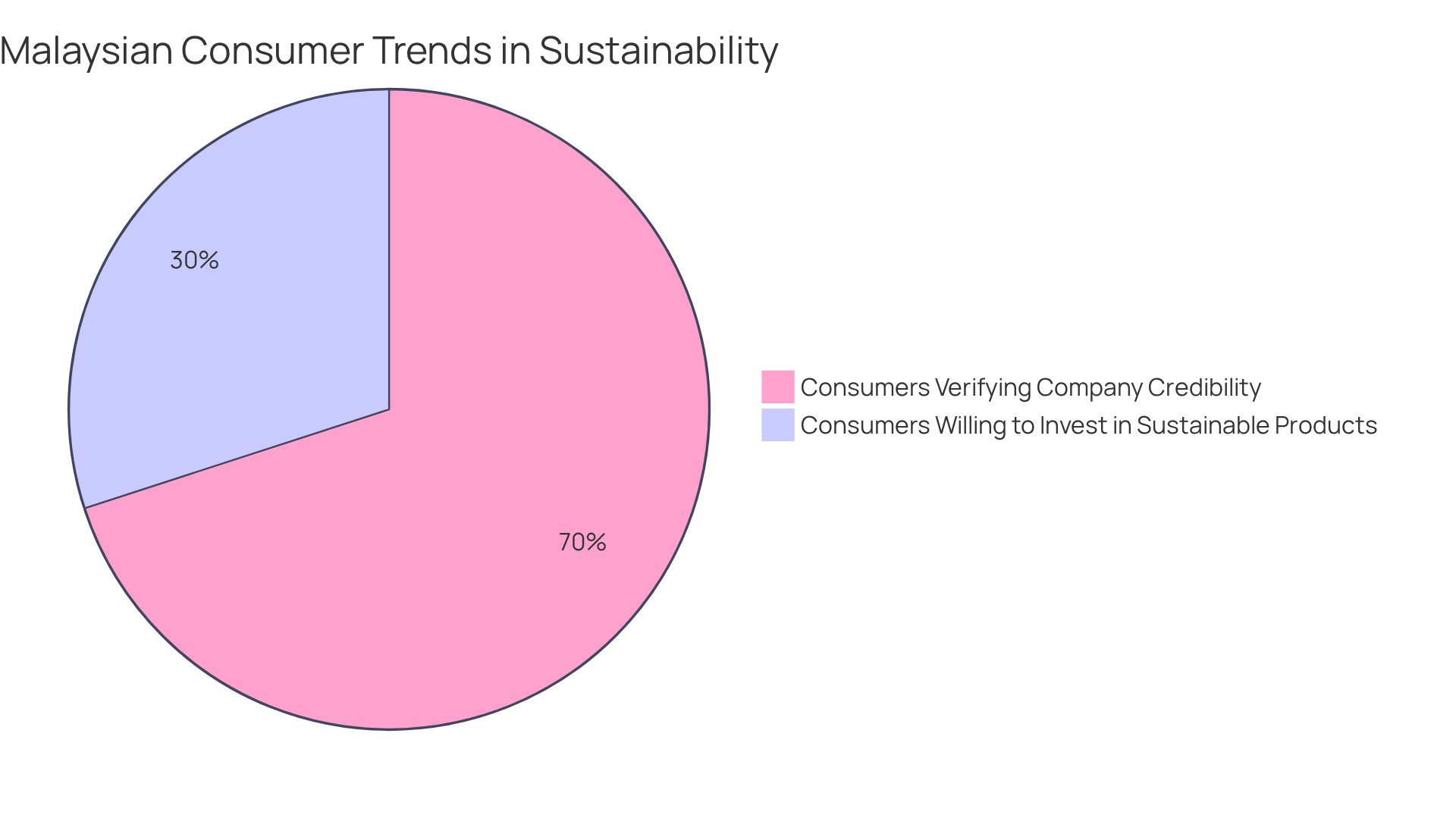
The PwC 2024 Voice of the Buyer Survey reveals that:
- 70% of consumers verify company credibility through reviews before making a purchase.
- A substantial portion of Malaysian consumers demonstrate willingness to invest extra money in sustainable products which aligns with present market developments in Malaysia.
Businesses need to understand Malaysian consumer trends because they serve as a critical element for market success. The market shows an increasing demand for sustainable products during 2025 because consumers want brands that share their values and protect the environment. According to Margaret Mead, we need a society so we must protect the environment because destruction of the environment leads to no society.
Health Consciousness: The Shift Towards Healthier Food Options
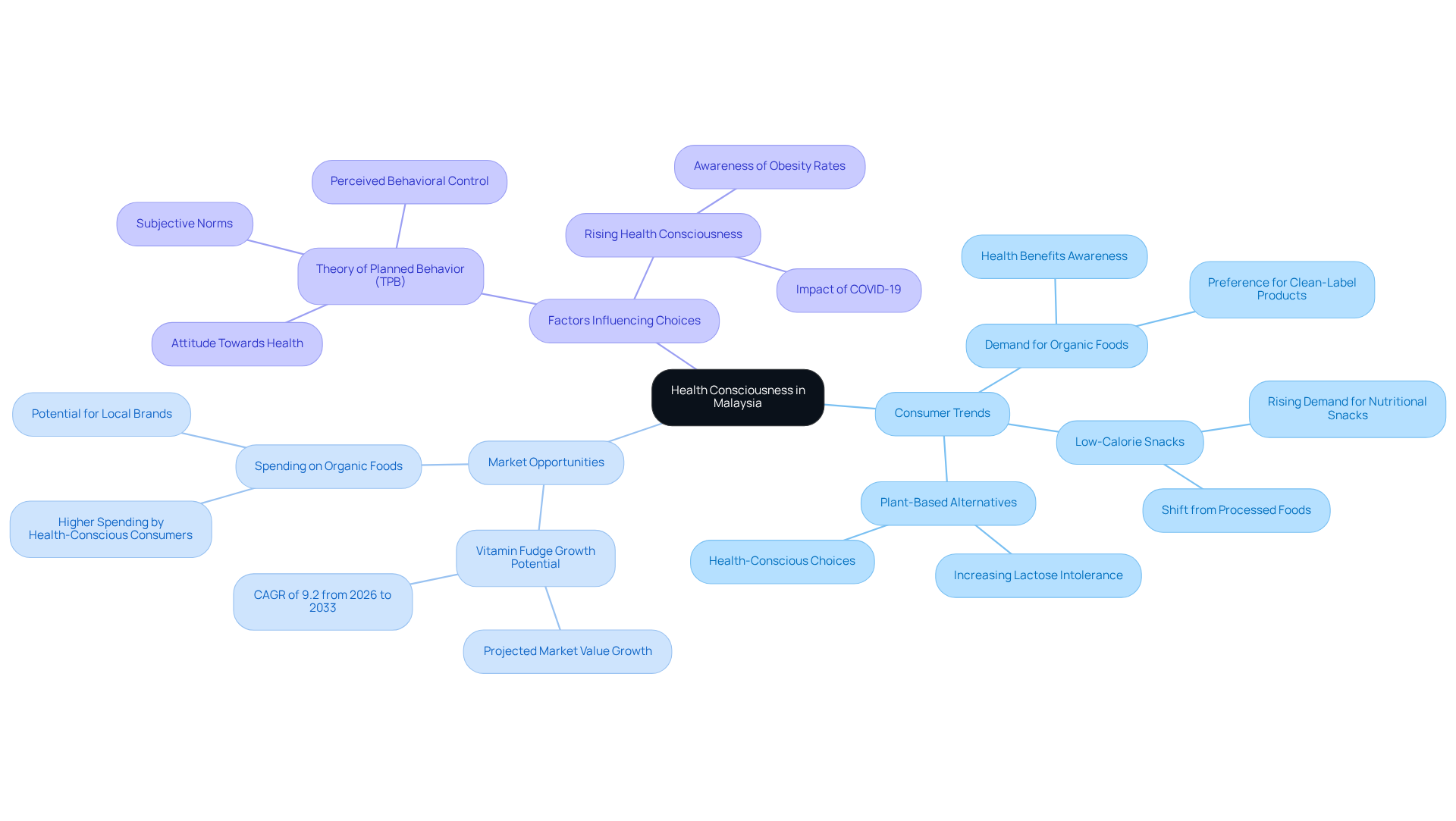
Malaysian consumers are changing their dietary choices toward organic nutritious food because of rising interest in healthier eating. The Malaysian consumer trends demonstrate a direct link between rising health consciousness and the COVID-19 pandemic which has reshaped food preferences across the nation. The rising demand for low-calorie snacks and plant-based alternatives and functional foods indicates Malaysian consumers are adopting healthier lifestyle choices.
Brands that successfully market health-focused products will achieve success among consumers who value health. Nutritionists have observed a significant shift from poor-quality processed foods because Malaysians are choosing more nutritious food options. Businesses need to transform their existing products to match Malaysian consumer preferences by displaying health benefits in order to reach this emerging market segment.
The Vitamin Fudge Market demonstrates potential for growth from its current USD 1.2 billion value in 2024 to reach USD 2.5 billion by 2033. The companies which adapt to these customer requirements will succeed in this competitive market. The Malaysian consumer trends align with the need for better eating habits because 44.4% of adults have BMI levels above 25. People who prioritize health spend more money on organic food quality which presents a profitable business opportunity to companies serving this market.
The Theory of Planned Behavior (TPB) model shows how different factors affect people's decisions regarding organic food product purchases.
Social Media Influence: Shaping Consumer Choices in Malaysia
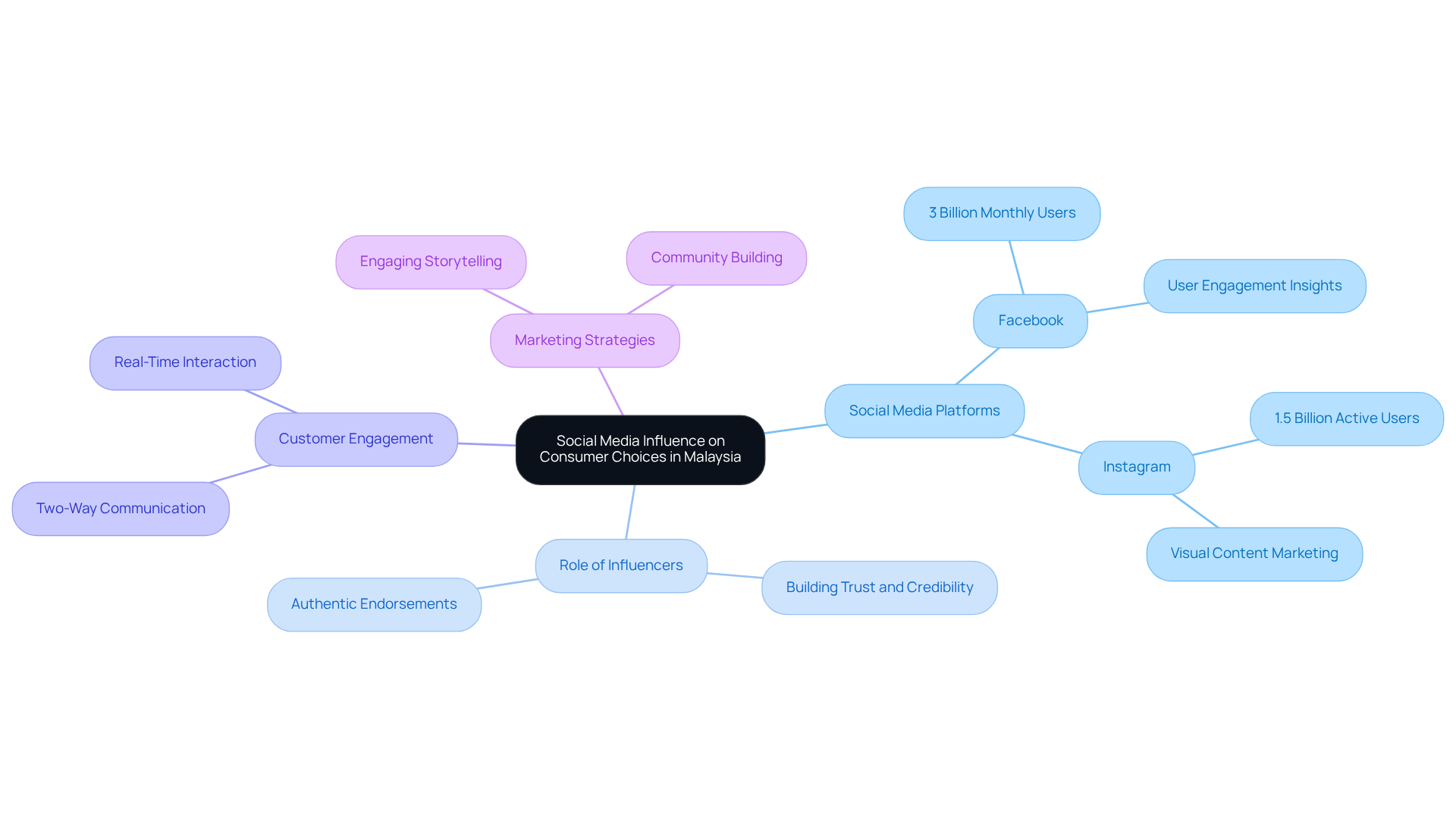
The majority of Malaysian consumers allow social media platforms to influence their purchasing decisions because they actively use Instagram and Facebook. The social networking platform Facebook reaches 3 billion monthly users worldwide while Instagram supports more than 1.5 billion active users. Businesses find this environment highly beneficial to interact with their consumer base. The photo-sharing application Instagram started operations in 2010 but evolved into an essential business tool through which companies present their products using high-quality visual content and compelling content featuring influencers.
The purchasing decisions of consumers are heavily influenced by influencers because their endorsements serve as a powerful factor. Companies that choose suitable influencers build trust and credibility with their target market through these partnerships. Social media functions as both a marketing channel and a vital platform for customer feedback exchange. Companies that respond promptly to customer inquiries through social conversations build stronger relationships which results in higher customer loyalty.
The social media promotional trends in Malaysia show consumer preferences which force companies to create strategic plans. Authentic interactions together with engaging storytelling approaches represent the two key elements for successful marketing campaigns. Marketing specialists state that social media functions as more than a one-way broadcasting tool because it needs actual human interaction. Users now seek authentic influencer marketing endorsements because they want recommendations from trustworthy sources who share relatable content. A company should focus on building community relationships and maintaining two-way dialogue to create loyal customers who feel important and connected.
The success of social media in Malaysia requires knowledge about Malaysian consumer behavior along with effective influencer partnerships and meaningful customer interactions. Companies that modify their strategies to match these changing market trends will achieve better success in their competitive market.
Personalization: Tailoring Marketing Strategies for Malaysian Consumers
The strategy of personalization functions as an essential method to engage Malaysian buyers because brands use data analytics to understand Malaysian consumer trends. Businesses develop marketing campaigns that establish deep audience connections through their analysis of data insights. The approach delivers personalized product recommendations along with tailored promotions and customized messages which directly meet individual needs.
Research indicates that:
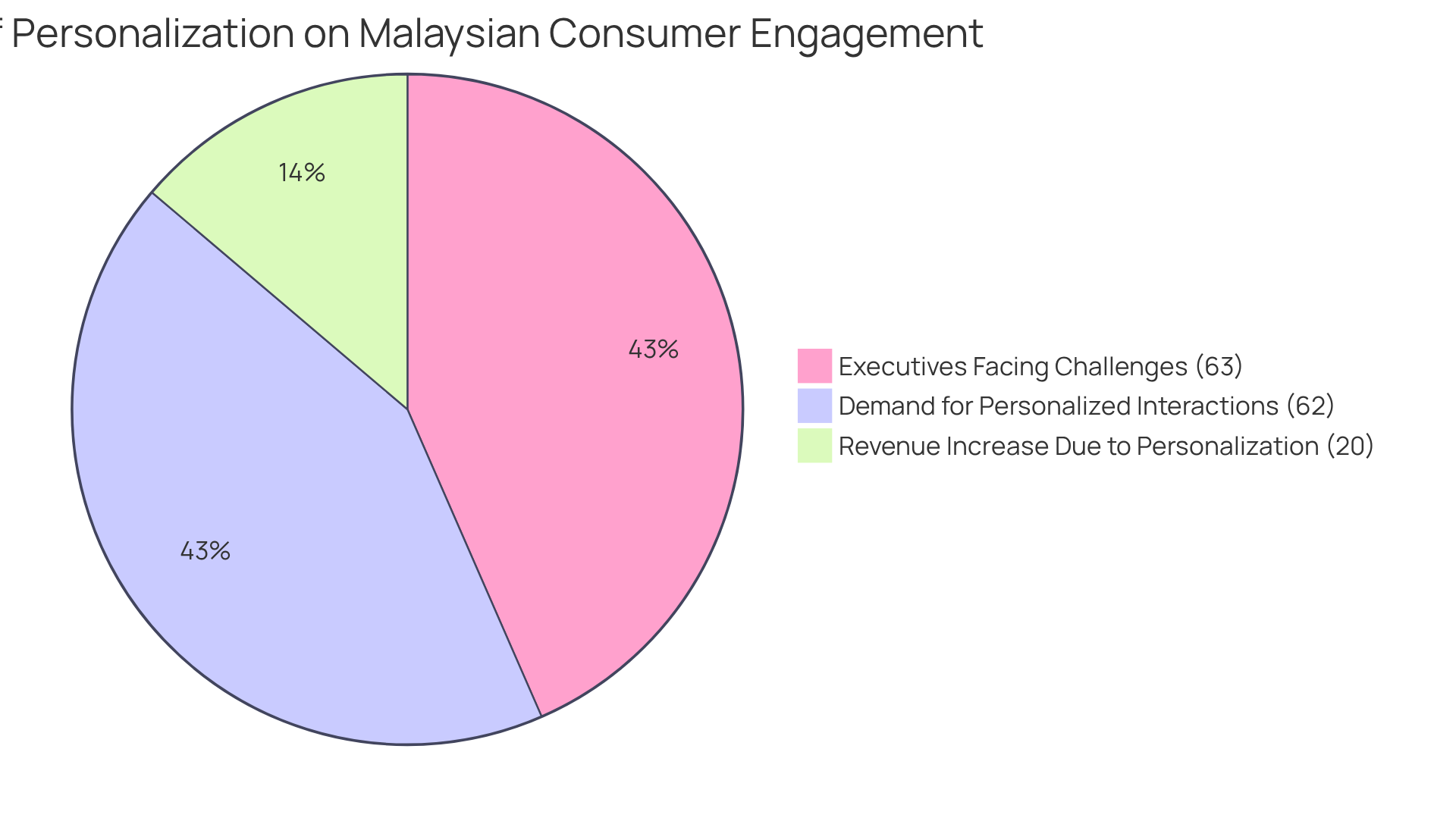
- 62% of customers demand personalized business interactions.
- Personalized approaches create better client satisfaction and loyalty.
- The implementation of personalized content strategies proves their financial value through revenue increases of 20%.
The upcoming 2025 period will witness advanced data analytics tools enhance these initiatives through content delivery that matches and predicts customer needs. The implementation of data analytics in Malaysia has achieved positive results because brands use personalization strategies to access consumer trends which results in improved engagement and sales growth.
Digital marketing executives face challenges in delivering customized customer experiences because 63% of them operate in this evolving field.
Experiential Consumption: The Demand for Unique Customer Experiences
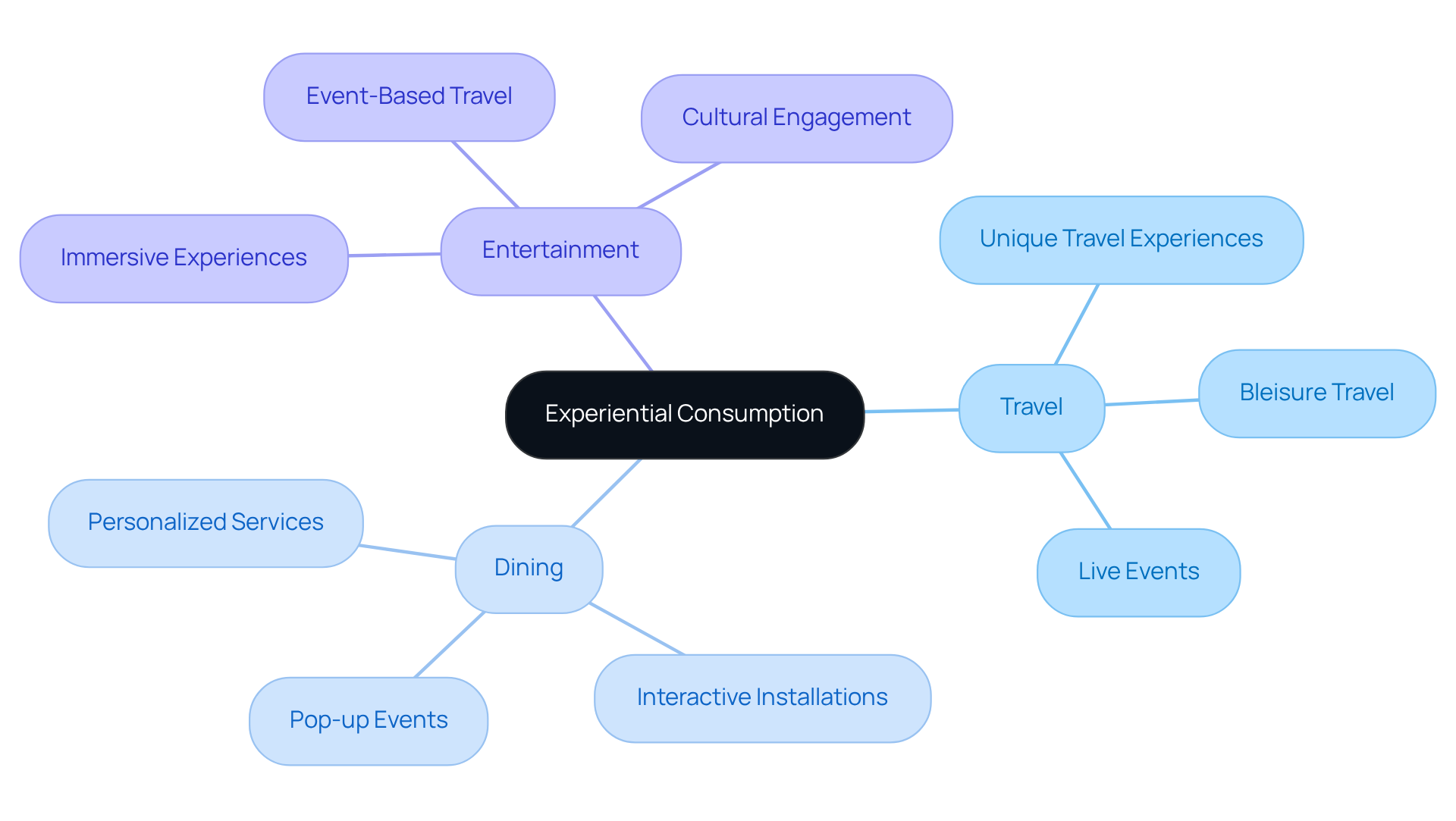
The Malaysian consumer market shows increasing interest in experiences instead of material goods, which has resulted in significant growth of experiential consumption across travel, dining, and entertainment sectors. People in 2025 seek unique, unforgettable experiences that align with their personal values and aspirations. The travel industry reached its highest spending levels since 1960 because people seek distinctive experiences.
The competitive market favors brands that create immersive experiences through:
- Pop-up events
- Interactive installations
- Personalized services
Industry leaders confirm that delivering experiences which justify payment stands as the primary factor for customer loyalty instead of depending solely on product offerings. The experience economy shows strong growth among Gen Z and Millennials, so businesses that adapt to Malaysian consumer trends and these evolving preferences will meet market demand and achieve market leadership.
Brand Loyalty: Navigating Changing Consumer Expectations
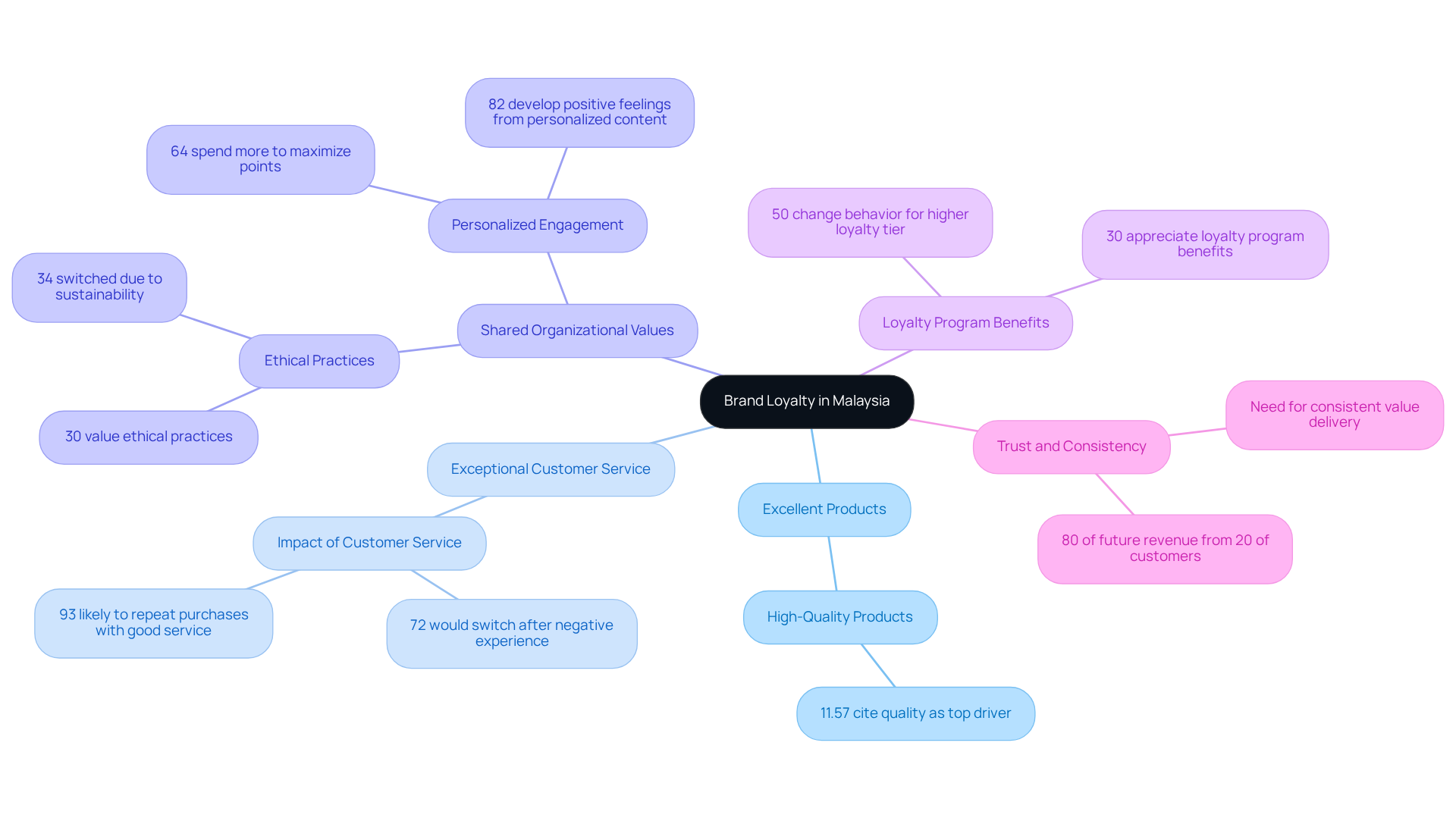
The Malaysian consumer market demonstrates substantial changes which result in shifting brand loyalty because consumers now base their choices on value. The three main loyalty factors include:
- Excellent products
- Exceptional customer service
- Organizational values that customers share
The Malaysian consumer market will prioritize ethical and transparent practices by 2025 because 30% of consumers reveal that irresponsible data usage breaks their loyalty. The loyalty program benefits continue to matter to 30% of customers because they strengthen customer loyalty.
Organizations that maintain active customer engagement while demonstrating social responsibility commitment will establish enduring customer loyalty because 82% of consumers develop more positive feelings toward organizations after receiving personalized content. The 64% of loyalty program members who aim to maximize their points through increased spending require personalized engagement strategies.
Businesses need to build trust through consistent value delivery and ethical practices to match the changing consumer trends in Malaysia. The financial value of brand loyalty becomes evident because 80% of future revenue will come from 20% of existing customers.
Mobile Commerce: The Shift Towards Shopping on Mobile Devices
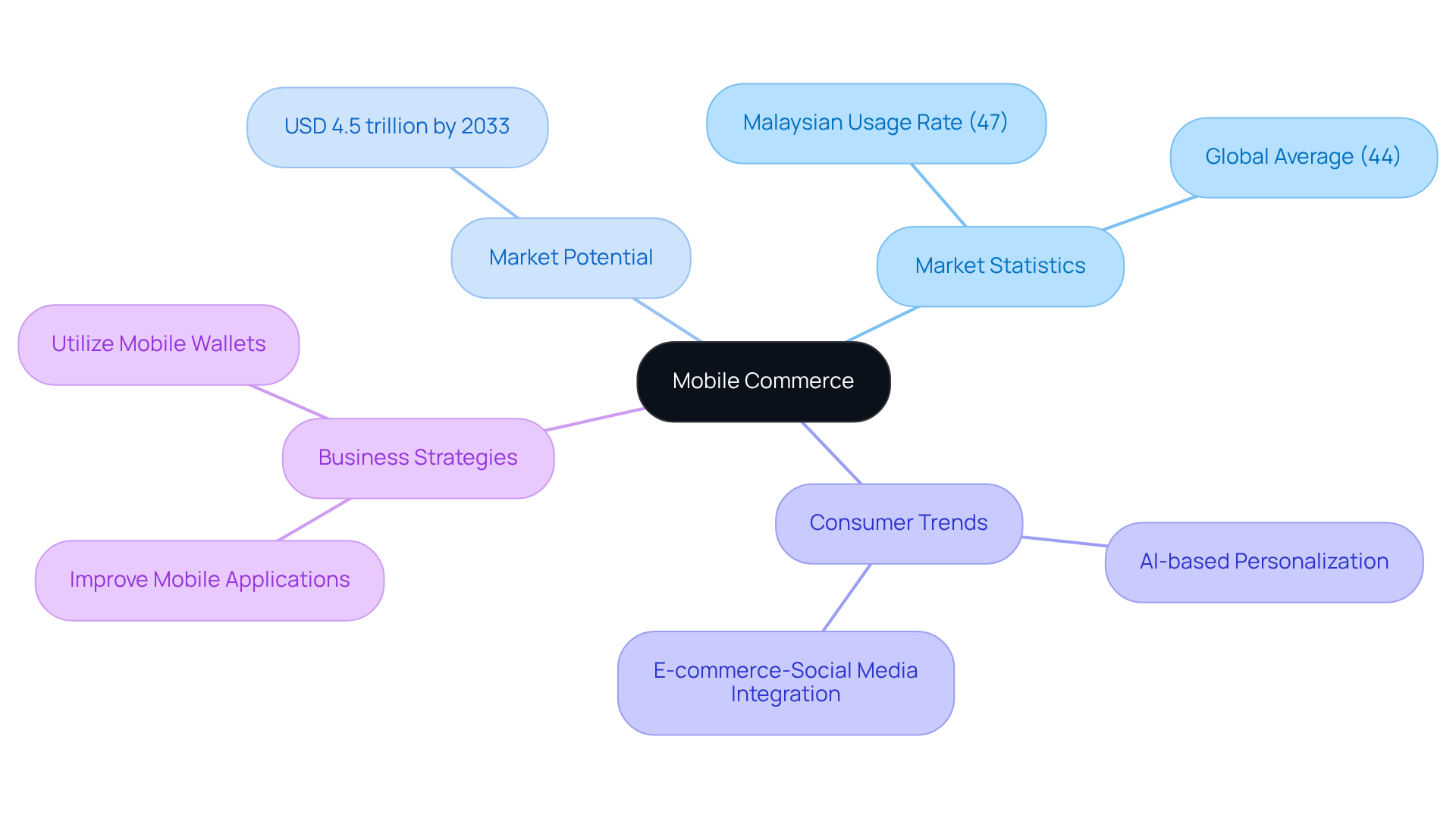
The mobile commerce market in Malaysia has expanded rapidly because Malaysian consumers now exceed the global average by using mobile shopping at a rate of 47% compared to 44%. The market shows potential to reach USD 4.5 trillion by 2033 because smartphones provide convenience and mobile payment solutions gain popularity.
Businesses seeking to benefit from this trend should focus on improving their websites and applications for mobile use to deliver a smooth shopping experience. Mobile wallets together with one-click purchasing systems play a vital role in enhancing customer satisfaction while increasing sales.
The mobile shopping market in Malaysia is evolving because consumers now prefer AI-based personalized shopping and e-commerce-social media integration according to recent market trends. Mobile shopping applications in Malaysia such as Shopee and Zalora demonstrate how customized user interfaces boost shopper engagement and loyalty.
Businesses need to adapt to mobile technology advancements because this market remains highly competitive.
Value-Driven Purchasing: The Focus on Cost-Effectiveness in Malaysia
The present economic situation indicates that Malaysian consumers select their purchases based on getting the best value for their money. The current market demonstrates that Malaysian consumers actively seek products which deliver the highest value at affordable prices because they experience increasing expenses and economic instability.
Research indicates that:
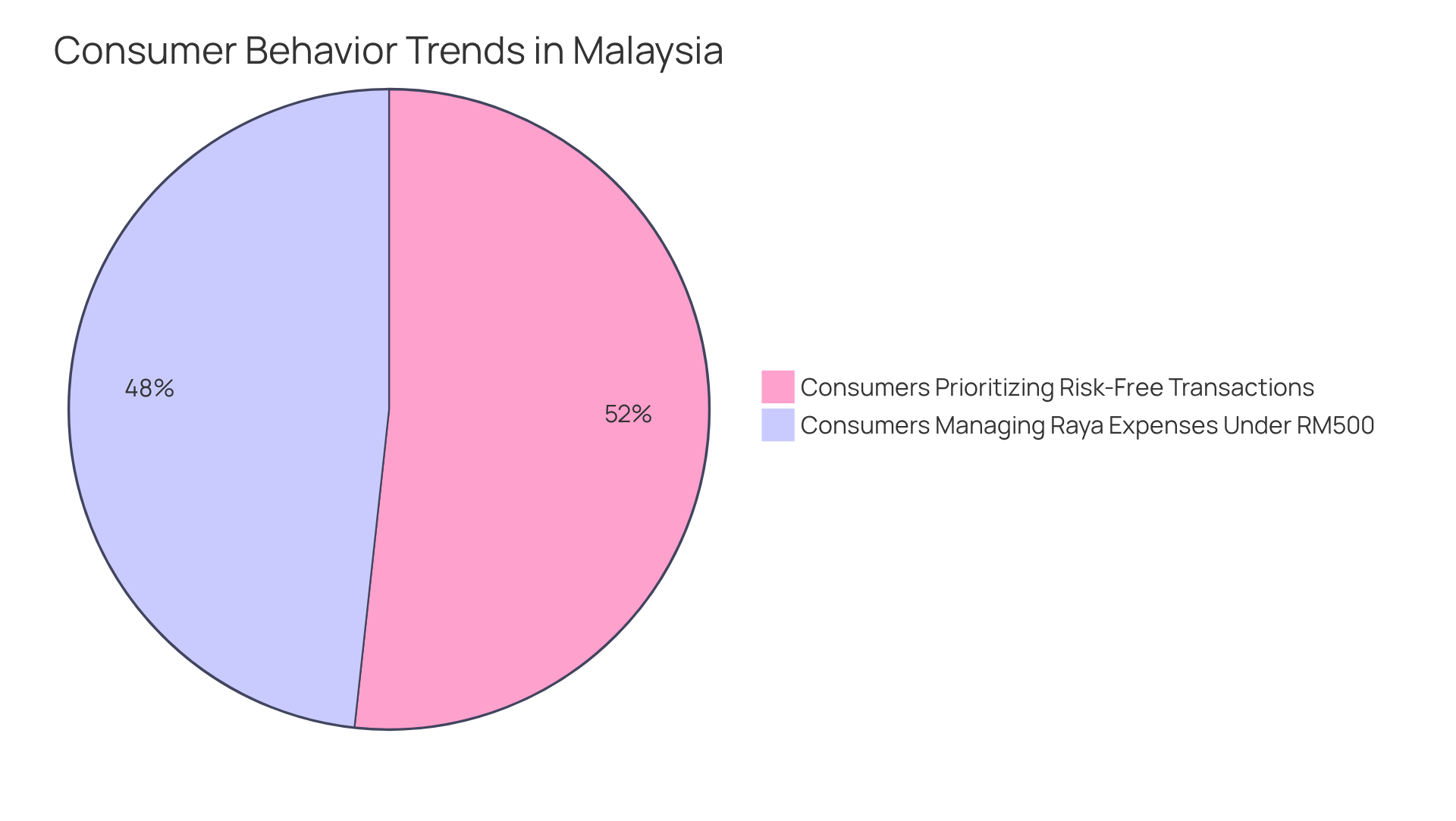
- 70% of consumers manage their Raya expenses by keeping them under RM500.
- The market undergoes a significant shift toward responsible spending habits.
Through its promotional strategies which combine discounts with cashback benefits, Shopee has successfully attracted price-conscious customers.
Businesses need to establish competitive pricing strategies that combine bulk purchase discounts with loyalty programs while clearly showing the value proposition of their products to succeed in the Malaysian market. This strategy enables businesses to fulfill the growing demand for affordable prices while maintaining customer loyalty during economic challenges.
The survey reveals that:
- 75% of consumers select risk-free transactions and platform reliability because trust stands as a critical factor in their purchasing decisions.
Businesses that understand these market trends will create strategies which align with consumer behavior in Malaysia to achieve success in competitive market conditions.
Conclusion
The Malaysian consumer market demonstrates changing trends because of technological advancements and social transformations and shifting consumer preferences. Businesses need to understand these trends because they must match their strategies to the evolving expectations of Malaysian consumers who want convenience alongside sustainability and personalized experiences.
The analysis reveals that online shopping and mobile commerce dominate current market trends because consumers now choose digital platforms for their buying needs. The growing demand for sustainable products along with healthier food choices indicates that consumers are adopting more responsible purchasing habits. Brands need to build authentic relationships with their target audience because social media directs purchasing choices.
The Malaysian market demands business flexibility because it remains in a state of continuous transformation. Businesses that combine innovation with sustainability and authentic consumer relationships will build lasting brand loyalty and achieve market success in competitive environments. Companies that adapt their strategies to meet new consumer requirements will succeed in the evolving Malaysian market throughout 2025 and beyond.