June 5, 2025
10 Influential 90s Food Trends Shaping Today's Culinary Landscape
Fusion cuisine, organic foods, convenience products, and other 1990s food trends still shape today's menus and tastes.

Overview
The article investigates three major food trends of the 1990s which include:
- Fusion cuisine
- Organic foods
- Convenience products like Lunchables
These trends demonstrate their enduring influence on contemporary food culture. They reveal fundamental aspects of our food culture because they demonstrate a shift toward eating various and health-conscious patterns. These enduring trends show fundamental advantages in present-day dining choices because consumers now want diverse food options that are convenient. The analysis of these trends gives consumers and industry stakeholders vital information to better navigate modern food choices.
The analysis of these trends shows their nature and their significance. The rise of fusion cuisine shows how modern consumers want to experience different culinary flavors from various cultures which defines contemporary dining choices. The trend develops because of globalization and rising cultural exchange that gives consumers access to more food choices than they had before. Our ability to identify these patterns enables us to create culinary strategies that meet evolving consumer requirements.
The enduring influence of 1990s food trends proves that businesses need to track consumer preferences. Our examination of these changes demonstrates that accepting diverse food options meets market needs while allowing us to explore fresh culinary possibilities. The knowledge presented in this text delivers practical information which enables readers to make informed decisions about their culinary activities.
Introduction
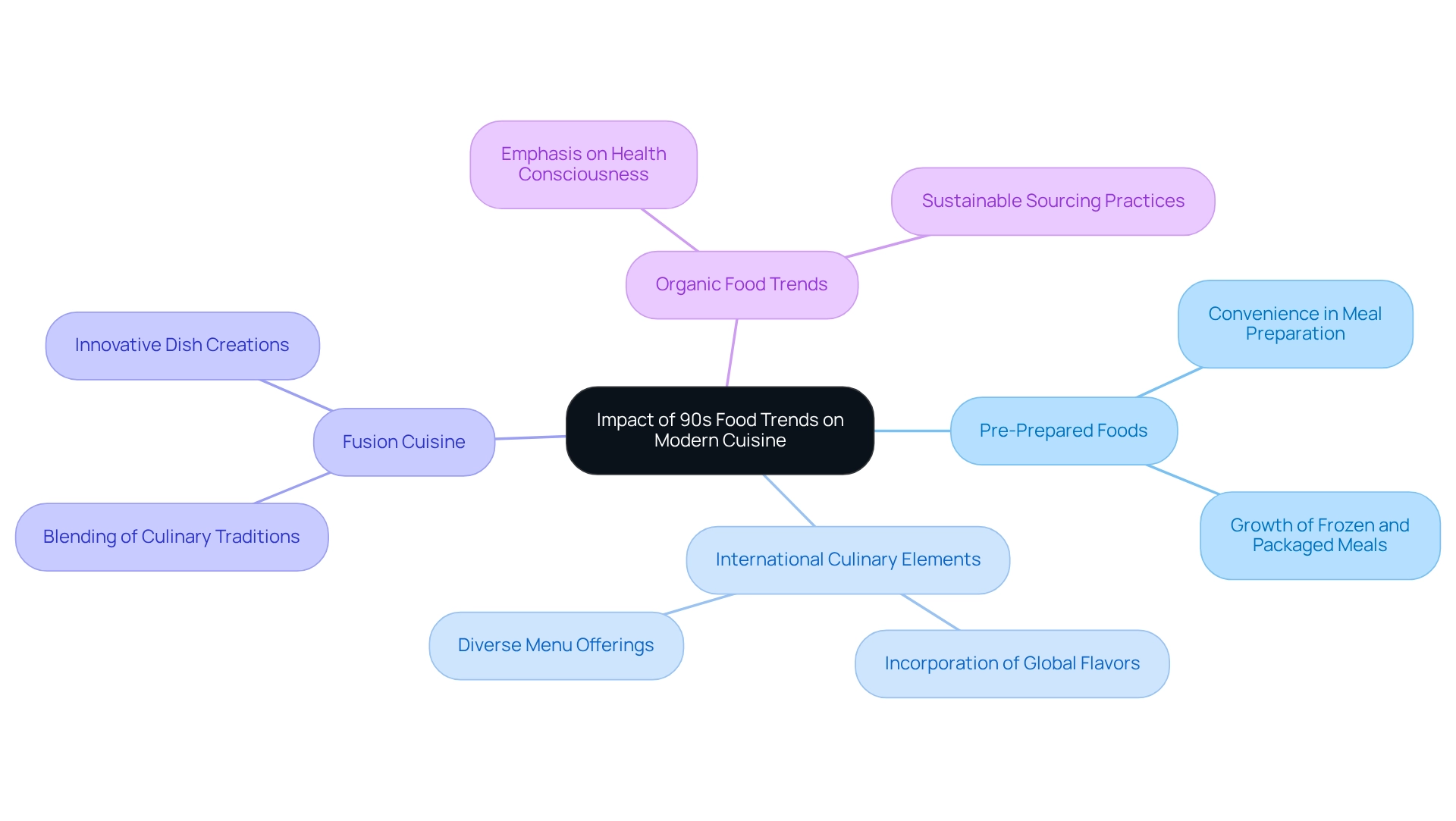
The modern culinary world exists because of the revolutionary food trends which emerged during the 1990s to transform dining experiences. The 1990s food trends which included convenience food growth and fusion cuisine adoption permanently changed both menu offerings and consumer food choices. The development of eating habits requires knowledge about the beginnings of contemporary food trends because people today prioritize health and sustainability together with diverse flavors. This research investigates the fundamental characteristics of 90s cuisine by analyzing its essential ingredients, cooking techniques, and cultural shifts which created the diverse food culture of today.
Ubertrends: Analyzing the Impact of 90s Food Trends on Modern Cuisine
The 1990s emerged as a pivotal time for food because various eating trends from that decade still shape modern culinary practices. The 1990s witnessed the expansion of pre-prepared foods and international culinary elements which laid the foundation for modern dining traditions. The lasting impact of these trends manifests through their ongoing influence on consumer food preferences and restaurant menu presentation. The fusion cuisine and organic food trends of the 1990s developed a dining culture that emphasizes both diversity and health consciousness in modern eating habits. The historical significance of these developments becomes apparent through their analysis while providing us with tools to understand the current culinary world.
Sun-Dried Tomatoes: The 90s Ingredient That Revolutionized Flavor Profiles
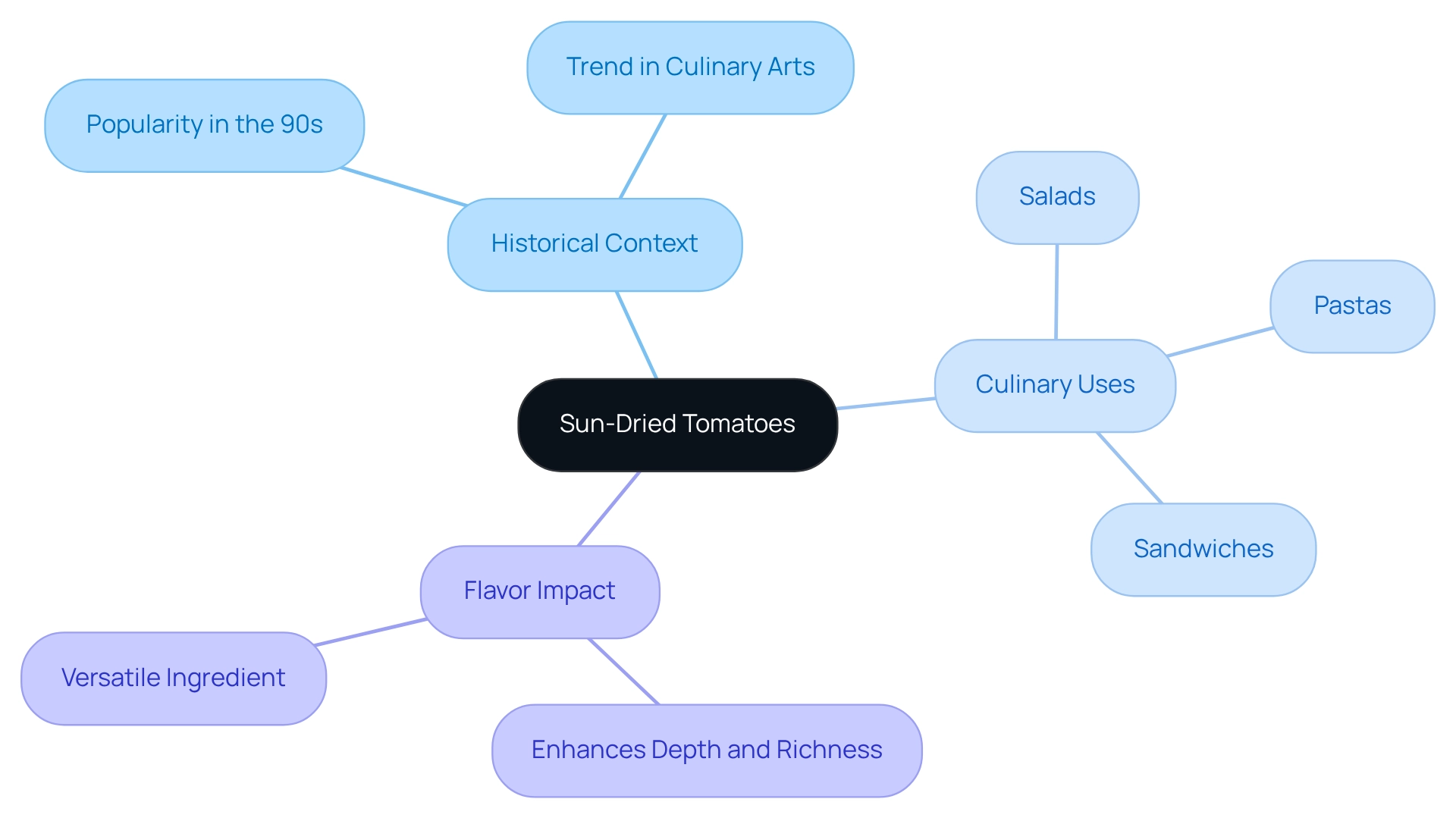
Sun-dried tomatoes gained popularity as a food trend in the 90s because of their intense flavor and versatility in cooking. Chefs incorporated sun-dried tomatoes into salads, pastas, and sandwiches to elevate ordinary meals into sophisticated dishes. The trend demonstrates how sun-dried tomatoes function as a flexible ingredient which enables creative cooking. Sun-dried tomatoes remain in contemporary kitchens because they enrich recipes with depth and richness without losing their culinary worth. The trend of using sun-dried tomatoes shows that consumers still enjoy strong flavors which defined food trends from the 1990s. The development of taste preferences leads us to discover new methods for incorporating these ingredients into our domestic cooking.
Fusion Cuisine: Blending Global Flavors in 90s Culinary Trends
During the 90s food trends, fusion cuisine experienced its most important period because chefs began developing original combinations of different culinary traditions. The new approach introduced thrilling flavor pairings to restaurant customers while inspiring chefs to experiment with fresh culinary ideas.
During the 90s food trends, sushi burritos and Thai pizza emerged as two examples of dishes which satisfied adventurous eaters who sought unique dining experiences. Modern restaurant menus show the lasting impact of fusion cuisine because customers now experience food through a globalized taste perspective.
People in the present day select food choices which support longevity and well-being while making health-conscious dining decisions. According to fourth-generation pitmaster Barrett Black, the food industry will shift back to essential components during the next five years, with barbecue being the most impacted sector. This perspective shows how food trends continue to evolve.
Experts predict that fusion cuisine will continue to influence creativity in 2025 because they foresee a return to fundamental foods while contemporary culinary spaces adapt to meet different consumer preferences.

Low-Fat Diets: The 90s Health Craze That Changed Eating Habits
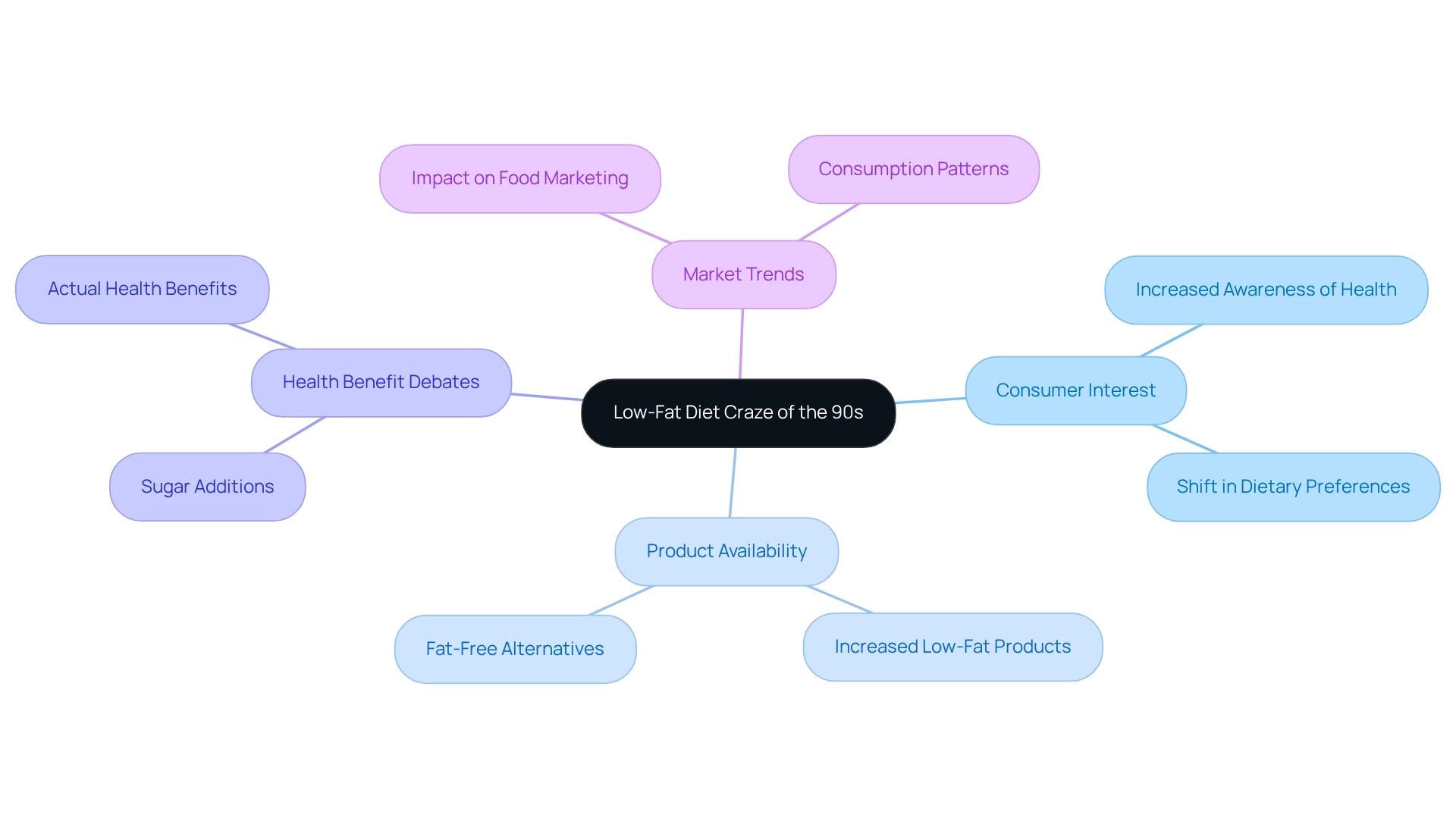
The 90s food trends led to a significant increase in low-fat and fat-free products in grocery stores because of the low-fat diet craze. People became more interested in health and nutrition which led to higher demand for low-fat products. Manufacturers started adding sugar and other ingredients to low-fat products to enhance taste which raised questions about their actual health benefits. The dietary pattern remains a topic of ongoing discussion among nutrition experts. The low-fat trend has evolved throughout time but its effects on food marketing and consumption patterns remains comparable to the market impact of 90s food trends. The historical development of this trend enables people to understand their present eating behaviors and make improved dietary choices for the future.
Molecular Gastronomy: The 90s Trend That Transformed Culinary Techniques
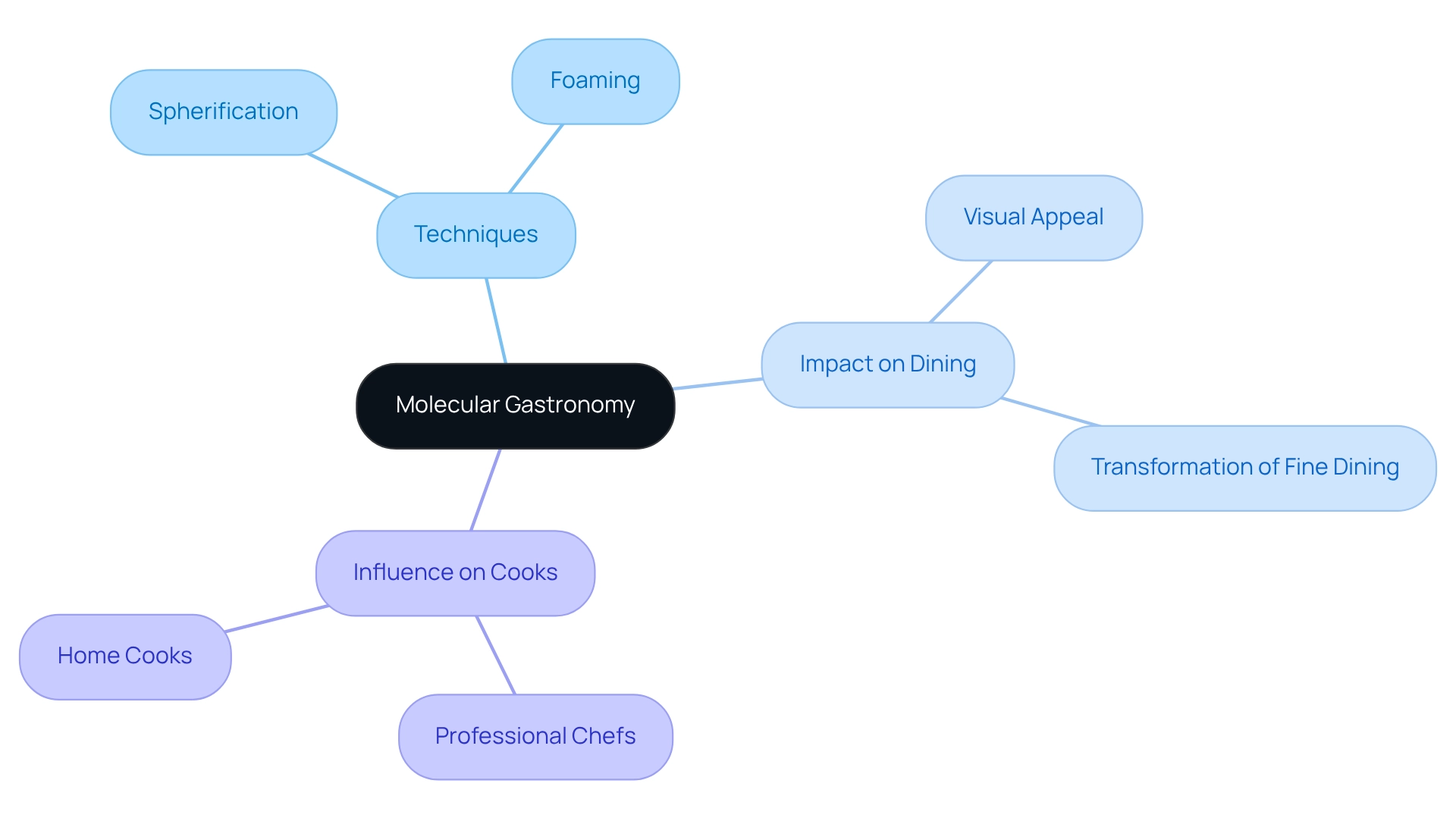
Molecular gastronomy emerged during the 1990s as part of the 90s food trends when chefs started using scientific methods in their kitchen work. The innovative approach has resulted in the development of dishes which both defy traditional cooking standards and transform the dining experience. The trend relies on spherification and foaming techniques to enable chefs in creating unusual food textures and flavors. These techniques deliver visual appeal to diners through their ability to create stunning presentations that make meals more attractive. This trend has revolutionized fine dining while motivating home cooks to adopt new cooking methods which have made scientific principles essential to culinary arts. Through molecular gastronomy both professional chefs and enthusiasts can improve their cooking skills which deepens their understanding of food science and art.
Lunchables: The 90s Convenience Food That Redefined Snacking
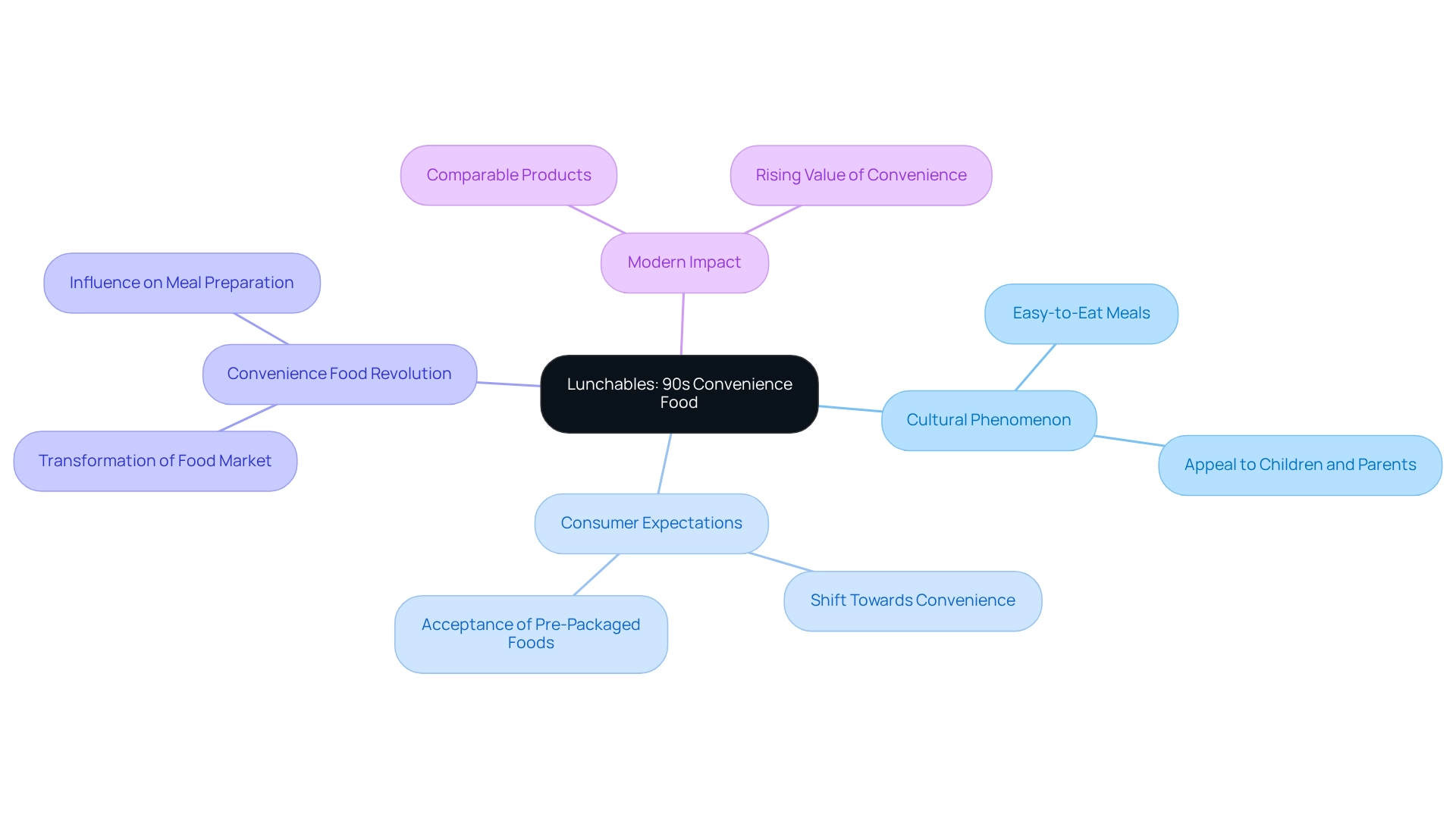
The 90s made Lunchables a cultural phenomenon because they provided easy-to-eat meals that aligned with popular food choices of both children and busy parents during that decade. The pre-packaged snack and mini-meal kits revolutionized the convenience food market. The success of Lunchables changed consumer expectations and made convenience foods more acceptable in the market which aligned with 90s food trends. The change has brought about a significant transformation in how people prepare and consume their meals in the present day. The enduring influence of Lunchables on contemporary eating habits becomes evident through the common presence of comparable products which demonstrate the rising value of convenience in modern lifestyles.
Molten Chocolate Cake: The Decadent Dessert That Became a 90s Icon
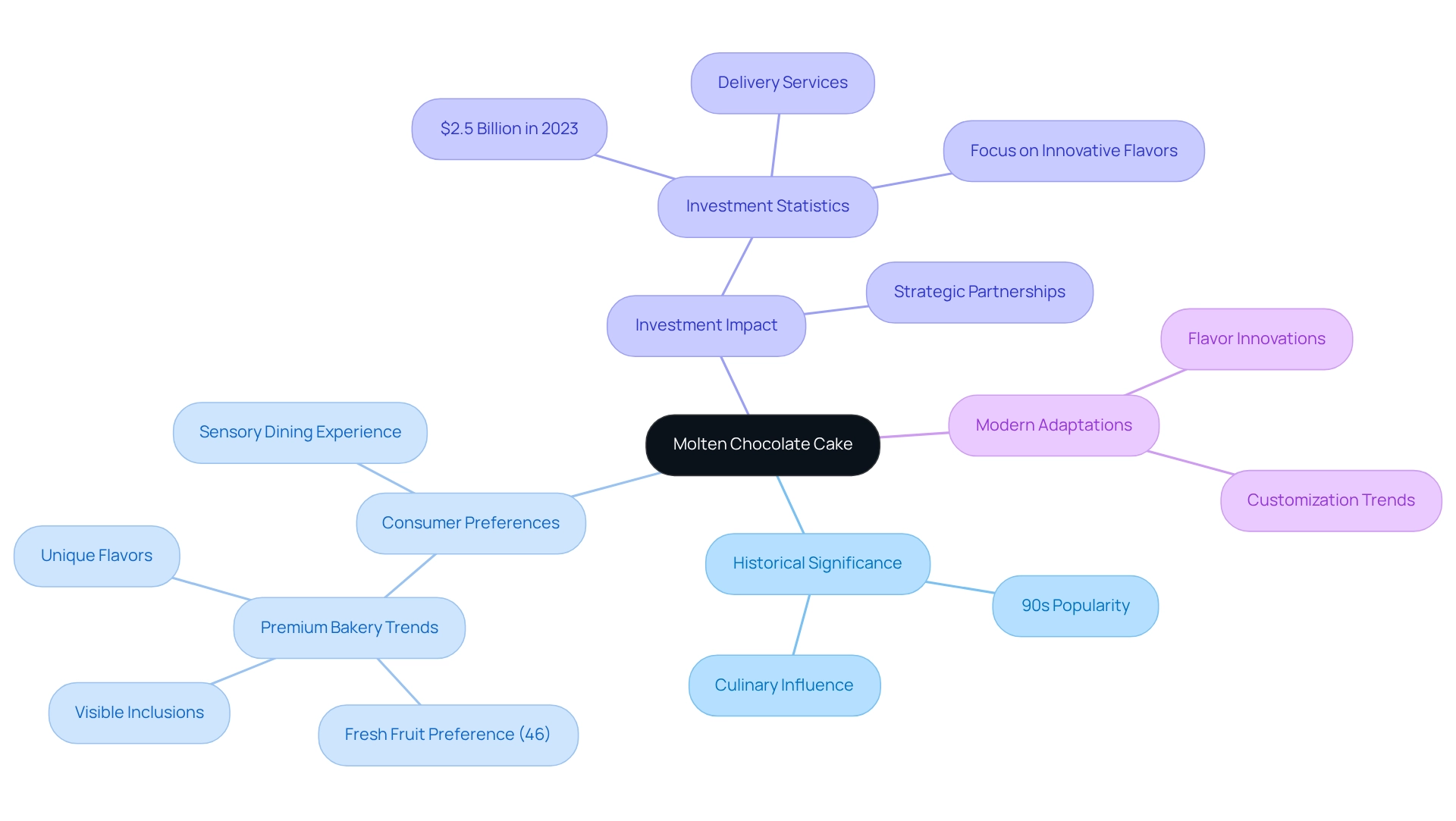
Molten chocolate cake, also known as lava cake, became a defining dessert of the 90s because of its deep taste and its molten core. The rich dessert gained instant popularity with diners who made it a permanent fixture on restaurant menus while reflecting the 90s food trends' love of decadence. The dessert remains popular today because different versions of molten chocolate cake appear in bakeries and home kitchens to demonstrate its flexibility.
The dessert has influenced modern dessert trends because it has moved past its nostalgic value. Baking Business research shows that premium bakery market consumers prefer fresh fruit and visible inclusions and unique flavors by 46%. The molten chocolate cake introduced a sensory dining experience which established an indulgent standard that contemporary consumers actively pursue.
The investment sector shows the importance of molten chocolate cake through its $2.5 billion venture capital funding for cake startups during 2023. The cake sector receives significant funding for innovative flavors and delivery services because consumers want convenient and customized products. The ongoing investment trend shows that molten chocolate cake remains a beloved dessert while driving food industry progress through its ability to transform consumer preferences into new creations.
Ethnic Cuisine: The 90s Trend That Expanded Culinary Horizons
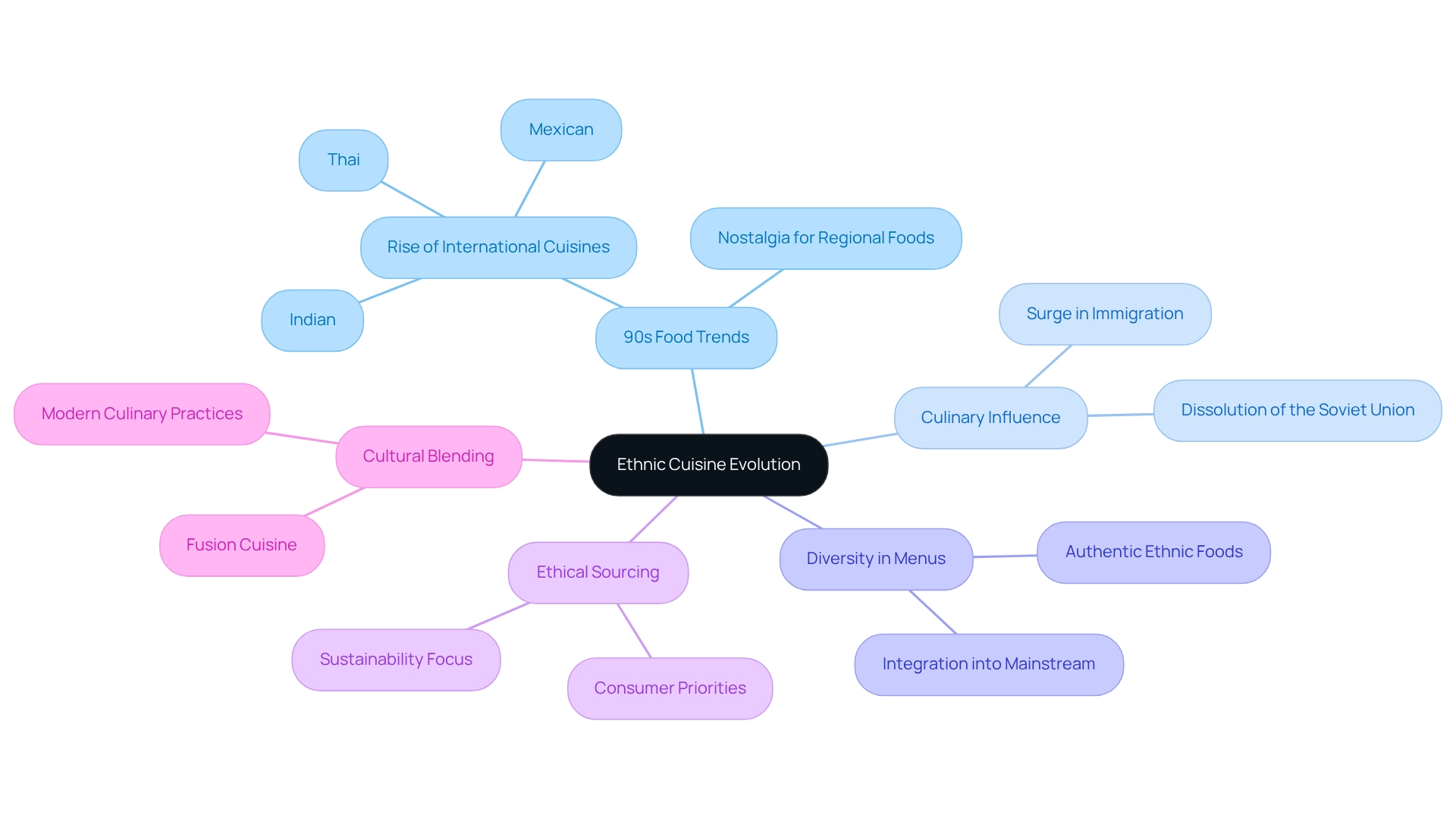
Food trends of the 90s led to the transformation of the food industry through the widespread adoption of international cuisines which became popular dining choices. Immigration numbers rose which introduced multiple international culinary traditions to the American food culture. Restaurant menus began offering a diverse selection of Thai, Indian, and Mexican dishes as well as other international options which made international dining accessible to numerous customers.
Ethnic food consumption remains dominant in 2025 while customers choose ethical sourcing practices as their top priority. Restaurants now serve authentic ethnic foods from responsible sources because research indicates that dining consumers base their restaurant choices on ethical factors. The present-day culinary world maintains the enduring impact that ethnic food trends brought during the 1990s.
The analysis shows how ethnic food elements reshaped the dining establishments of the present day. The dissolution of the Soviet Union in 1991 created a new geopolitical landscape that simultaneously changed American food consumption patterns. The period experienced global food trends while people rediscovered their native regional cuisines yet traditional Cuban cuisine suffered from economic difficulties.
Anya Von Bremzen describes this period as "a decade that's remembered really negatively in that former Soviet bloc" to show the complex relationship between cultural development and food evolution. The blending of different cultural culinary elements stands as a fundamental aspect of modern cooking because 90s food trends continue to shape contemporary culinary practices. Restaurant menus now feature ethnic dishes as their primary component which shows their full integration into the food industry mainstream. The advancement of ethnic cuisine will continue to be vital for modern dining while enriching the diverse culinary experiences of today.
Gourmet Fast Food: The 90s Trend That Elevated Quick Dining
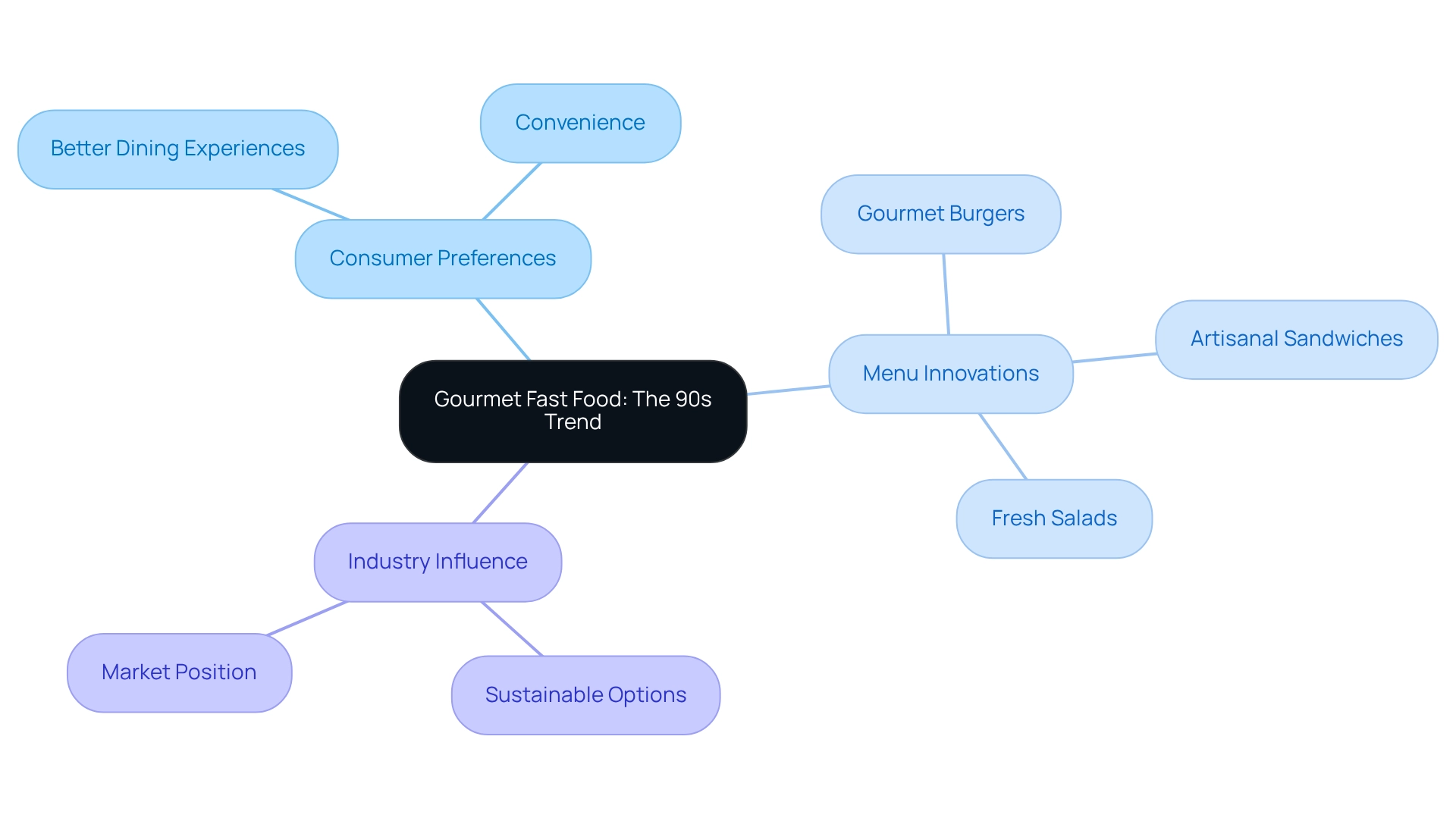
The 90s food trends introduced gourmet quick-service meals which marked a major change because traditional fast-service chains started using better ingredients and creative flavors in their menu. The changing consumer preferences for better dining experiences without losing convenience led to this transformation. The fast dining industry underwent a transformation because gourmet burgers, artisanal sandwiches, and fresh salads gained popularity during the 90s. The restaurant industry remains influenced by gourmet quick-service meals because numerous chains and independent restaurants now concentrate on serving sustainable high-quality menu options. The ongoing trend shows how consumer preferences evolve while businesses can attract more discerning customers to enhance their market position.
Organic Foods: The 90s Movement That Paved the Way for Sustainable Eating
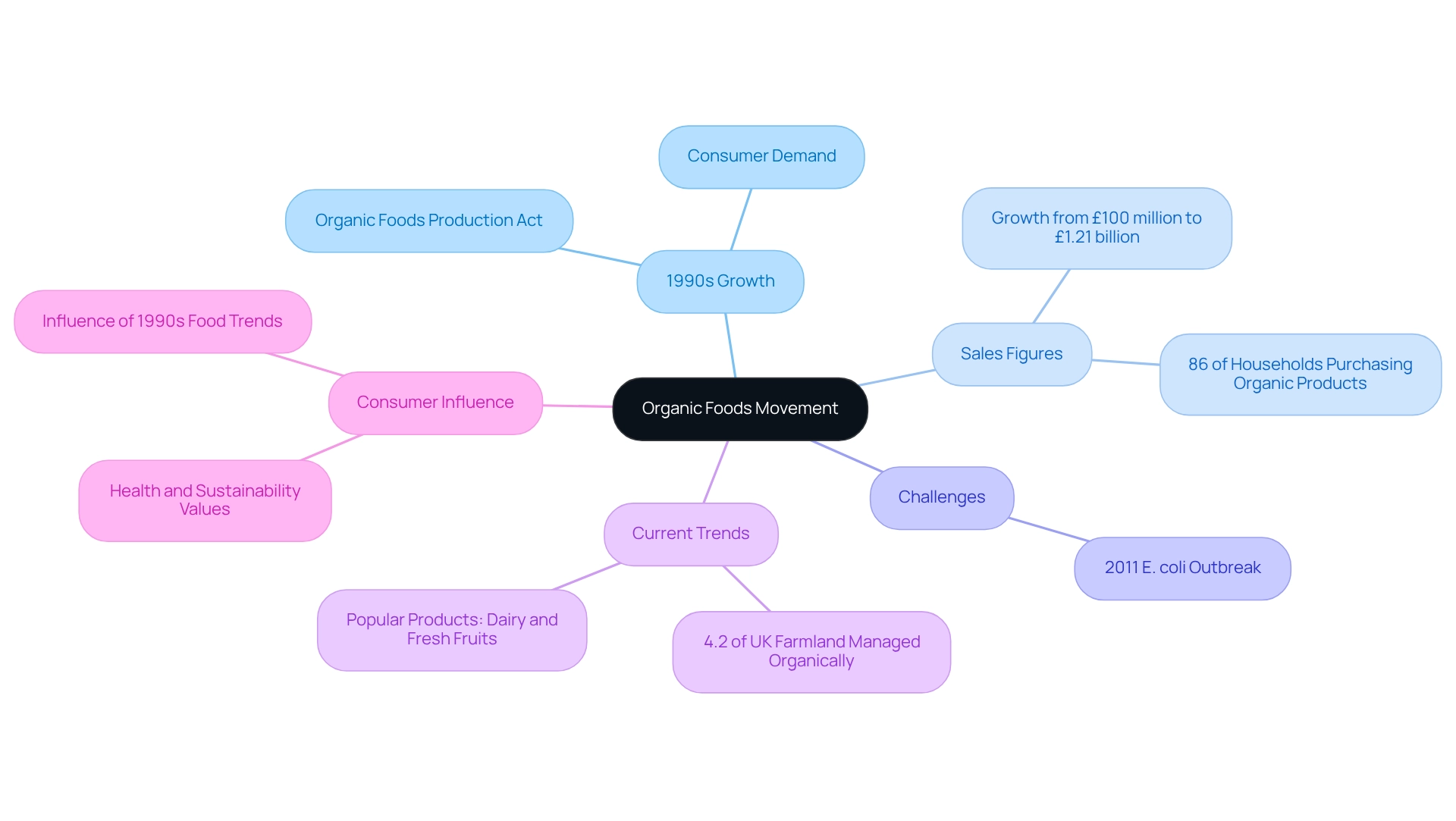
The natural produce movement expanded rapidly throughout the 1990s because consumers started paying more attention to health and environmental issues. The Organic Foods Production Act of 1990 created certification standards for natural products which led to major growth in both product availability and consumer demand. Natural products sales in the U.K. experienced explosive growth from £100 million during 1993/94 to £1.21 billion by 2004 while 86% of households bought natural products. Natural products have gained widespread popularity in grocery stores and restaurants which demonstrates that sustainability and health-conscious dining have become essential components of the food industry.
Natural farming faced significant challenges after the 2011 E. coli outbreak from fenugreek sprouts which naturally grew because it raised questions about natural agricultural safety. Natural foods remain highly popular among consumers in 2025 because numerous people select them for their dietary requirements. The current data indicates that natural farming management now covers 4.2% of U.K. farmland with dairy products and fresh fruits being the most popular natural products. According to Abby Youngblood who leads the National Organic Coalition as Executive Director funding for agricultural programs stands as a crucial matter. Youngblood states that Congress's denial of funding for these essential programs demonstrates a wrong decision that endangers the long-term viability of American farming systems. The eating habits of today remain influenced by food trends from the 1990s because consumers actively look for products that match their health and sustainability values. The organic food movement established itself as a basic culinary practice through its enduring commitment to organic foods during the 1990s.
Conclusion
The fundamental principles of modern cooking emerged from revolutionary food patterns which emerged throughout the 1990s. The food industry introduced convenience foods and fusion cuisine during this decade which led to multiple dining options that emphasized flavor and health. Sun-dried tomatoes and molten chocolate cake became permanent menu items because they originated from culinary innovations of the 1990s.
The expansion of ethnic food during this time introduced new food preferences and traditional culinary practices to standard restaurant menus. The consumer interest in sustainability and health evolves while maintaining the core principles developed in the 1990s. The organic food movement which began in this period shapes present-day eating habits because people now recognize the significance of nutritional and environmental factors.
Gourmet fast food has elevated quick dining standards through its combination of high-quality ingredients with speedy service. The culinary world of 2025 demonstrates enduring effects from 90s food trends by uniting diverse cuisines with health and sustainability practices and flavor fusion. The study of historical culinary development helps us identify the ongoing evolution of modern dining. The 1990s created more than social changes because they laid the groundwork for the ongoing culinary revolution which shapes our current dining experience.