July 2, 2025
10 Emerging Trends in Technology Shaping Business Success
The analysis evaluates recent technological advancements that enhance business operations and improve operational efficiency.

Overview
The article investigates ten upcoming technological trends which drive business success through AI, IoT, blockchain, and sustainable technology. The article demonstrates each trend through statistics and examples which show how these technologies boost operational efficiency, customer engagement, and drive innovation. Organizations need to implement these technologies because they must stay competitive in the fast-changing market. Businesses that understand these trends can strategically use technological advancements to build growth and resilience in their dynamic environment.
Introduction
The rapid technological evolution creates new business opportunities but also presents major challenges for operational transformation. Organizations need to identify upcoming trends that will determine their success during the next years to stay competitive. The Internet of Things and Artificial Intelligence operate as fundamental drivers that lead this transformation. These technologies deliver major operational benefits and innovation possibilities that become vital for market survival in competitive environments.
Organizations require strategic approaches to navigate this rapidly changing environment so they can use these innovations for enduring expansion. The exploration helps organizations assess vital obstacles and useful information required to thrive in this emerging period.
Ubertrends: Transform Your Business with Trend Intelligence
Organizations can detect technological trends through trend intelligence which enables them to understand and adapt to societal changes using the framework of Ubertrends. The intelligence system allows organizations to identify market opportunities and threats which helps them make decisions that match current market conditions and upcoming technological trends.
Organizations need to embrace this forward-thinking approach because it helps them maintain their position while achieving long-term success in the fast-moving corporate world of emerging technology trends. Organizations that use intelligence tools make decisions 27% faster while reducing operational costs by 20% which demonstrates the practical advantages of trend analysis in their operations.
The BI software market will exceed $151 billion by 2034 which makes it crucial for organizations to understand and respond to new technological trends. The prediction of 75% automated data narrative generation by 2025 demonstrates the shift toward data-driven decision-making. Organizations that implement BI solutions at high levels achieve decision-making at a rate five times higher than other organizations which demonstrates the essential role of trend intelligence for success.
Organizations face multiple innovation challenges because they must overcome traditional resistance while continuously updating their methods. Organizations show their adaptability to environmental changes through their adoption of innovative solutions which include both disruptive AI-driven chatbots and incremental process improvements as seen in Altos Labs and chatbot development expansion.
Artificial Intelligence: Revolutionizing Business Operations
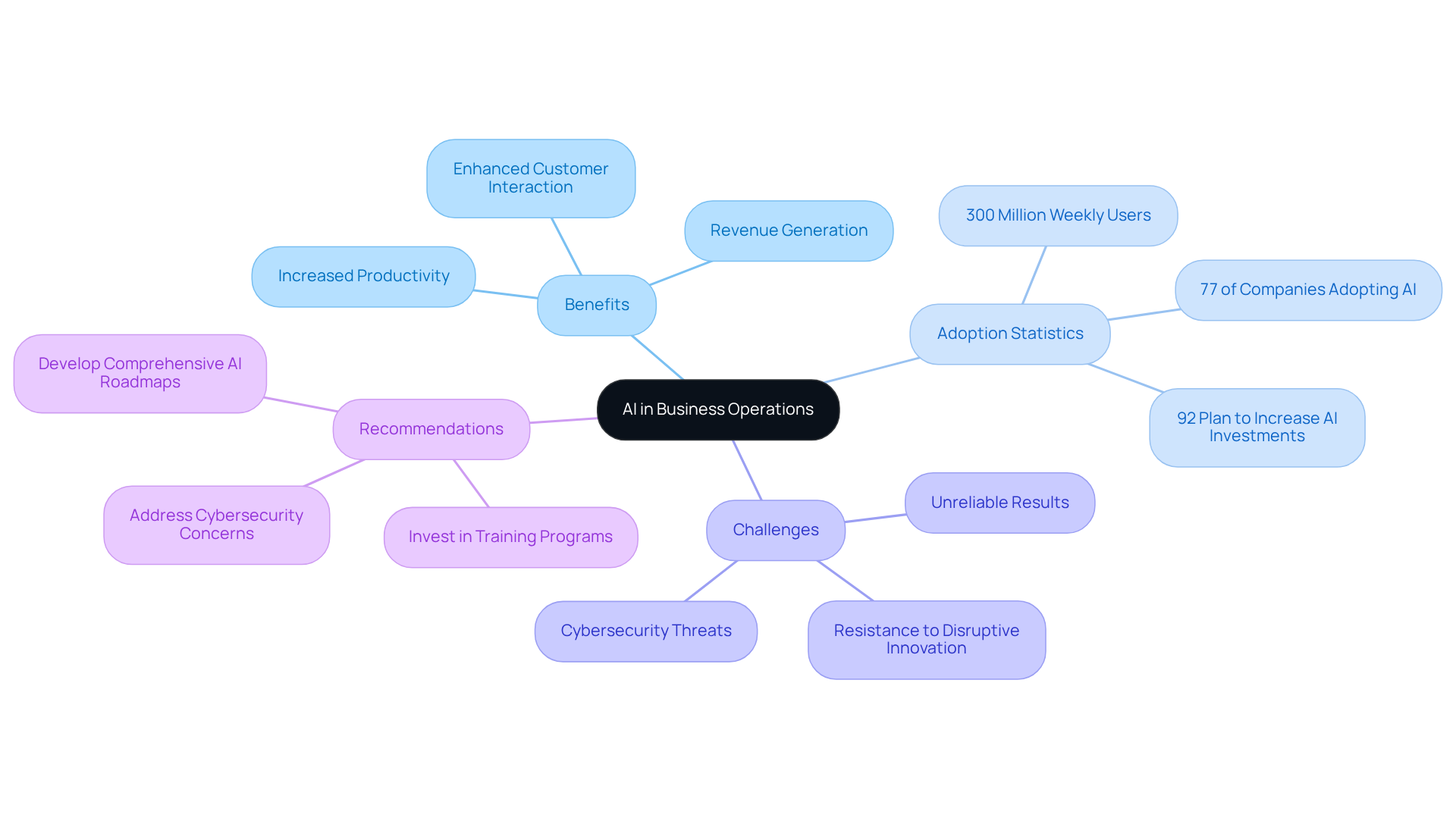
AI transforms organizational operations fundamentally because it automates tasks and enhances decision processes and provides superior customer interactions. The rapid adoption of ChatGPT by 300 million weekly users during its first two years shows the fast pace at which AI transforms both social structures and business environments. The essential nature of AI technologies has become established because 77% of companies either use them or investigate their potential to enhance operational efficiency and fast market responses. The AI recommendation system at Netflix generates $1 billion in annual revenue which demonstrates how AI technology enhances revenue through better customer engagement. The adoption of AI by organizations will result in a 40% increase in productivity by 2035 which will position them as industry leaders. The implementation of AI leads to better productivity according to 54% of executives while 83% of organizations identify AI as their primary strategic priority. The implementation of generative AI faces two main obstacles because it generates unreliable results and makes systems vulnerable to cybersecurity threats that endanger both trust and operational effectiveness. The implementation of AI solutions by companies faces opposition from their existing competitors because they find it difficult to adopt disruptive innovation. Organizations that adopt emerging technological trends will achieve operational efficiency through innovation while maintaining market competitiveness through expanding AI adoption. Companies should direct their resources to training programs while resolving concerns to achieve the best possible benefits from AI integration.
Internet of Things (IoT): Enhancing Connectivity and Efficiency
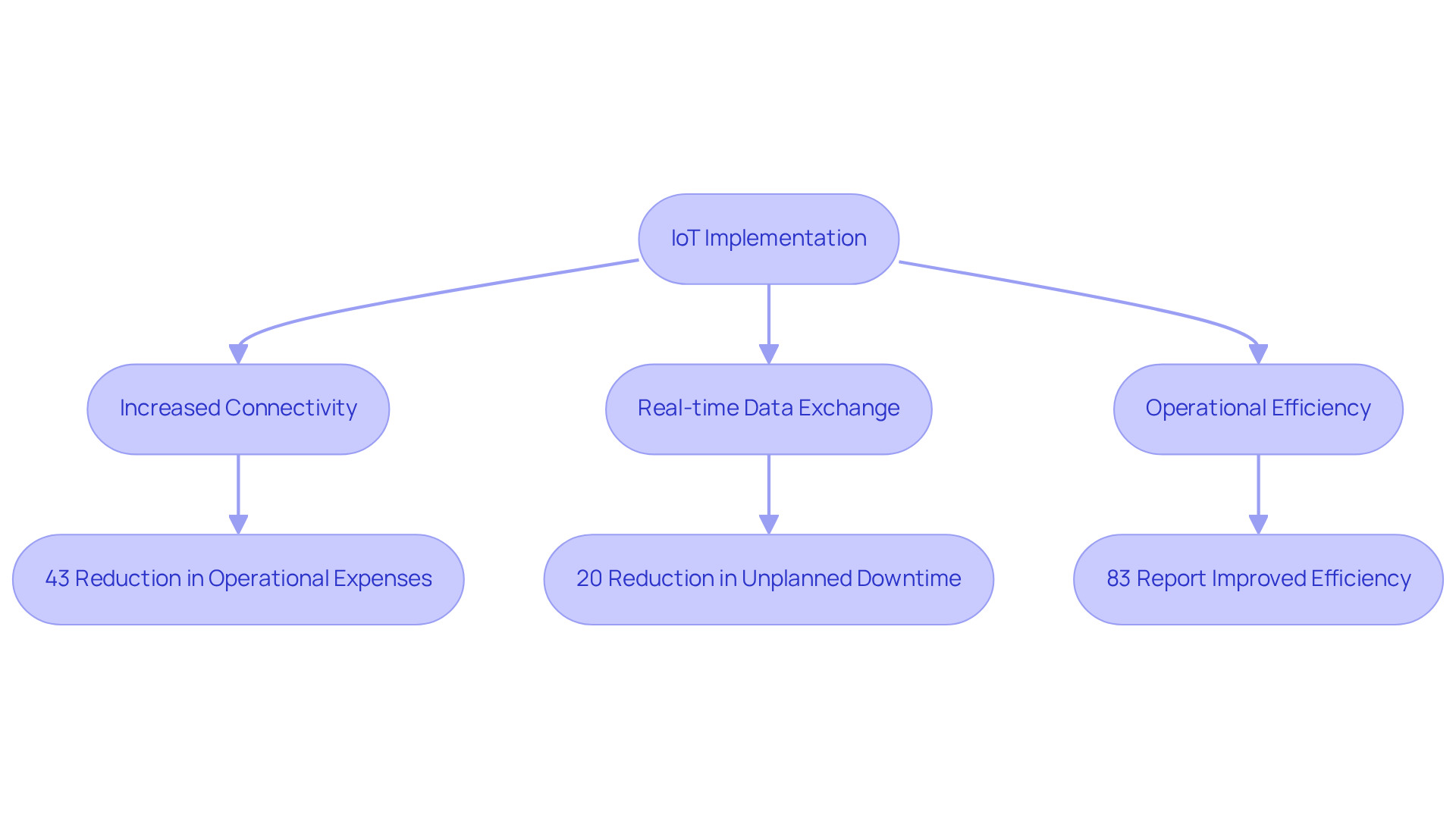
The Internet of Things (IoT) represents a transformative leap in connectivity, linking devices and systems to facilitate real-time data exchange and automation. The interconnected system boosts operational efficiency by allowing organizations to track processes and control resources and deliver quick responses to client needs.
Research indicates that IoT technology implementation in intelligent supply chain management allows companies to optimize inventory control and reduce operational expenses by 43% for business agility improvement. The digital landscape requires IoT applications to create connected customer experiences because they serve as fundamental elements for modern business operations.
The IoT market will reach $714.48 billion by 2024 with a 24.3% Compound Annual Growth Rate (CAGR) which makes it essential for businesses to adopt IoT solutions to stay competitive and achieve operational transformation. The operational benefits of IoT have been confirmed by 83% of businesses who report improved efficiency.
Festo's solution demonstrates the practical benefits of IoT through its 20% reduction of unplanned downtime which proves IoT's operational effectiveness. Organizations must adopt IoT solutions urgently because IoT device numbers are expected to surpass 18 billion by 2025.
Blockchain: Securing Transactions and Enhancing Transparency
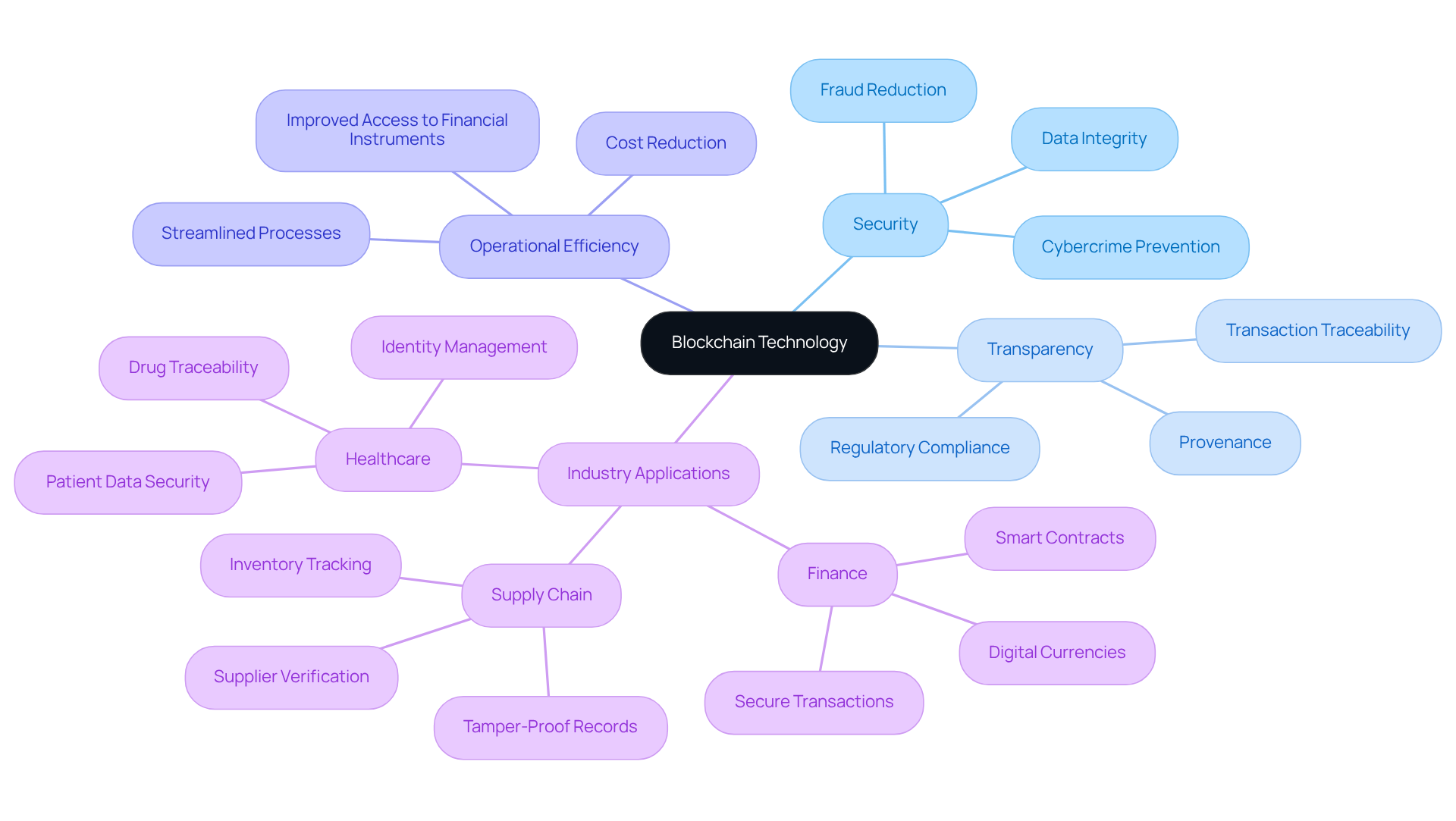
Blockchain technology provides secure decentralized transaction processing which maintains data integrity while providing transparency. The innovative feature plays a vital role because it enables businesses to decrease fraud while improving operational processes and building stronger stakeholder trust. The adoption of blockchain solutions by finance, supply chain, and healthcare industries results in operational efficiency improvements and increased customer trust. Organizations achieve better control of their operational complexities through blockchain solutions which establishes a trustworthy environment for all stakeholders.
Remote Work Technologies: Facilitating Collaboration from Anywhere
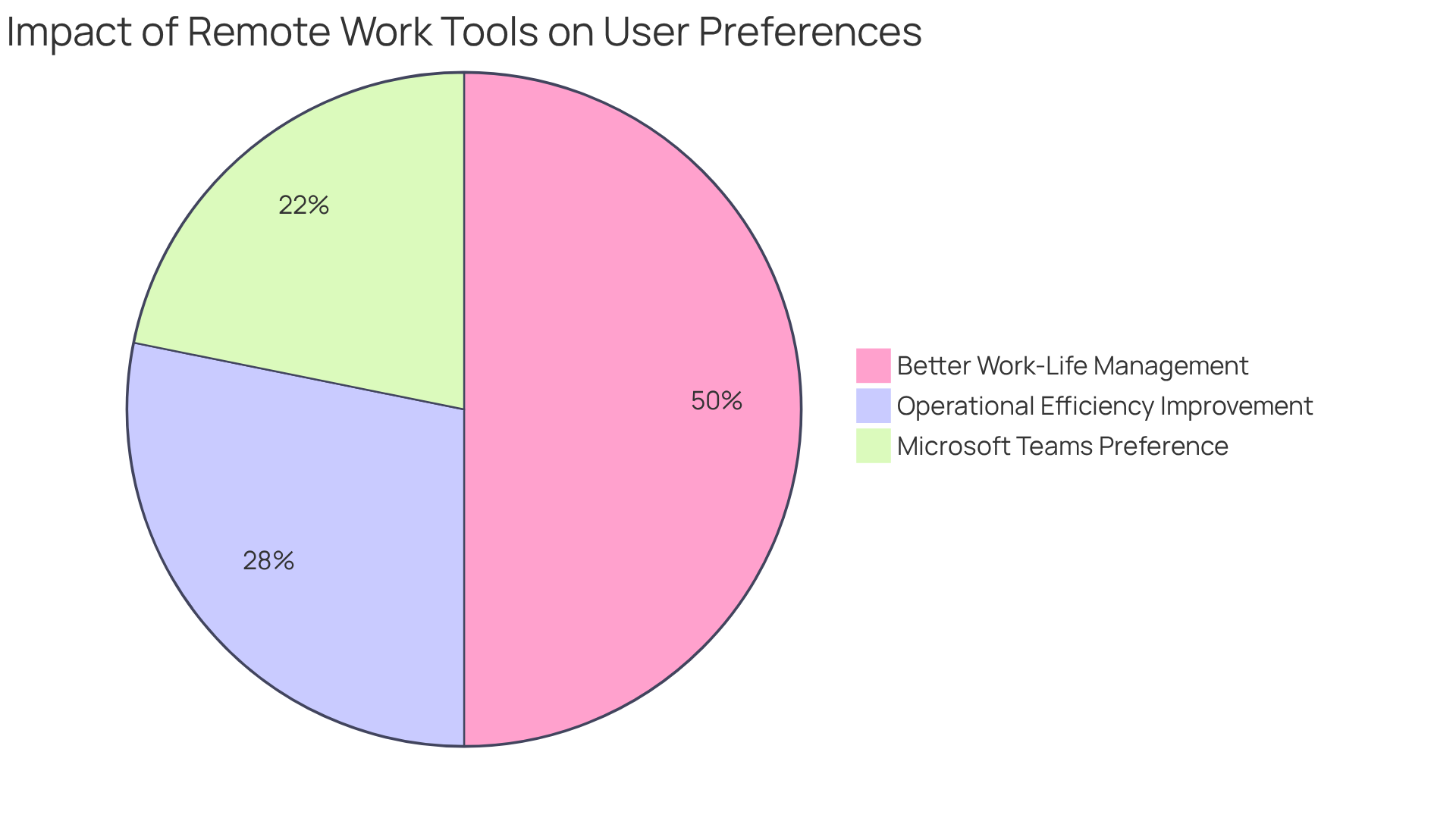
Teams operating from different locations require remote work tools as their fundamental operational instruments. Video conferencing and project management software and cloud-based platforms enable smooth communication which leads to improved productivity regardless of physical location. Microsoft Teams demonstrates effective collaboration tool capabilities because it has become the preferred choice for 31% of users who use it to streamline workflows and improve team dynamics.
Organizations need to prioritize remote work tools because remote work has established itself as the standard operational model to achieve operational excellence and maintain market leadership. Employee reports show digital workplace solutions have increased operational efficiency by 40% which proves the immediate need for these tools.
Organizations that successfully implement remote work technologies create a more dedicated workforce and boost employee productivity because 71% of teleworkers report better management of work and personal responsibilities from home. Organizations must adapt to thrive in the developing technological environment because remote collaboration tools will gain more emphasis through 2025.
Cybersecurity: Protecting Your Business from Evolving Threats
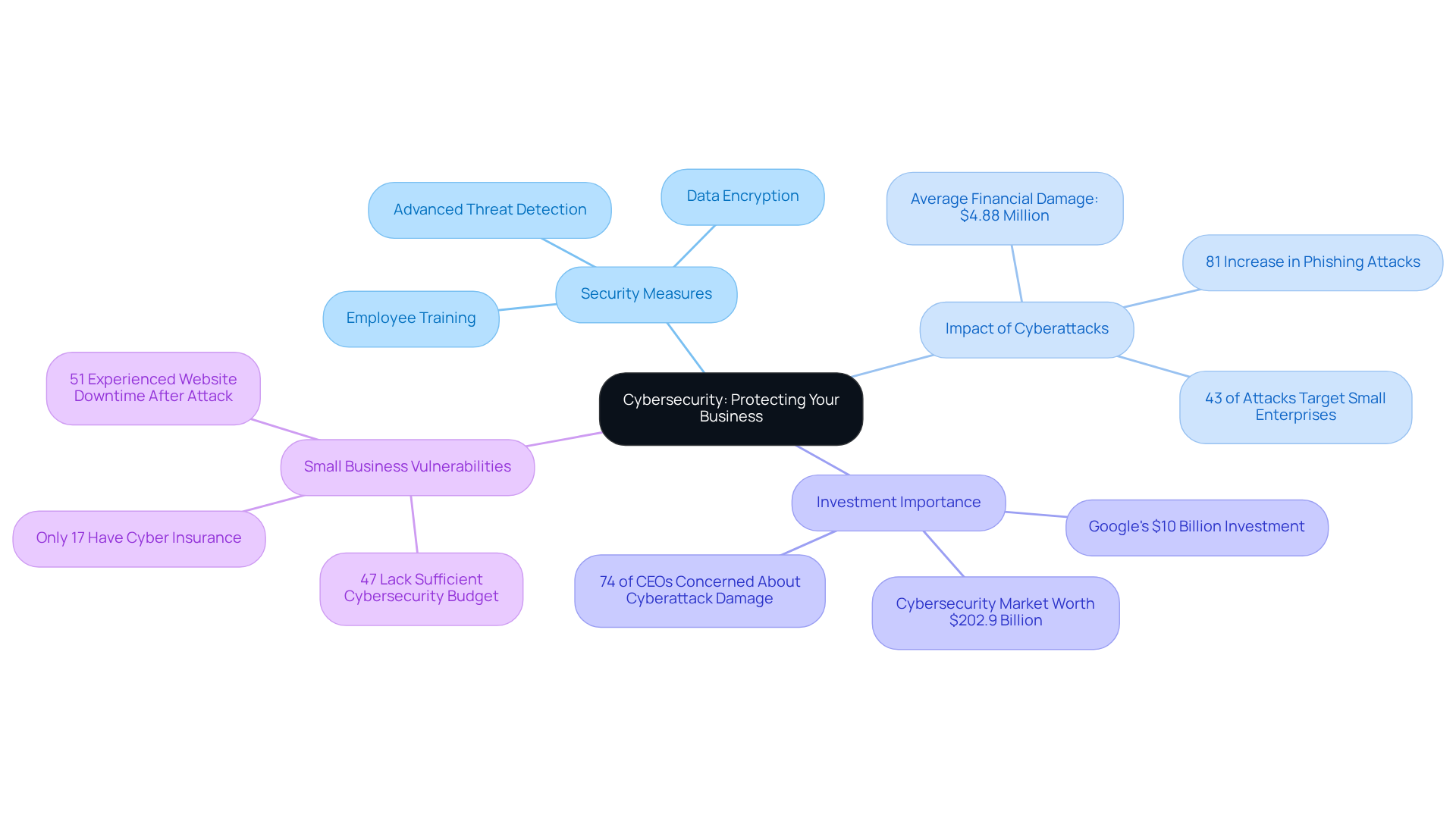
Enterprises that adopt digital transformation face intricate security threats which establish cybersecurity as an essential business priority. Organizations need to establish multiple security measures that include:
- Advanced threat detection systems
- Robust data encryption methods
- Complete employee training programs
The pandemic period has led to a major rise in phishing attacks because 81% of worldwide organizations have documented this increase. The increasing threats demand businesses to build enhanced defensive systems for protection.
Organizations need to invest in cybersecurity because this practice safeguards their assets while building customer trust and maintaining regulatory compliance. The ability of companies to handle cyberattack damage concerns 74% of CEOs who demonstrate the need for these security measures. Google dedicated $10 billion to enhance its cybersecurity defenses to protect against future threats through 2025.
The current threat environment shows that 43% of cyberattacks specifically target small enterprises which demonstrates their exposure to risk. Companies with less than 50 employees lack sufficient cybersecurity budget which results in increased vulnerability to threats at 47%. Small businesses lack sufficient funds to defend against attacks and most of them fail to obtain cyber insurance coverage according to Komron Rahmonbek. Organizations that prioritize cybersecurity can both safeguard their operations and establish trustworthiness for their customer base. The average financial damage from data breaches amounts to $4.88 million for businesses. The implementation of strong cybersecurity strategies represents a fundamental business requirement which directly affects long-term organizational success.
Augmented Reality and Virtual Reality: Transforming Experiences
AR systems combined with VR systems enable user engagement transformation through immersive experiences that deliver interactive benefits alongside powerful product visualization. Multiple business sectors now implement these technologies to develop market differentiation strategies for their competitive markets.
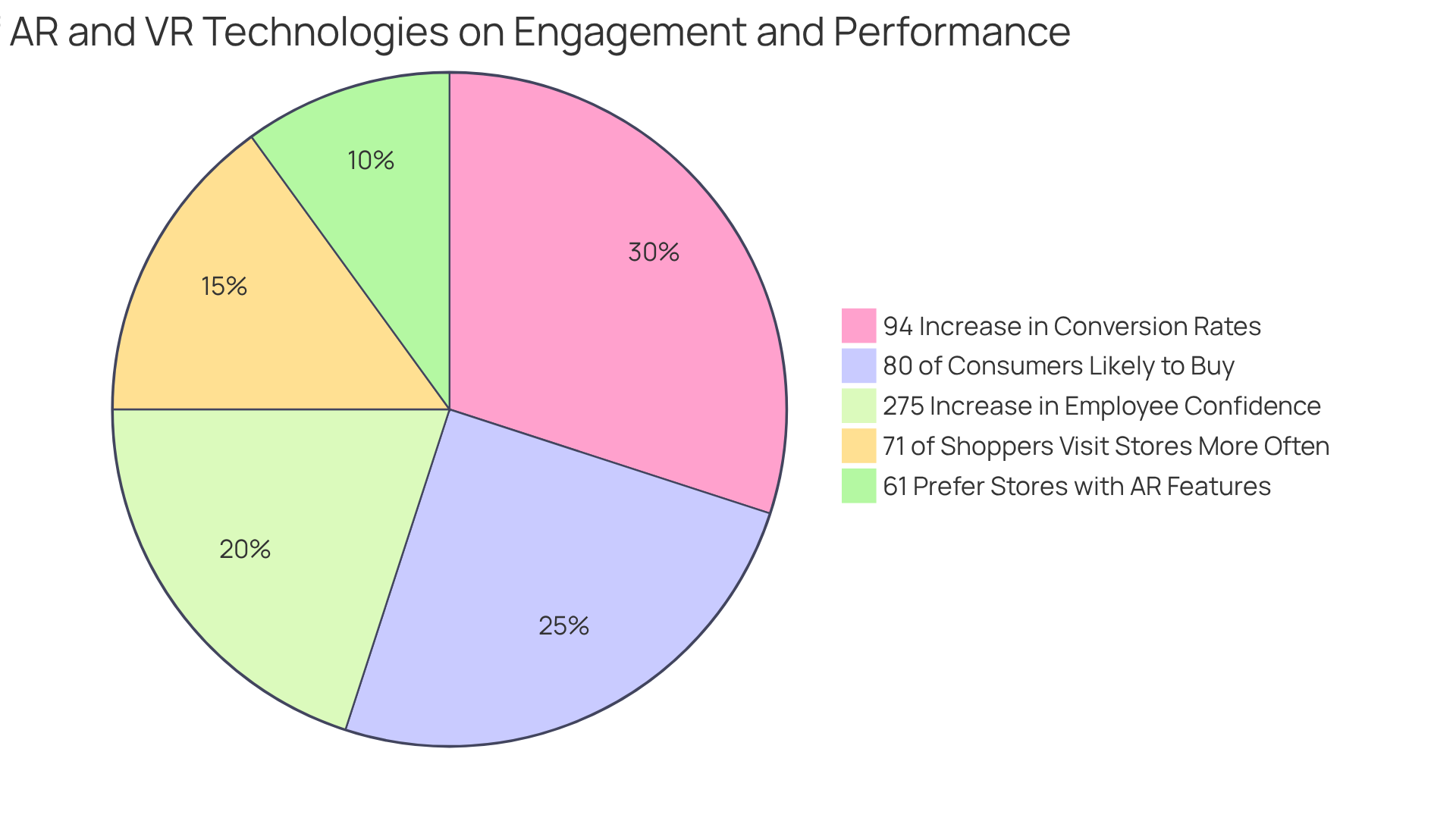
- Virtual try-on technologies powered by AR technology lead to a 94% increase in conversion rates because immersive content drives stronger sales performance.
- The sales power of AR drives more than 80% of consumers to buy products.
- VR-based training methods allow employees to learn at four times the speed of traditional methods which produces more confident workers who make fewer mistakes in practical applications.
- The implementation of VR training produces a 275% increase in employee confidence when they apply their learned skills.
AR technology enables strong customer interactions because:
- 71% of shoppers will visit stores more often when using AR applications
- 61% of consumers want to shop at stores that implement AR technology.
IKEA together with L’Oréal, Zara, and Kylie use AR to give customers better shopping experiences through product previews in their actual spaces before making purchases. The method enhances customer satisfaction while creating stronger emotional connections between customers and the brand.
The integration of these innovative approaches into corporate strategies becomes essential because of upcoming technological trends.
- Enterprise adoption of AR/VR innovations will surpass 70% by 2026
- 90% of brands intend to use AR marketing strategies by 2028 according to current market trends.
Businesses need to accept innovative solutions because upcoming customer engagement trends will develop from technological advancements to maintain their market competitiveness.
Cloud Computing: Enabling Scalability and Flexibility
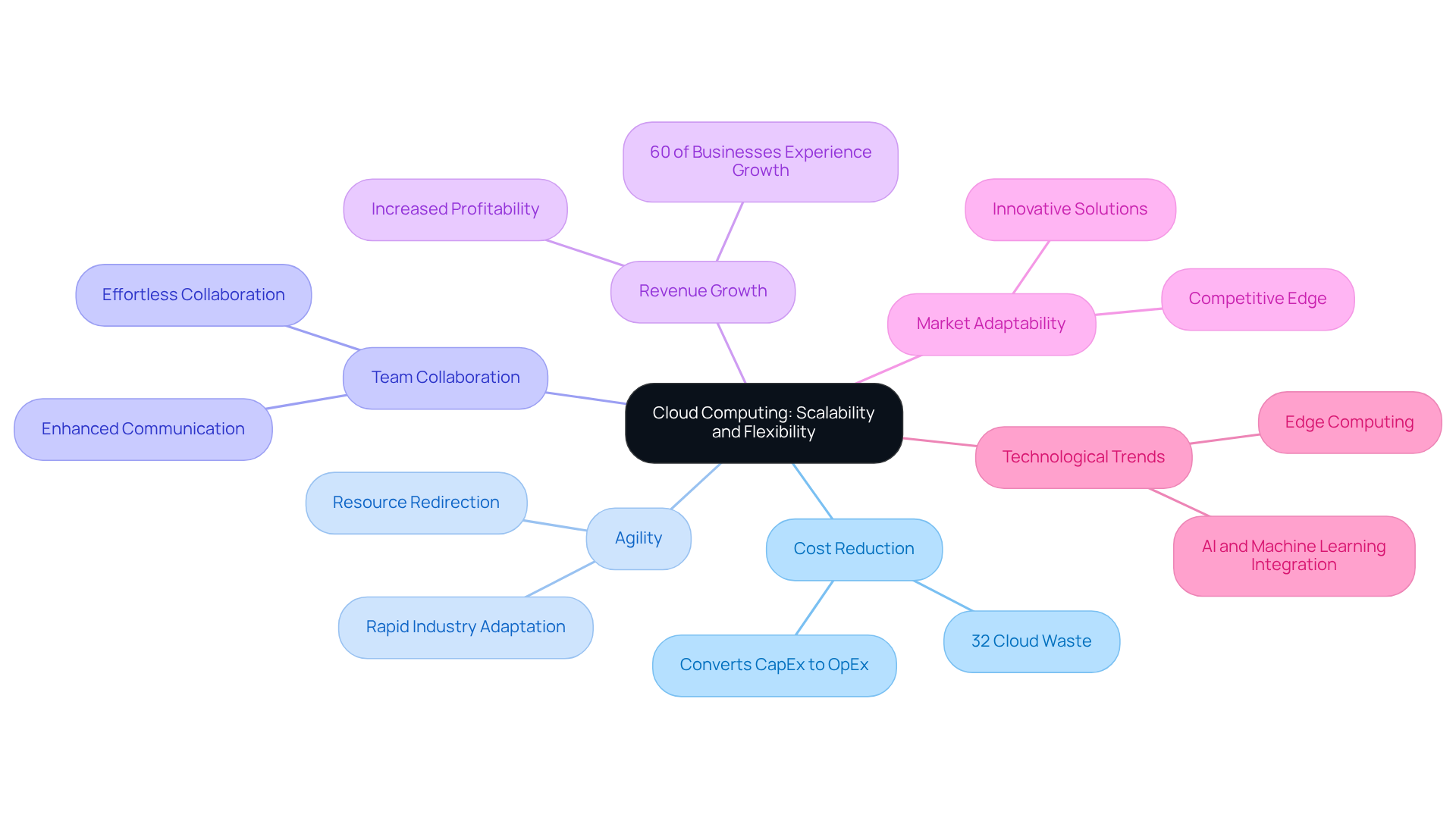
Cloud computing serves as the primary operational feature for enterprises to achieve market adaptability through scalable infrastructure. The advantage allows businesses to reduce infrastructure expenses while enhancing teamwork and obtaining advanced technologies at affordable initial costs. The implementation of cloud technology results in revenue growth for 60% of businesses which demonstrates its capability to drive business expansion.
Cloud solution adoption allows businesses to redirect their resources according to market changes which enables both agility and rapid industry adaptation. Organizations need adaptability to create innovative solutions and lead markets in today's fast-paced business world. Organizations achieve operational flexibility and effortless team collaboration through emerging technological trends in cloud services which leads to successful business performance during challenging times.
Altos Labs shows how trend intelligence helps organizations tackle modern challenges by deploying advanced cloud solutions that boost research capabilities. The cloud computing market will exceed $1 trillion by 2028 yet organizations must create efficient cost management systems because cloud waste consumed 32% of cloud budgets during 2022. According to Michael Tchong who created Ubertrends companies must grasp these trends to successfully implement cloud innovations.
5G Technology: Accelerating Connectivity and Innovation
The upcoming 5G technology will transform connectivity through its unmatched data speeds and minimized latency together with increased capacity. The telecommunications industry faces a basic disruptive innovation through this transformation. The 5G evolution enables businesses to use Internet of Things (IoT) technology while improving mobile performance and supporting applications that require immediate data processing.
Honeywell teams up with Verizon to utilize 5G technology for energy grid modernization which enhances operational efficiency and grid resilience. Organizations need to adopt 5G networks for market competitiveness and innovation development because of their network expansion requirements.
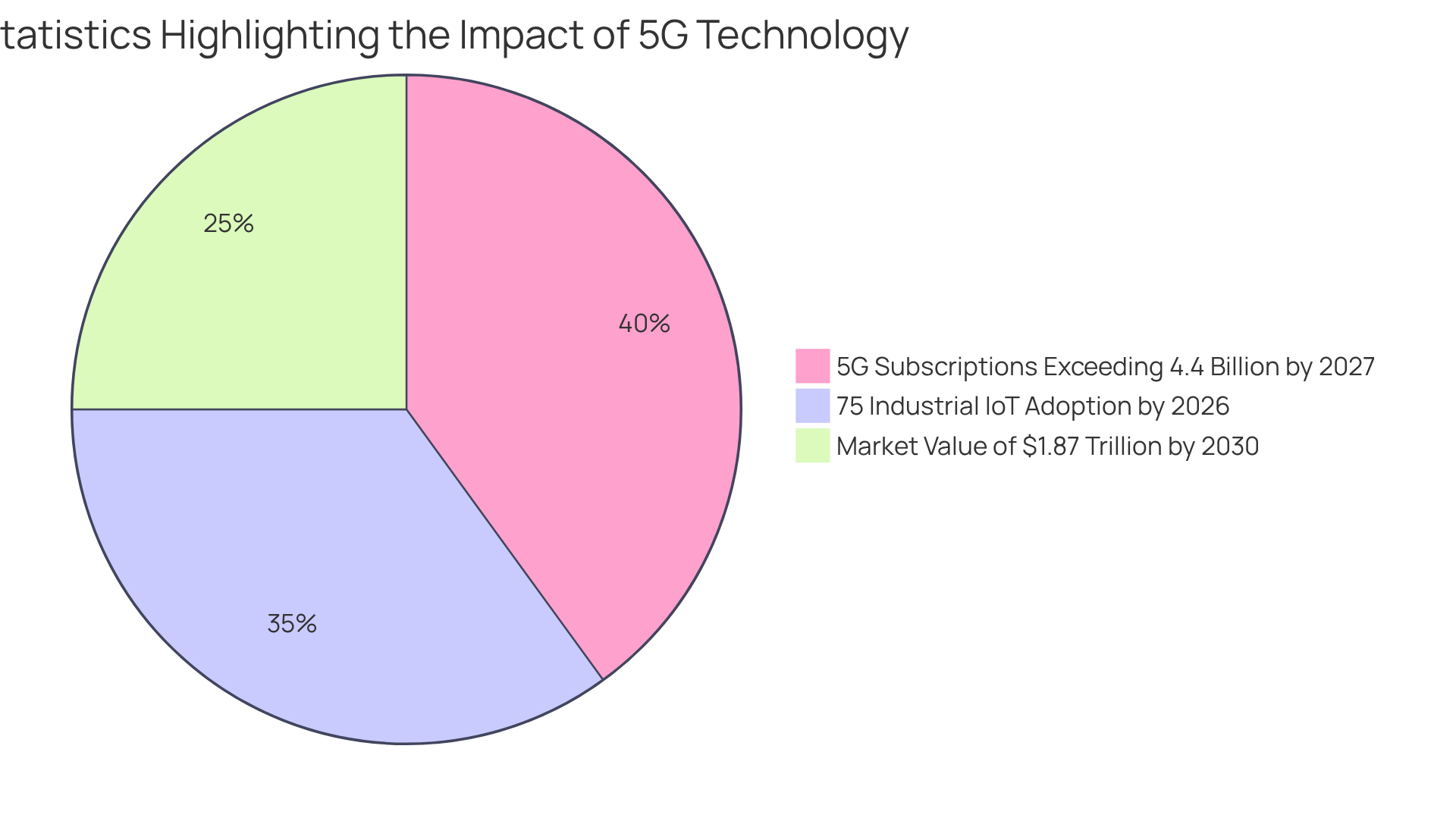
The statistics show that 5G subscription numbers will exceed 4.4 billion by 2027 which proves the rapid adoption of ultra-fast connectivity. The industrial IoT adoption rate for 5G technology will reach 75% among enterprises by 2026 because of its essential role in driving sector-wide progress.
The fast-growing 5G technology serves as an essential digital economy foundation which demonstrates upcoming technological trends with market predictions showing $1.87 trillion in value by 2030. Organizations that implement 5G technology within their strategies will gain market advantage by enhancing operational efficiency and delivering improved customer experiences in the modern interconnected world.
Entities must assess the disruptive potential of 5G innovation to integrate it within their existing operational frameworks and strategic plans.
Sustainable Technology: Driving Environmental Responsibility
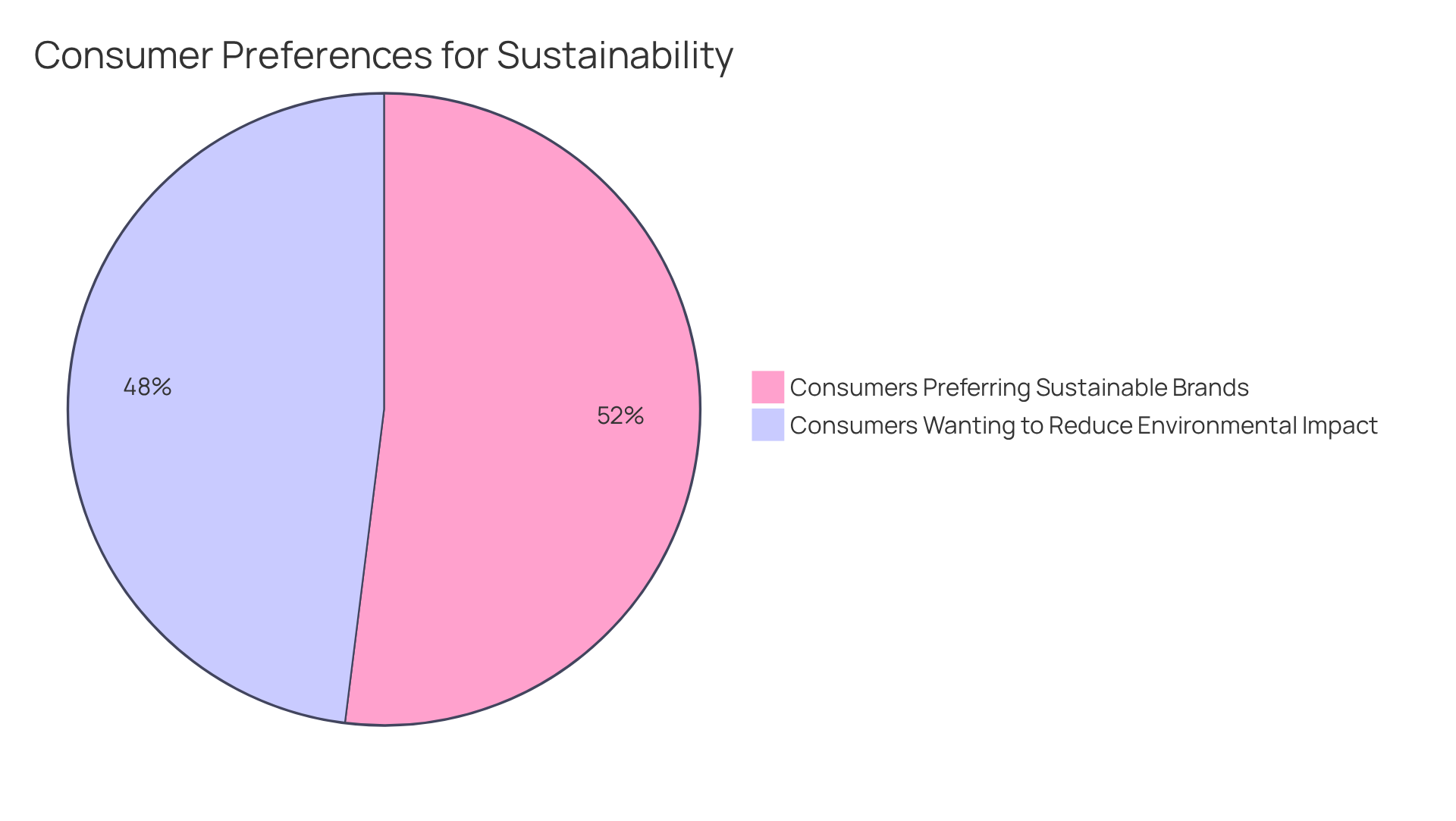
Businesses that want to reduce their environmental impact now rely on sustainable solutions as their fundamental operational base. Organizations can enhance their resource efficiency and waste reduction and strengthen their sustainability initiatives by implementing eco-friendly innovations. The market shows increasing demand for eco-friendly practices because:
- 73% of global consumers want to change their consumption habits to reduce environmental impact
- 79% prefer to purchase from brands that support sustainability
Companies establish themselves as responsible leaders through their sectors. The financial advantages of sustainability become apparent through energy-efficient buildings which will save $1.2 trillion during the next decade. Companies that implement these innovations can decrease their operational costs by 60% which results in better profitability and supports environmental targets. Organizations recognize the significance of environmental responsibility so they meet regulatory standards while maintaining market competitiveness. The market for green technologies will expand to $36.6 billion by 2025 because companies focus on sustainability and customers select responsible brands. Businesses must adopt sustainable practices because this transition demonstrates that operational sustainability and economic viability must exist together.
Conclusion
Modern business success depends on organizations adopting emerging technology trends. The integrated technologies of trend intelligence, artificial intelligence, IoT, blockchain, remote work technologies, cybersecurity, AR/VR, cloud computing, and 5G create operational efficiency while establishing companies for future success. Organizations that understand and adapt to these trends will succeed in overcoming market challenges and capturing new market opportunities that emerge throughout the evolving market landscape.
The article delivers crucial information about the necessity of implementing these technologies. The adoption of trend intelligence allows businesses to make faster decisions at lower costs, and AI implementation delivers major productivity benefits. The IoT system enhances operational flexibility through better connectivity, and blockchain technology ensures secure and transparent transaction processes. Organizations must use remote work technologies as essential tools for distributed workforce productivity, and they must establish robust cybersecurity protocols to defend their assets from rising security threats. Organizations must stay ahead of technological progress because AR/VR offers transformative capabilities, and cloud computing provides scalability.
Organizations must actively embrace these technological trends because they help improve operational capabilities and meet consumer demands and environmental responsibilities. Organizations that dedicate resources to these areas will maintain their competitive advantage and resilience in the rapidly changing world. Strategic planning requires leaders to prioritize emerging technologies because organizations that innovate and adapt will determine future success.