June 4, 2025
10 Customer Experience Trends Shaping Business Success in 2025
AI personalization, proactive service, omnichannel experiences, and emotional intelligence are reshaping customer loyalty.

Overview
The article investigates future customer experience trends which will establish business success in 2025 while focusing on:
- Personalized service
- Proactive engagement
- Ethical AI implementation
Organizations that adopt:
- Trend intelligence
- AI-driven personalization
- Omnichannel strategies
will achieve superior customer satisfaction and loyalty while producing better revenue and market advantage. Organizations that focus on these trends will develop improved market understanding which enables them to modify their strategies for maintaining market relevance and customer need responsiveness.
Introduction
Organizations need to understand and enhance customer experience to succeed in today's rapidly changing marketplace. Organizations achieve customer engagement transformation through the strategic combination of trend intelligence with AI-driven personalization and purposeful channel strategies. Companies need to adjust their operations to deliver personalized interactions and smooth platform journeys because customers will select different brands when these expectations are not met. Statistical data shows customer willingness to switch brands after negative experiences thus requiring effective strategies.
The article investigates current customer satisfaction and loyalty approaches by studying:
- Ethical practices
- Omnichannel experiences
- Proactive engagement methods
These elements establish deep consumer relationships.
Ubertrends: Harnessing Trend Intelligence for Enhanced Customer Experience
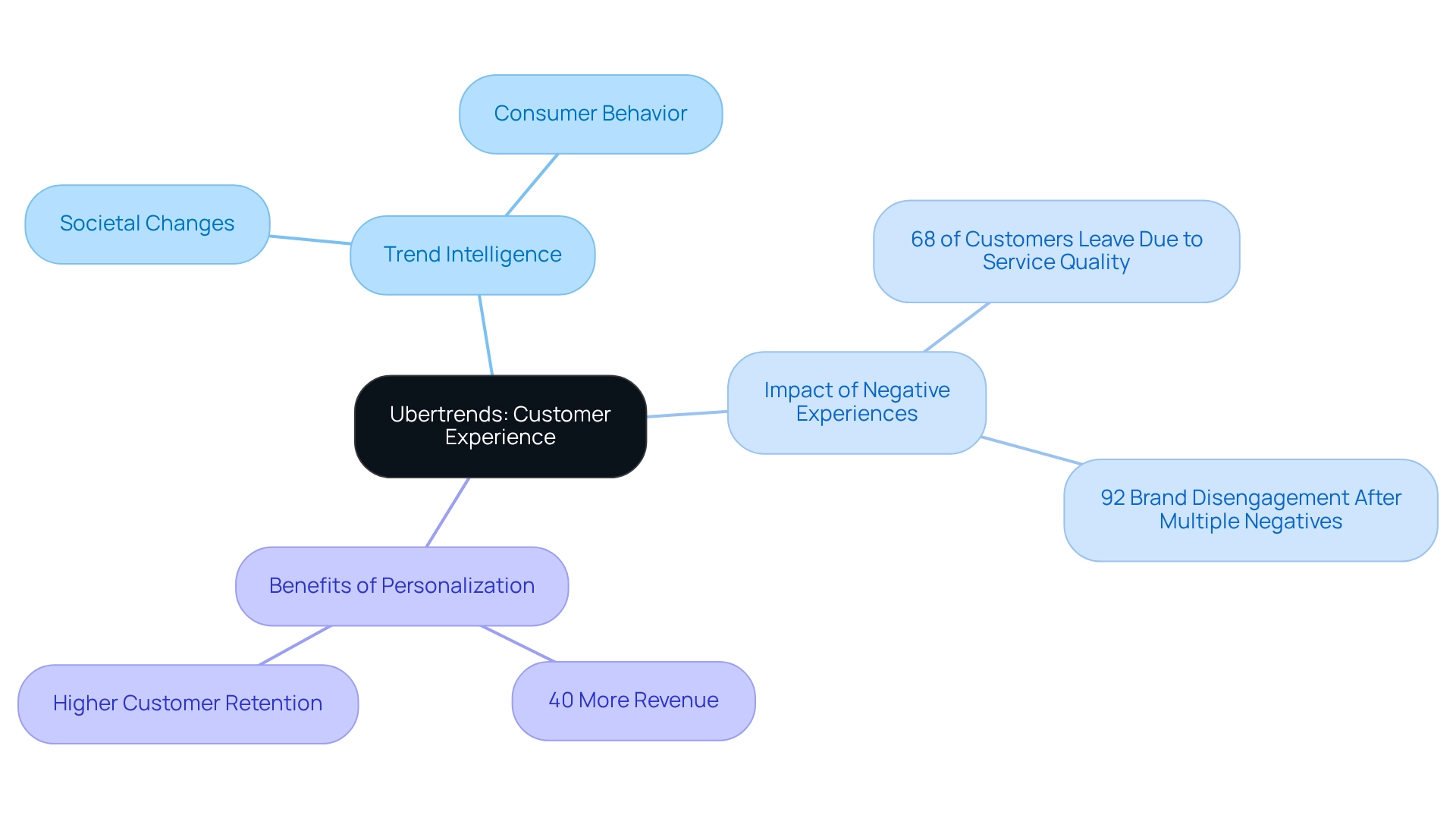
Organizations receive functional customer experience trend insights through the trend intelligence of Ubertrends. Organizations can adapt their strategies to meet client expectations through comprehensive analysis of societal changes and consumer behavior evolution. Organizations that take proactive steps can detect upcoming trends to create individualized interactions which deeply connect with their audience base for developing customer satisfaction and loyalty.
Research indicates that service quality problems result in the departure of 68% of customers, but a single negative experience will drive half of consumers to leave their current brand. Businesses need to make client experience their top priority. The loss of one-third of consumers occurs after a single negative interaction, but two or three unfavorable experiences lead to brand disengagement among 92% of former customers.
Successful organizations in 2025 will leverage trend analysis to enhance their customer experience trends. Fast-growing companies generate 40% more revenue through personalized approaches than slower-moving businesses. Organizations that prioritize customer satisfaction achieve higher customer retention and enhanced market position. The valuable insights from Ubertrends enable clients to successfully handle modern client interactions.
AI-Powered Personalization: Tailoring Experiences to Individual Preferences
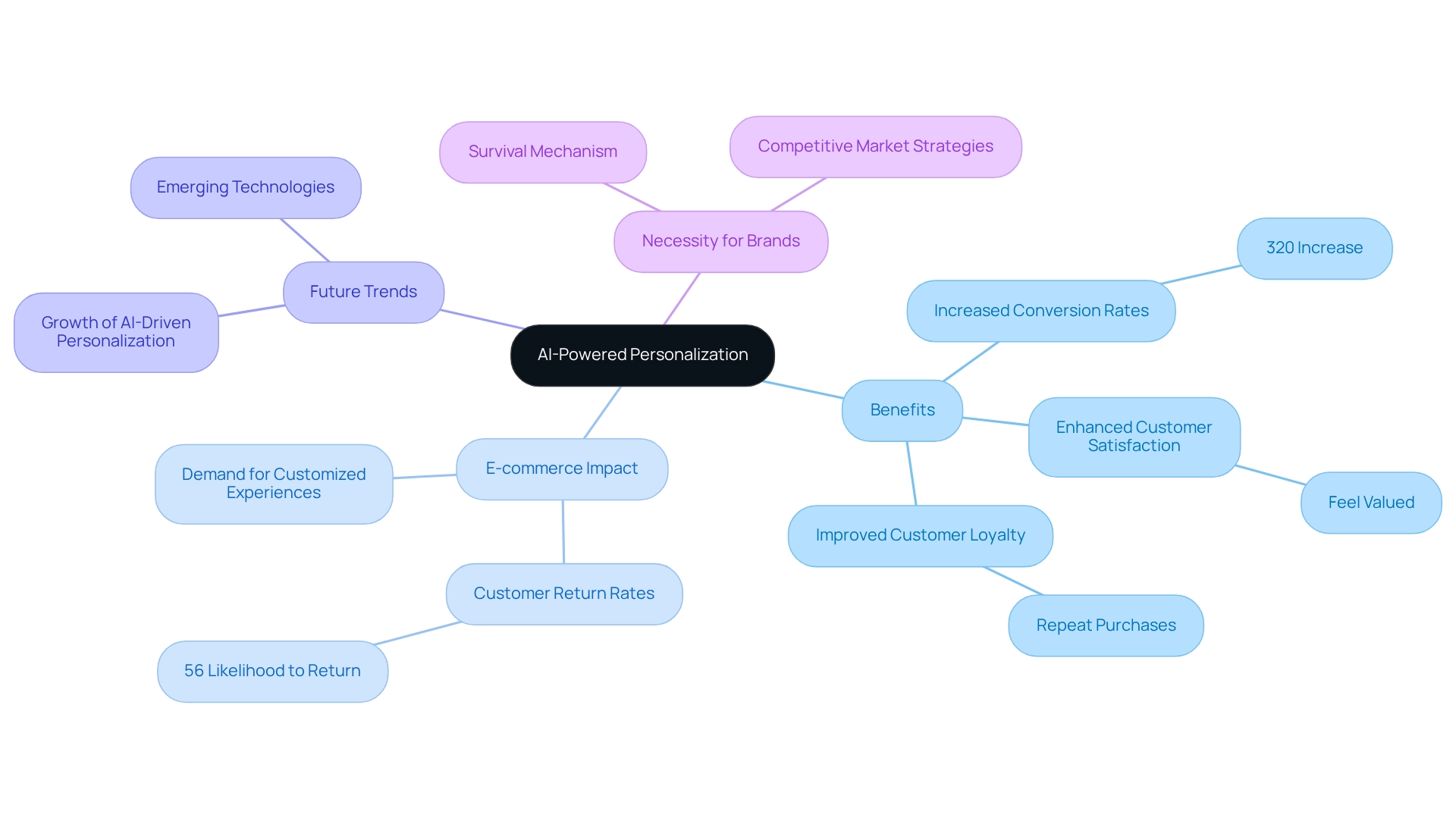
AI-driven customization allows businesses to utilize client information for delivering interactions that align with individual preferences. Businesses use advanced behavioral prediction algorithms to deliver personalized recommendations, targeted marketing solutions, and customized services. The practice of tailoring product suggestions to individual needs results in maximum customer satisfaction, which produces a 320% increase in conversion rates while building client loyalty through personalized services that create feelings of recognition and value for clients.
The retail crisis occurred primarily because of Amazon's e-commerce dominance, which led to a significant increase in customer demand for customized shopping experiences. The implementation of personal product recommendations on online shopping platforms leads to customer return rates of 56%, which proves the growing importance of customer experience trends in retail. E-commerce personalization attracts a major segment of consumers who both feel more satisfied and continue to purchase from the same platform.
Brands need to implement personalization strategies because these strategies serve as a vital survival mechanism for businesses operating in a changing market environment according to current customer experience trends. The 'Ecommerce Personalization Expectations' case study demonstrates that brands need to implement personalized shopping experiences because satisfied customers become repeat buyers in competitive markets.
The customer experience trends for 2025 show that AI-driven personalization continues to grow because businesses implement new technologies to create distinctive interactions. Multiple successful cases demonstrate that organizations which focus on personalized marketing achieve better client involvement and increased spending and commitment. According to Oli Kashti, the advanced AI & machine learning technology at our company creates shopper loyalty through individualized unique experiences which demonstrate their worth.
Organizations need to implement AI-driven personalization to succeed in today's dynamic business environment and achieve customer experience trends and develop enduring relationships with their clients.
Intentional Channel Strategies: Meeting Customers Where They Are
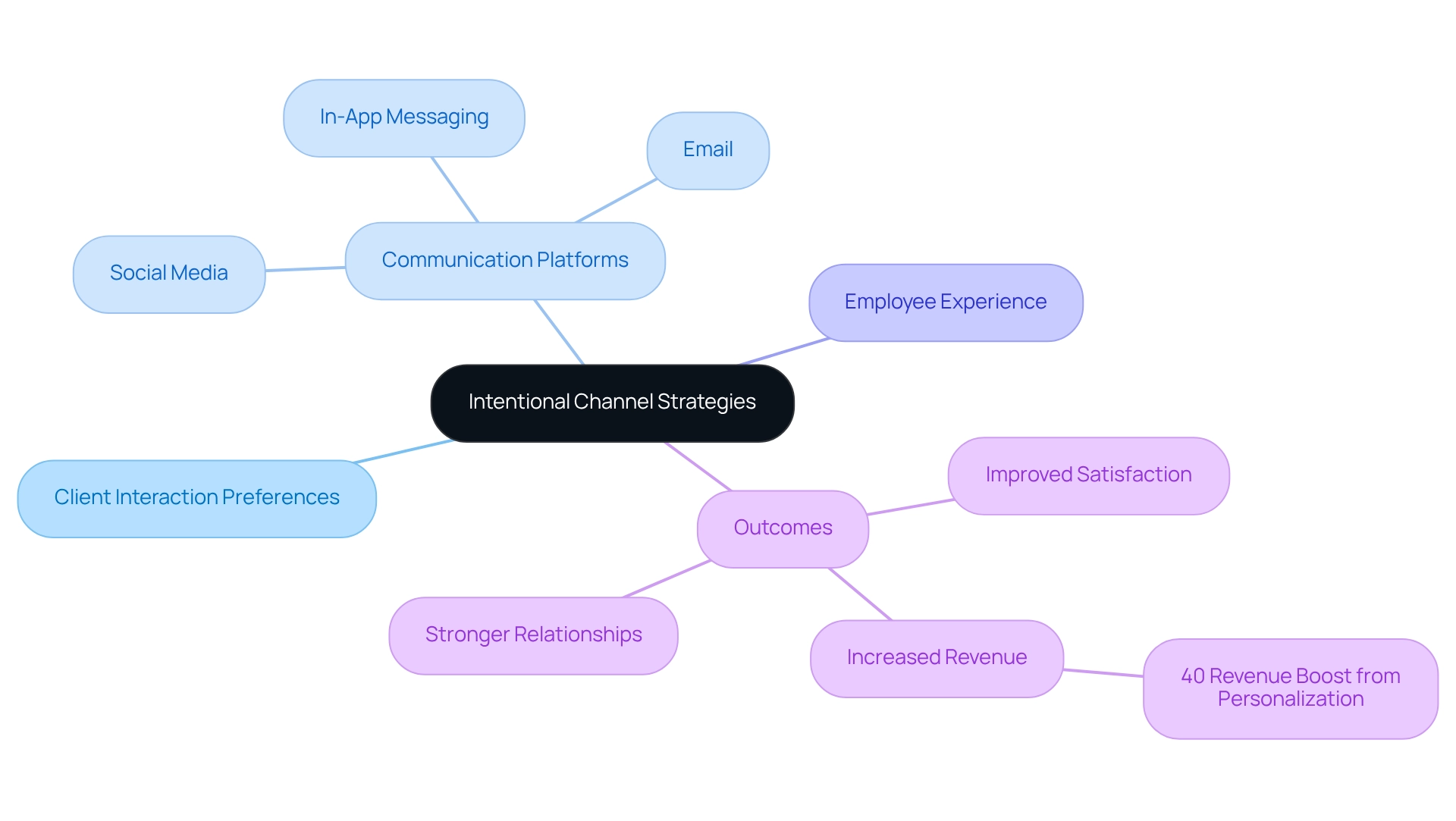
Enterprises that use deliberate channel strategies need to determine client interaction preferences while maintaining active presence on their preferred platforms. Organizations that use social media, email, and in-app messaging platforms will boost their chances of positive interactions. Research shows that organizations implementing these strategies achieve better client satisfaction and more efficient communication according to customer experience trends which help people find support and information easily.
The preferred platform interaction between successful companies and their clients has led to a 40% revenue boost from personalization efforts according to industry experts. Organizations that focus on employee experience (EX) together with client experience (CX) achieve substantial revenue growth according to Forrester research. Staff empowerment leads to more meaningful client interactions which produce better organizational results and improve customer experience trends.
Purposeful channel strategies enable companies to reach clients at their preferred touchpoints which supports customer experience trends while building stronger relationships that drive loyalty and business expansion.
Ethical AI: Building Trust Through Responsible Customer Engagement
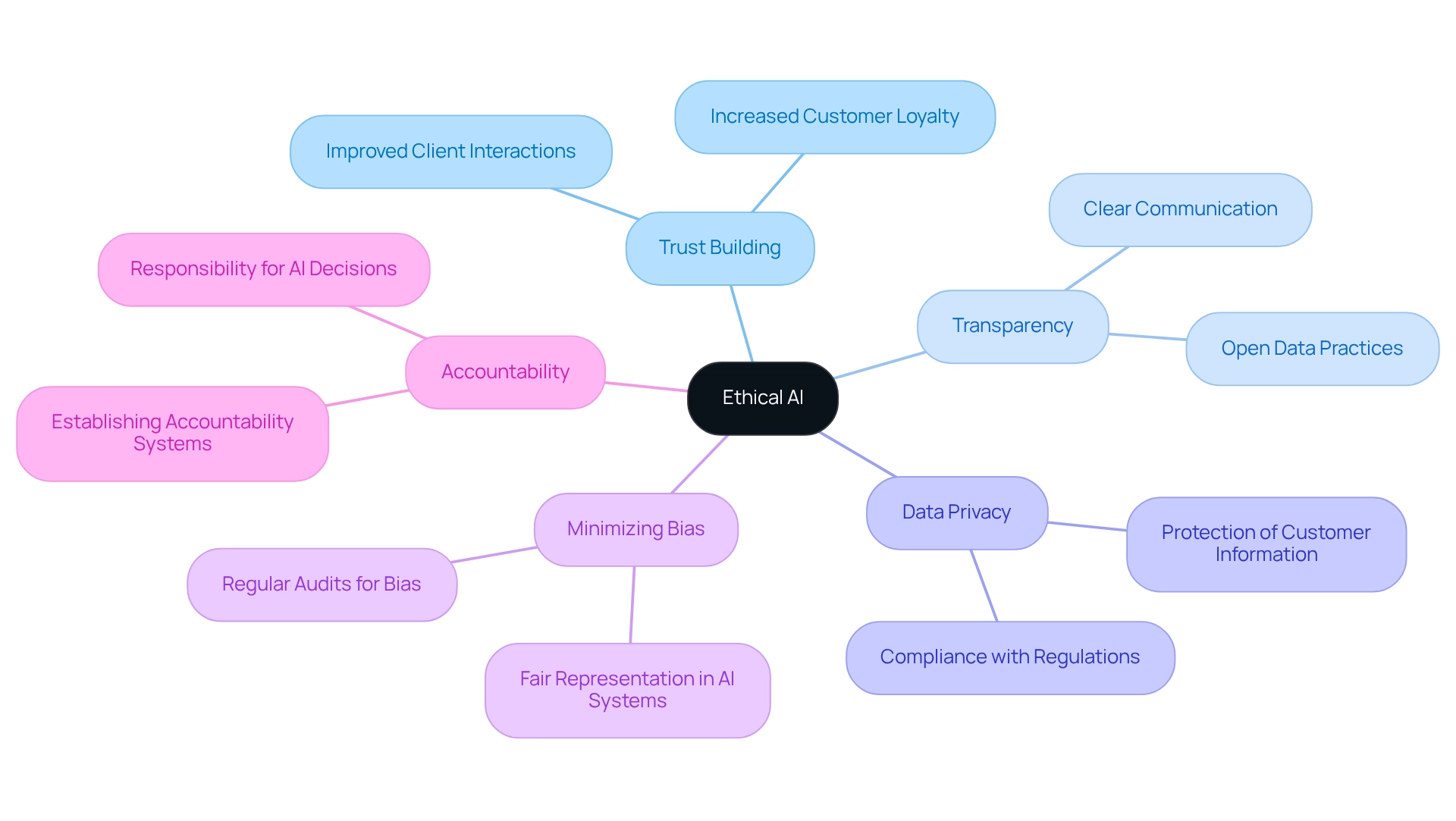
Organizations that wish to enhance their client engagement must consider ethical aspects when implementing AI technology. Organizations base their trust-building efforts on responsible AI practices which ensure complete transparency in all their interactions. Organizations develop stronger customer relationships through their dedication to data privacy protection and their work to minimize bias and create accountability systems. The establishment of trust functions as a basic necessity for sustained commitment and serves as a competitive marketplace differentiator.
Research indicates that ethical AI practices boost consumer trust in brands by 70% which directly affects customer loyalty. The case study 'Challenges and Opportunities in AI Adoption' shows how successful brands build trust by implementing ethical AI practices that combine transparency with accountability to improve client interactions.
According to Alan Trefler who leads Pegasystems as its Founder and CEO the future workplace demands flawless integration between human choices and AI-powered automation systems. The importance of trust in AI-driven client interactions will increase during 2025 so ethical AI practices become vital for businesses seeking success in this changing landscape.
Omnichannel Experiences: Ensuring Seamless Customer Journeys
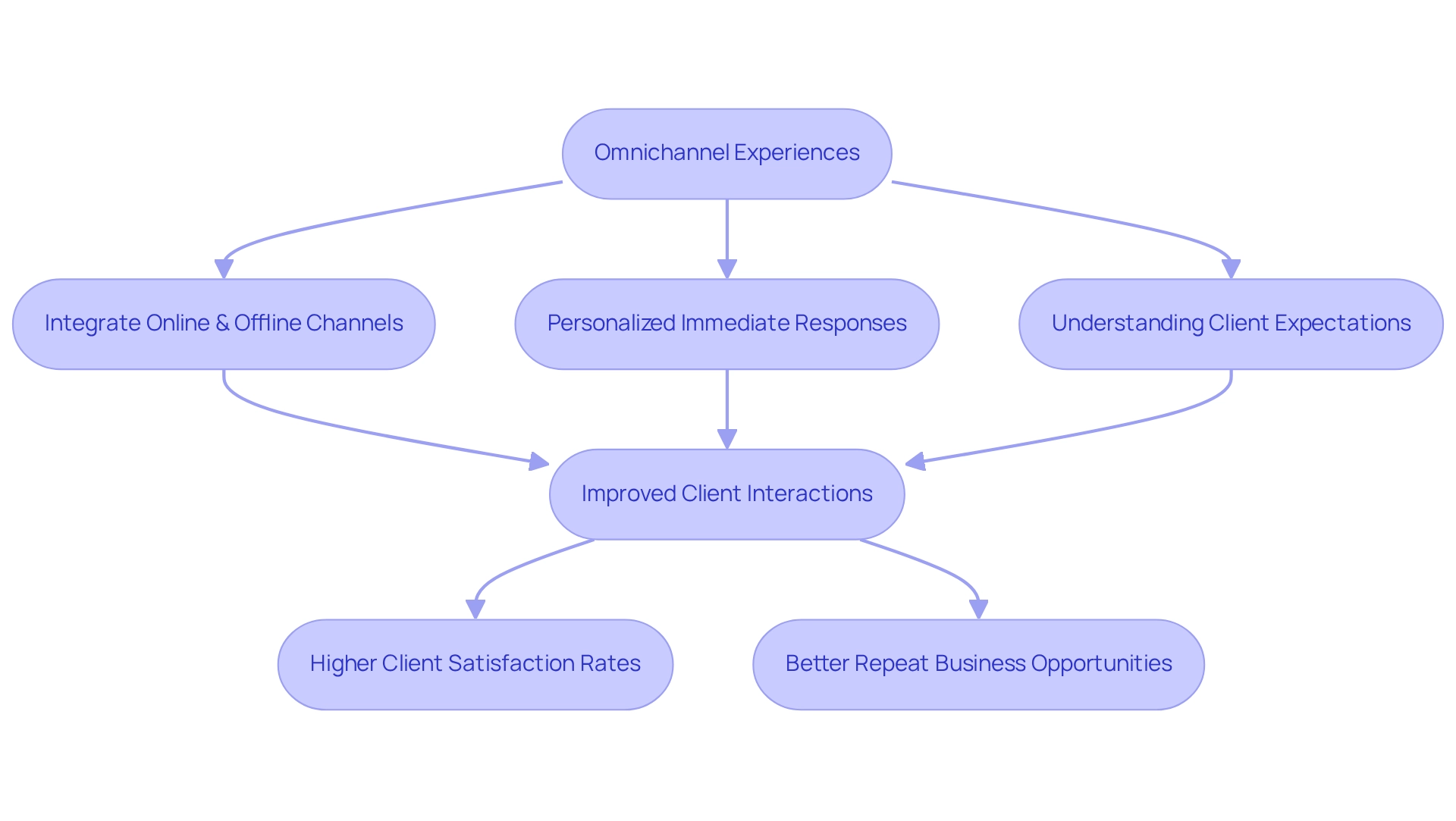
The delivery of seamless client journeys across online and offline touchpoints depends heavily on omnichannel interactions. Organizations that effectively integrate multiple channels provide unified messaging and support which results in improved client interactions. The strategy leads to higher client satisfaction rates and better repeat business opportunities since 88% of consumers prefer to shop at businesses which offer connected omnichannel experiences.
Brands must adapt to evolving customer needs because consumers now require personalized immediate responses. According to industry experts, organizations must establish a listening culture to develop customer-centric strategies. Ross Mason, who co-founded MuleSoft, states that businesses should make the most of every interaction with their clients. Software development by developers and marketing narrative delivery by marketers needs complete comprehension of client problems from their perspective. Businesses need to understand client expectations deeply because this knowledge enables them to create seamless interactions which function across all channels.
Businesses that unite their online and offline operations create superior service experiences for their customers. Their dedication to creating seamless client experiences results in increased satisfaction and positions them better for enduring success in a competitive market. The transition toward omnichannel experiences will establish customer experience trends for the upcoming five years, so companies need to create new client engagement approaches.
Organizations must handle data privacy challenges when working with their 912 partners who maintain access to personal information to meet client requirements. The gap between consumer expectations and business delivery remains a significant challenge because brands must deliver better personalization and faster responses than what clients expect.
Voice Technology: Revolutionizing Customer Interactions
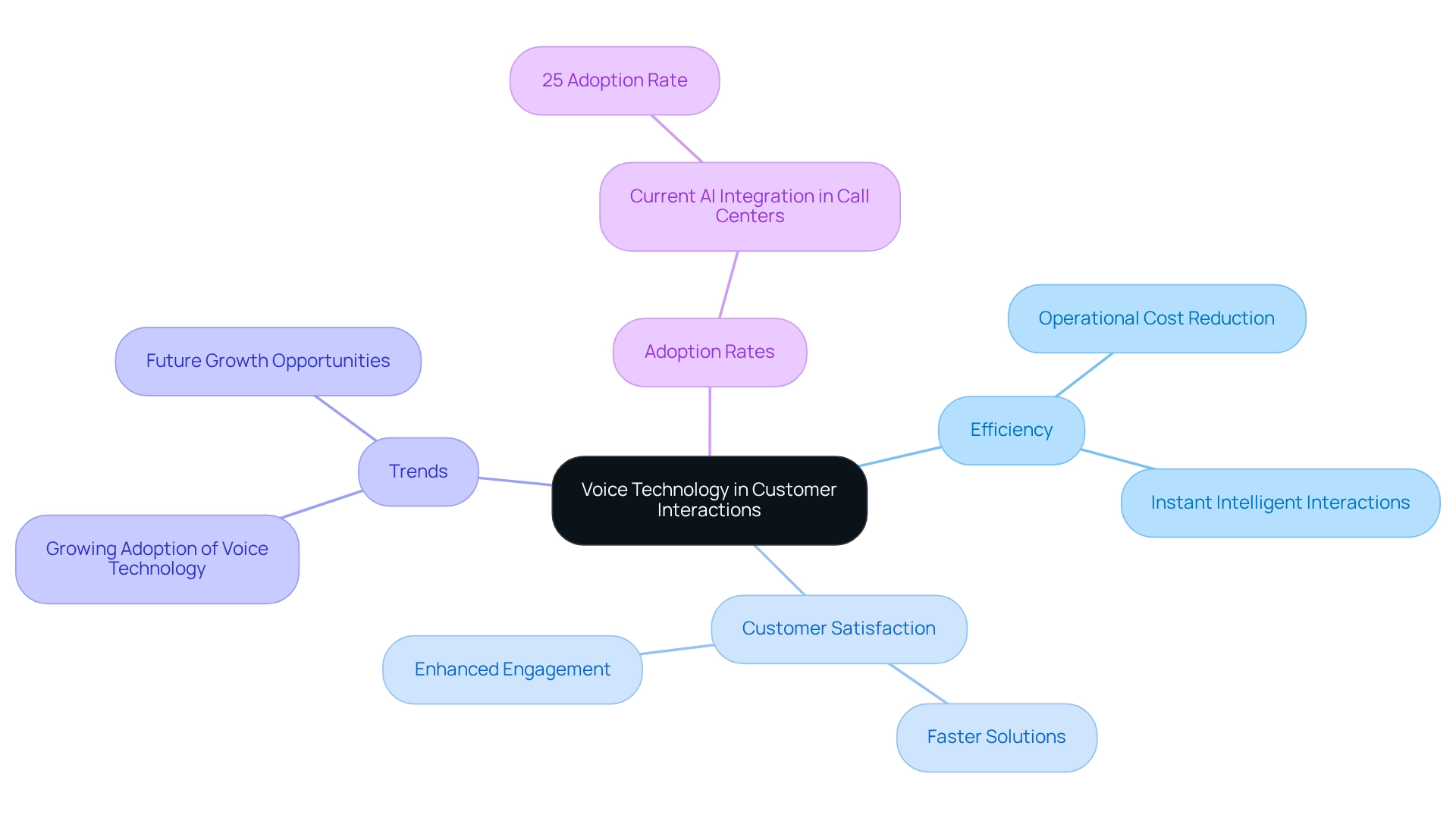
Voice technology enables client interactions through its natural and efficient brand communication approach. Voice assistants and AI-driven voice recognition systems enable users to access information, make orders, and receive support through simple voice commands. The technology delivers improved convenience to meet growing customer demands for hands-free interactions, which positions it as a vital service component for modern brands that prioritize customer experience trends. The case study 'Voice AI is Reshaping Customer Service' shows how successful brands enhance their service experience by using voice assistants according to these trends. The companies reduce their operational costs while improving efficiency to establish new standards for client experience. The current adoption rate of AI automation in daily call center operations stands at 25%, which indicates significant growth opportunities exist.
The importance of voice technology in client support continues to rise according to expert opinions. Harshitha Raja explains how Voice AI changes business-customer interactions through individualized and interactive support. Research indicates that client satisfaction with voice-assisted services keeps increasing because these technologies deliver faster solutions and enhanced engagement, which matches current customer experience trends. The adoption of voice technology across various industries will drive stronger voice assistant impacts on customer interactions during the next five years according to industry trends. Traditional support systems have consistently presented challenges to businesses, which have struggled to achieve both efficiency and client satisfaction while experiencing delays in response times. Voice AI integration transforms existing support systems by delivering instant intelligent scalable interactions which meet modern consumer expectations. Organizations that embrace these advancements will see voice technology expand its role in service delivery, which will drive innovation and enhance client interactions.
Hyper-Personalization: Meeting the Demand for Tailored Experiences
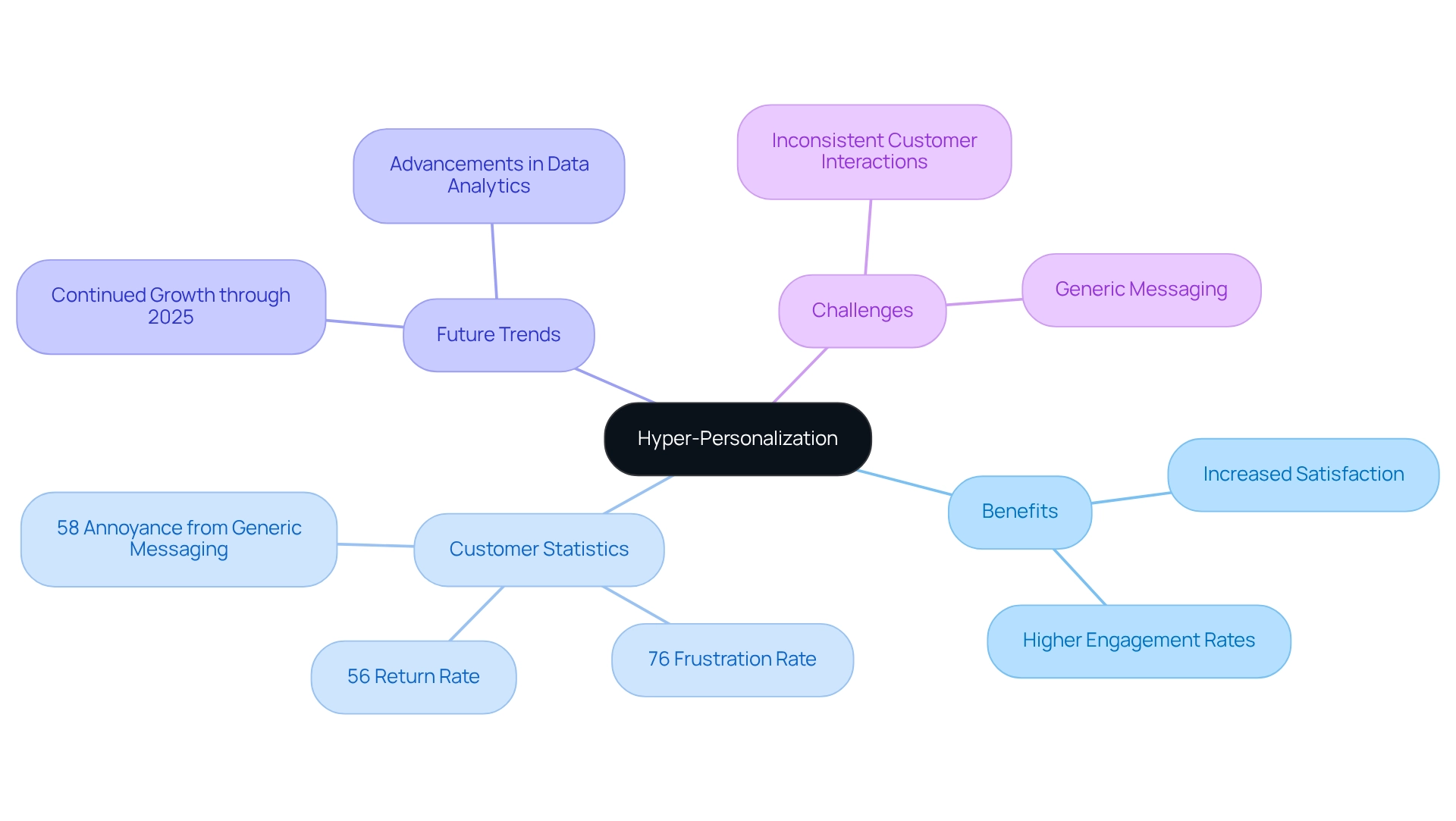
Hyper-personalization outperforms traditional personalization methods because it uses sophisticated capabilities. Advanced data analytics and artificial intelligence work together to generate unique experiences for each customer. Businesses develop deep personal connections through their analysis of client behavior and preferences and interaction data to deliver content and offers and services.
Research shows that personalized product suggestions on websites lead to customer satisfaction and loyalty because 56% of consumers return to such websites. The importance of personalized interactions becomes evident because 76% of customers feel frustrated when brands fail to deliver customized experiences. The delivery of generic or inconsistent messaging causes 58% of consumers to feel annoyed which demonstrates the negative impact of not providing tailored interactions.
Organizations that successfully implement hyper-personalization strategies will achieve better engagement rates and higher chances of customer repeat purchases. Survey results indicate that consumers would purchase again from a company offering customized approaches at a rate of 56% which represents a 7% increase from 2022.
The marketing trend toward hyper-personalization will persist through 2025 because data analytics advancements will enable companies to surpass customer expectations. The focus on exceptional client experiences drives both advocacy and organizational expansion as shown in the 'Expectations for Personalized Experiences' case study which demonstrates consumer demand for customized interactions.
Proactive Engagement: Anticipating Customer Needs for Better Satisfaction
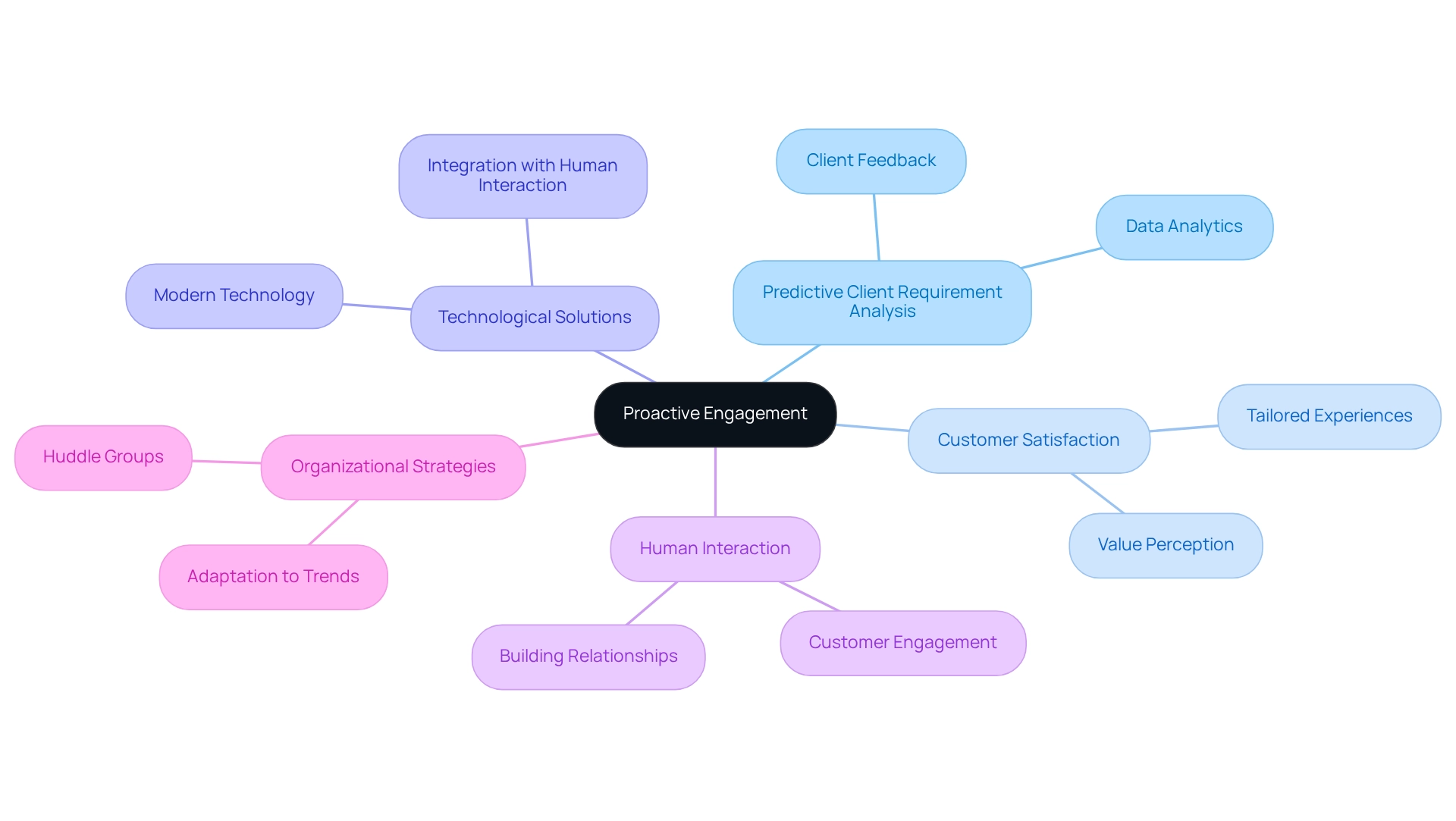
Organizations use predictive client requirement analysis to prevent problems from occurring through proactive client engagement strategies. The combination of data analytics and client feedback systems allows businesses to detect potential issues so they can deliver immediate solutions. The innovative approach leads to higher client satisfaction because 48% of clients will pay more for interactions that meet their individual needs. Clients experience value when they receive attention because this practice reduces their frustration which leads to better overall satisfaction.
Altos Labs demonstrates successful implementation through their combination of technological solutions with human interaction to deliver smooth client experiences. The combination of these elements by businesses in 2024 led to major improvements in client satisfaction which demonstrates how need anticipation helps companies stand out in competitive markets. Brands that identify client issues before they occur establish stronger customer relationships which leads to better customer retention and loyalty. Organizations must establish specialized huddle groups to adapt to changing customer experience trends because proactive engagement strategies remain vital for their success. Gartner indicates that customer service has evolved into a profit center from its previous role as a cost center which proves why these strategies are crucial for organizational success.
AI-Driven Emotional Intelligence: Connecting with Customers on a Deeper Level
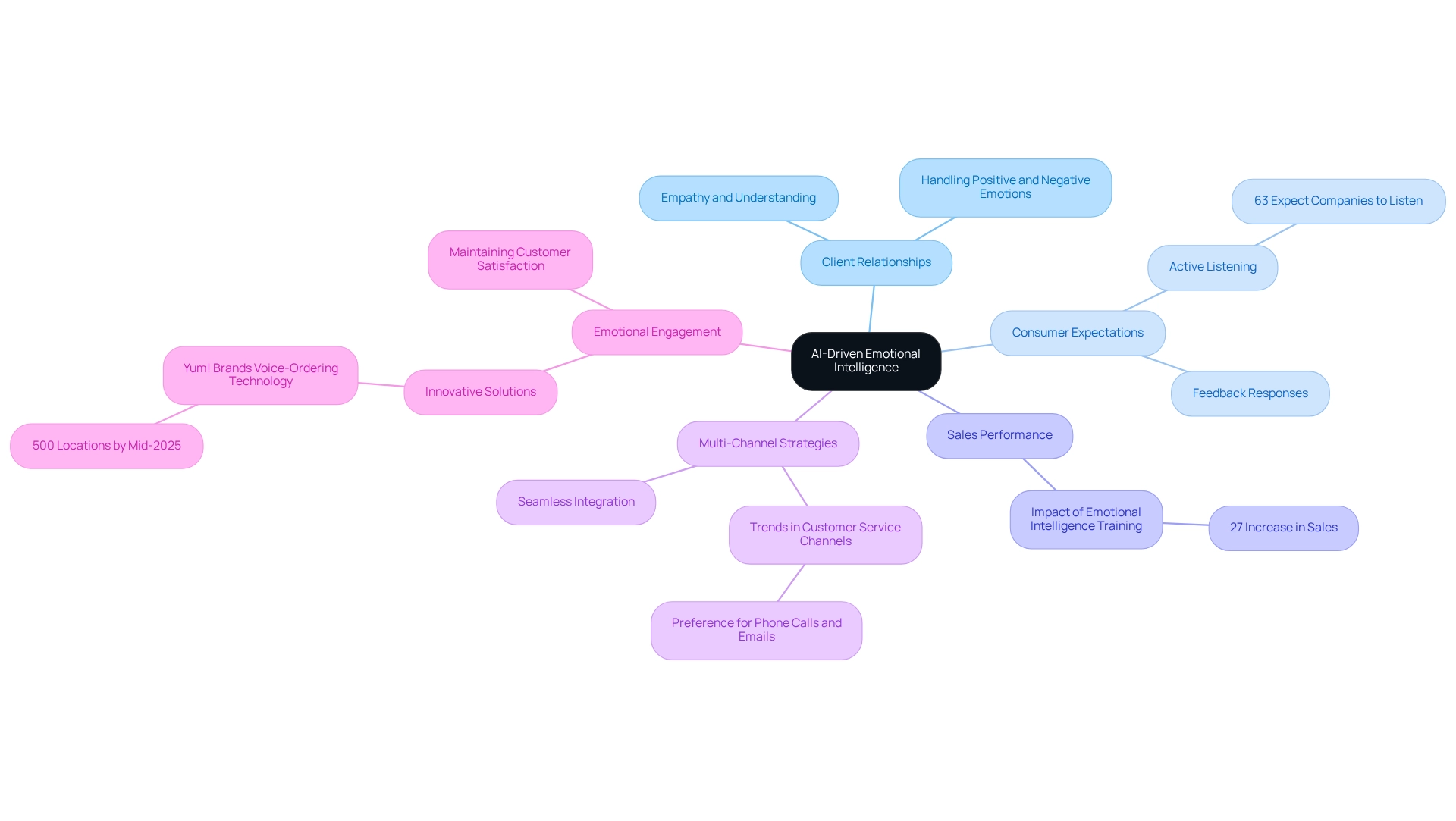
Businesses can build stronger client relationships through AI emotional intelligence because it enables them to interpret emotional signals precisely and respond appropriately. AI systems use advanced analytics to evaluate client feedback and interactions for emotion detection which enables them to develop customized responses for individual customers. Organizations achieve improved customer experience trends through such capabilities because they establish empathy and understanding which produces meaningful interactions that strengthen relationships.
Service management heavily relies on emotional engagement because 63% of consumers expect active listening and feedback responses from companies. The implementation of emotional intelligence training leads to a 27% increase in sales performance according to Emotional Intelligence Statistics which demonstrates its substantial business impact.
Organizations that establish seamless multi-channel service strategies will achieve superior satisfaction and engagement results because their clients now interact through different channels such as phone calls and emails. Yum! Brands deployed AI-driven voice-ordering technology across 500 locations during the first half of 2025 to demonstrate their commitment toward creating innovative solutions that enhance client interactions.
The initiative shows that companies need to handle client emotions effectively during challenging times to maintain customer satisfaction and loyalty according to present customer experience trends. Successful brands in 2025 will establish emotional intelligence as their fundamental service strategy because they recognize emotional connections with clients drive satisfaction and loyalty expansion in line with customer experience trends. These brands will establish more robust client relationships through their capacity to handle both positive and negative emotional experiences.
Evolving Customer Loyalty Programs: Fostering Long-Term Engagement
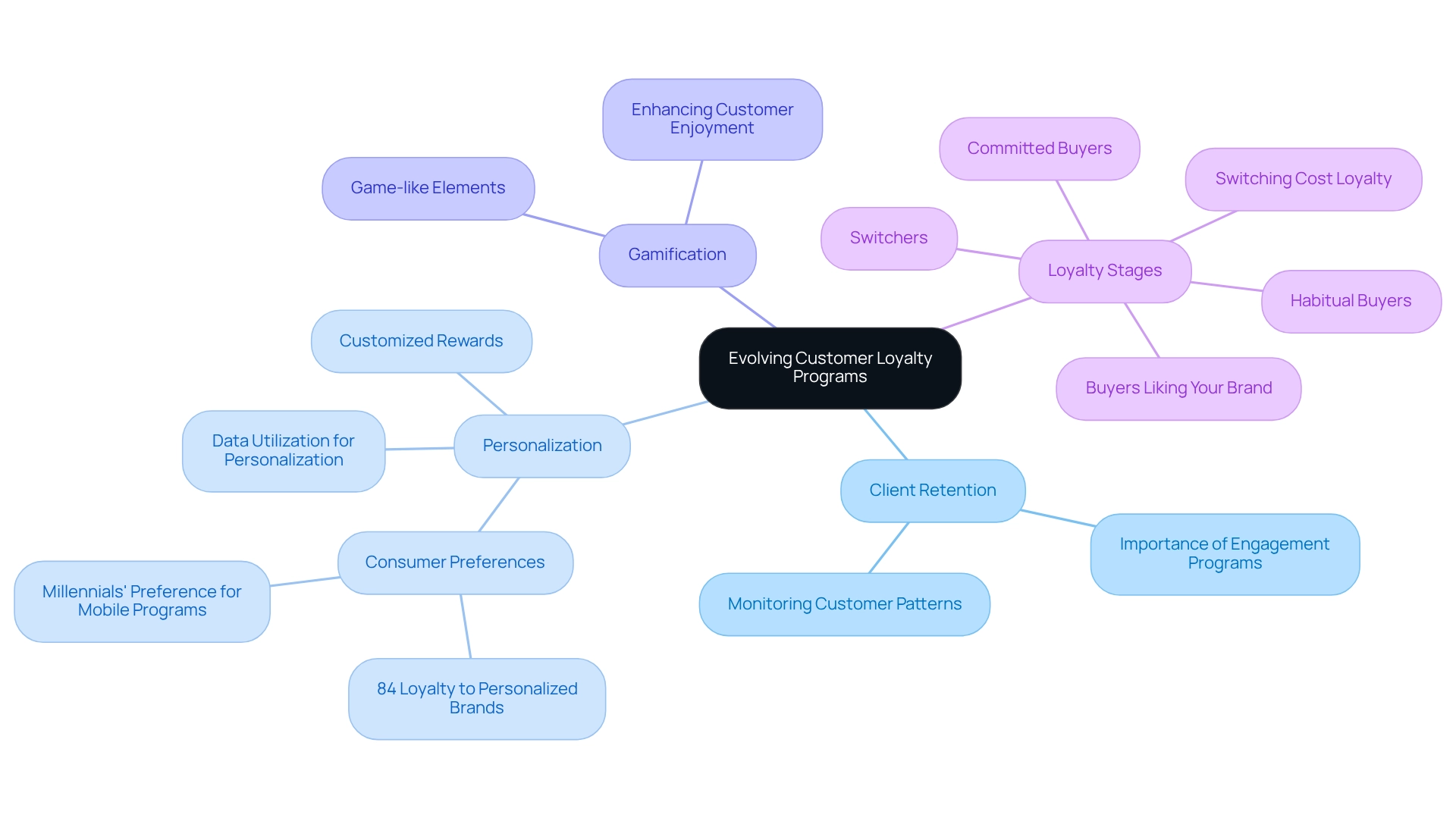
The competitive market demands that businesses implement client retention programs as their essential foundation for developing enduring client relationships. Businesses need to create engagement programs through individualized approaches which combine gamification elements and special rewards to establish meaningful connections with their clients. The success of customized rewards programs depends on personalization because 84% of consumers choose to stay loyal to brands that offer personalized rewards. The benefit of customized approaches becomes apparent because millennials prefer smartphone-based reward programs 14 times more than other options which requires businesses to create mobile-friendly solutions. Reward programs achieve higher participant engagement through gamification which delivers interactive activities to their members. Brands that implement game-like elements in their programs succeed in two ways by enhancing customer enjoyment while building stronger customer relationships. The data from Chris Galloway shows that program participants share their information to get personalized experiences which brands use to execute successful personalized strategies that build loyalty and maintain authenticity based on current customer experience trends. Consumer retention programs will undergo significant changes during the upcoming years because of evolving customer preferences and behaviors that stem from current customer experience trends.
The five loyalty stages including:
- Switchers
- Habitual Buyers
- Switching Cost Loyalty
- Buyers Liking Your Brand
- Committed Buyers
demonstrate why businesses need to adjust their strategies for different client development levels. According to Maurice Franks, allegiance develops naturally when proper conditions exist. Businesses need to monitor customer engagement patterns because their loyalty programs must remain both relevant and effective.
Conclusion
Organizations should establish customer experience enhancement as their number one business focus to succeed in today's competitive market. Trend intelligence helps businesses acquire practical knowledge which enables them to create strategies that fulfill evolving customer needs. Organizations must establish ethical practices, omnichannel experiences, and proactive engagement as fundamental elements for developing deep meaningful customer relationships.
Businesses use AI-driven personalization and hyper-personalization techniques to enhance customer engagement through customized interactions that match individual preferences. The high level of customization leads to increased customer satisfaction and loyalty because consumers look for brands that understand their unique needs. Strategic channel approaches enable businesses to become visible on customer-preferred platforms which results in more positive interactions.
The path toward 2025 depends heavily on ethical AI practices that companies must adopt to build trust and transparency for lasting customer loyalty. Organizations need to keep innovating and adapting their strategies to meet customer demands because voice technology and proactive engagement continue to grow in popularity. Loyalty programs have evolved to demonstrate that personalization along with gamification remain essential for developing enduring customer relationships.
Businesses that implement these strategies achieve superior customer satisfaction while establishing sustainable success in their transforming market landscape. These principles help organizations exceed customer expectations which results in satisfaction and loyalty development.