May 25, 2025
10 Art Trends Shaping the Future of Creativity in 2025
Biophilic design, oversized abstracts, sustainable materials, and immersive technology are reshaping art in 2025.
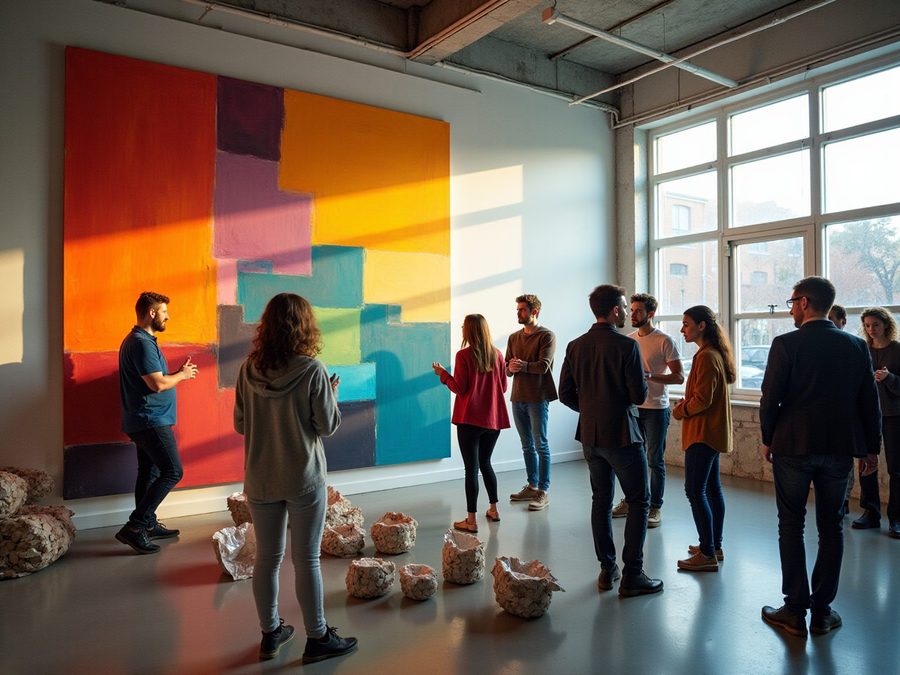
Overview
The article studies ten fundamental art movements which will determine creative paths for 2025. The art world currently experiences three dominant trends which include biophilic art together with increased community involvement and a major shift toward sustainable artistic practices and technological implementation. The artistic developments follow social changes because people now prioritize environmental protection while seeking personalized connections to art market experiences. Artists together with collectors demonstrate changing behavior because they adapt to shifting consumer preferences and cultural values.
The identified trends reveal their meaning because biophilic art promotes nature connection to support both wellness and environmental protection. Artists who engage with their community allow multiple participants to join their creative process which deepens artistic experiences while building shared connections among participants. Artists should practice responsibility during the climate-conscious era by developing innovative work which respects environmental limits according to the emphasis on sustainability and technology.
The trends matter because they show how art is evolving toward a more mindful and diverse artistic environment. Artists who adapt to these changes will both boost their significance and enable viewers to develop stronger connections with art. The advantages include sustainable creative methods and stronger community ties and enhanced individualized experiences for art lovers.
The analysis of these ten art trends shows that the artistic environment contains both obstacles and energizing elements. Artists together with collectors must handle these changes with deliberate attention while embracing their advantageous aspects. Their work will establish a dynamic sustainable arts environment which aligns with contemporary cultural values.
Introduction
The art environment of 2025 presents unique challenges alongside promising opportunities which artists, collectors, and galleries must handle. The evolving social landscape forces changes in consumer behavior which artists need to understand through market trend analysis to achieve success. The increasing demand for biophilic art allows people to reconnect with nature, which produces positive effects on their well-being and environmental awareness. The market demand for oversized abstract art pieces has increased because they transform spaces while delivering enhanced viewing experiences. The art world undergoes a major transformation because personalized art advisory services now fulfill the increasing need for customized art acquisition experiences. The trend enables collectors to pick art pieces that fit their tastes while giving them improved decision-making tools. The art community shows its increasing environmental awareness through sustainability initiatives which demonstrate its commitment to eco-friendly practices. The upcoming creative trends require detailed analysis to provide essential market leadership knowledge for those who want to dominate the growing competition.
Ubertrends: Essential Insights for Navigating Art Trends in 2025
The resource Ubertrends delivers vital information to help artists, collectors, and businesses understand the upcoming art trends of 2025. The organization delivers vital information through thorough analysis of societal changes and consumer behavior patterns, which enables artists, collectors, and businesses to adapt to changing market conditions.
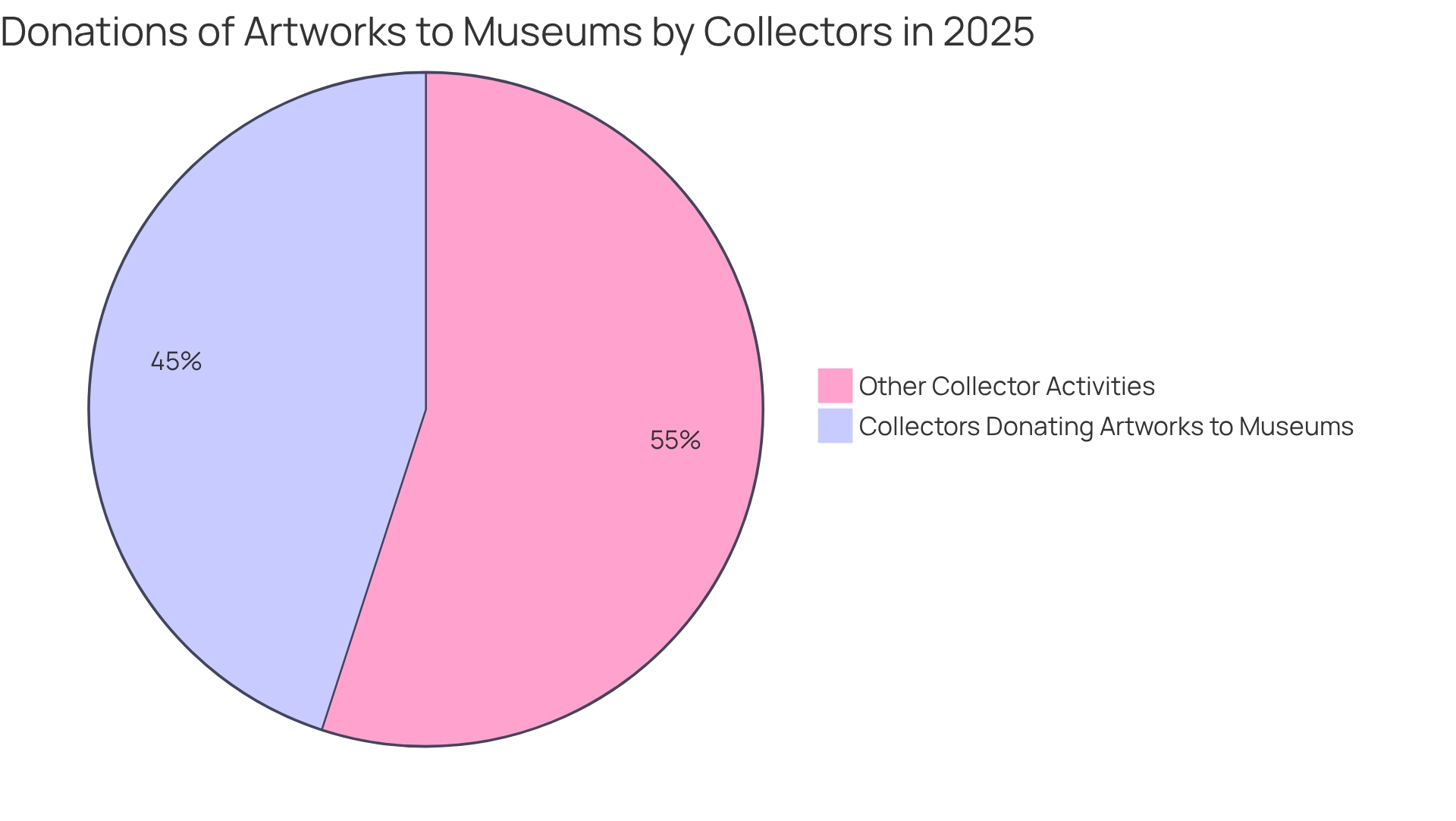
The art community will experience a 45% increase in collectors donating artworks to museums during the upcoming year. The worldwide art market achieved both market strength and investment potential when it reached USD 50.1 billion during 2020. The value and stability of art investments have increased by 2% since the previous year, thus making them superior to other luxury assets. These patterns demonstrate their essential role.
Through its Toolhacker review integration, Ubertrends enhances its trend intelligence capabilities, which allows stakeholders to make strategic decisions in a dynamic environment. Ubertrends provides essential strategic foresight to understand future creative developments in art and emerging art trends, which help clients maintain market competitiveness.
Deglobalization: The Rise of Domestic Markets in the Art World
The art industry undergoes major changes in 2025 because of deglobalization which leads to local economic growth that transforms artistic trends. Art trends demonstrate artists together with collectors are moving toward local connections which has forced galleries to display regional artists while deepening their ties with the community. The local economy benefits from this movement through cultural development and artistic variety that enables multiple creative expressions.
The art market shows a developing trend of personalized collector interactions because 25% of galleries now need price requests before showing information. The 46% of collectors who want educational art history and technique content remain unsatisfied since galleries only understand the value of this request to a limited extent of 15%. The existing mismatch between gallery expectations and collector needs requires galleries to adopt new methods for better engagement.
The success of regional artists and programs such as KAWS demonstrates the growing popularity of local art scenes because consumers seek authentic connections in their purchases. The expert analysis shows that art trends will drive future creative development because they establish an innovative space that prioritizes local artistic innovation.
Your ability to create as Michelangelo remains unaffected by your past relationship with a Medici according to Kevin Wignall. The evolution of art follows the Ubertrends' guidance to adapt to societal changes for success in contemporary art. The trends can be maximized by galleries and creators through local business partnerships and social media community engagement and educational workshops about art history and techniques. The strategic moves boost their market position and enhance their local customer relationships which supports artists and collectors during this evolving period.
Biophilic Art: Embracing Nature in Artistic Expression
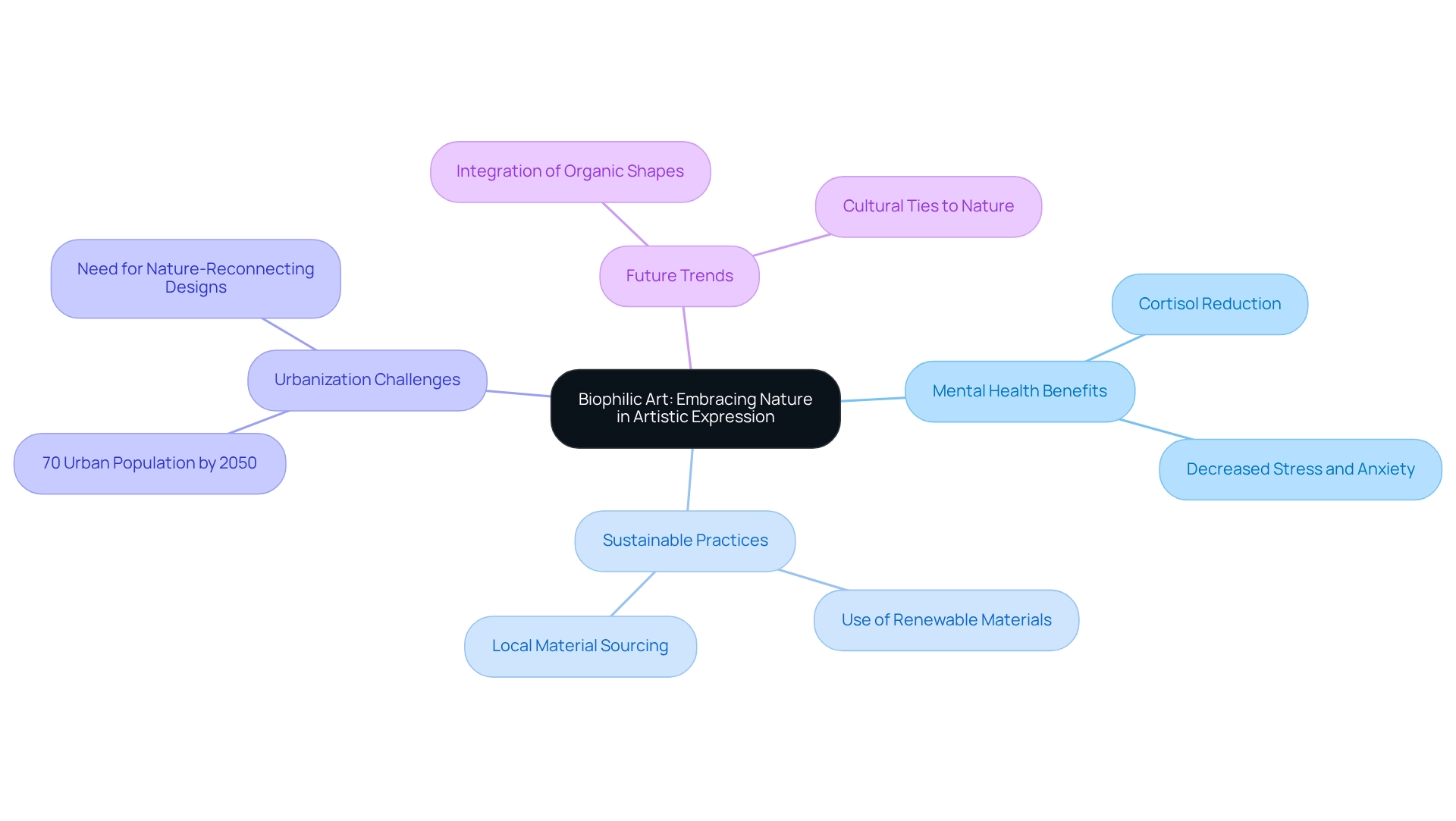
The art world will emphasize biophilic art trends in 2025 because artists now include natural elements in their creative work. The movement combines environmental consciousness with mental health advantages through its development of peaceful areas that foster natural connections. The future artworks will combine organic shapes with natural tones and sustainable materials to establish environments which deeply unite viewers with nature.
Research indicates that natural elements help people decrease their stress and anxiety levels. Research indicates that nature exposure decreases cortisol levels by 20% because cortisol functions as the main stress hormone. The urbanization trend will reach a 70% city population by 2050 which demands immediate design solutions to help people reconnect with nature.
The biophilic movement has gained momentum through notable creators who use renewable and local materials to create installations which both fascinate and motivate people toward sustainable practices. The analysis of biophilic art installations proves that these works develop superior spaces because they enhance energy efficiency and establish emotional ties with nature which results in higher environmental stewardship among people.
The 'Biophilic Design and Sustainability' case study shows how these designs establish healthier environments through sustainability principles while promoting sustainable resource practices. The upcoming biophilic design art trends show that artists will implement this approach to communicate their values and establish meaningful relationships with their public.
The shift reveals how nature has become an essential component in contemporary artistic practice which makes it vital for creative industry professionals. Jeremy Laster explains that uniting nature with art produces both visual attractiveness and deepens our cultural ties to the environment.
Oversized Abstract Art: A Classic Trend Reinvented
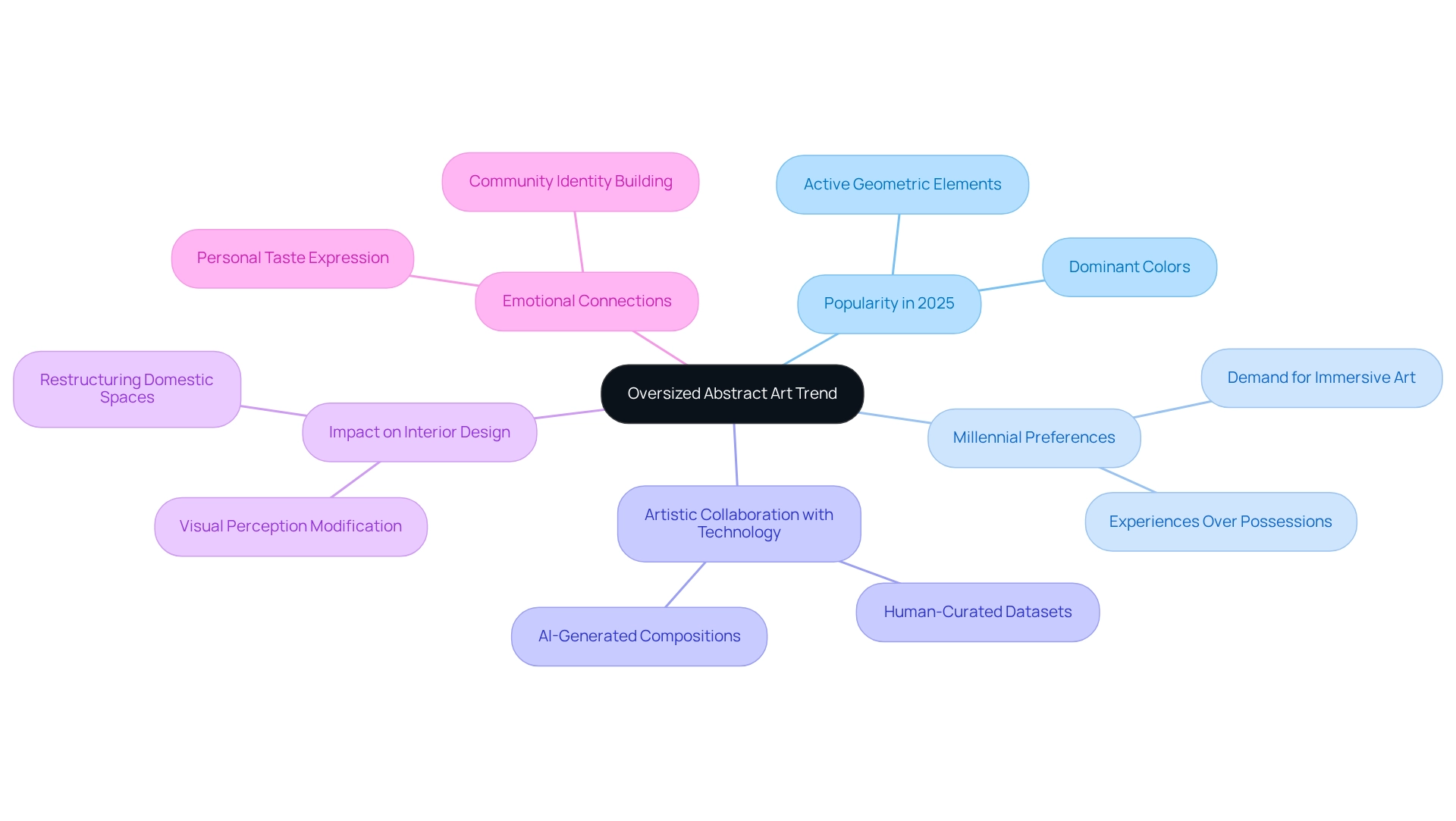
In 2025 oversized abstract art gained popularity within the art world as artists and collectors alike discovered fresh appreciation for this artistic style. The contemporary art market demands substantial abstract artworks with dominant colors and active geometric elements to fill both domestic and exhibition halls. The current art market reveals consumer preferences for forceful artistic expressions because these preferences convert normal spaces into artistic environments that transcend mere decorative elements.
Market data shows that large abstract art attracts increasing consumer interest among millennials who select experiences over material possessions. This demographic preference for interactive immersive art drives up market demand for extensive works which create multiple sensory experiences. Artists use their work to build deep emotional bonds with viewers which results in more impactful living space aesthetics. Artists in 2025 use human-curated datasets to refine their AI-generated compositions which demonstrates how technological advancements collaborate with creativity to define contemporary art.
The art expert states that large-scale artistic installations restructure domestic spaces according to interior designers. The designer mentioned that oversized artworks modify the visual perception of spaces by creating more spacious inviting environments. Experts across the industry acknowledge that this particular artistic approach functions to both engage viewers and express personal statements.
Large abstract artworks in domestic settings demonstrate owner personal taste and simultaneously generate lively spaces which foster creativity and artistic inspiration according to research findings. The growing interest in immersive art among millennials demonstrates their need for deep artistic connections thus driving market trends toward larger artworks. Tori describes her connection to Bentinck Island through her statement about "keeping us connected to our home on Bentinck Island" which shows how art helps individuals and communities build personal and collective identities.
Modern artists have revived oversized abstract art to become a classic art style which will lead future interior design trends. The ongoing debate about grey in interior design for 2024 may cause consumer preferences to shift because color trends tend to overlap with artistic decisions.
Shift from Gallery Retail to Art Advisory Services
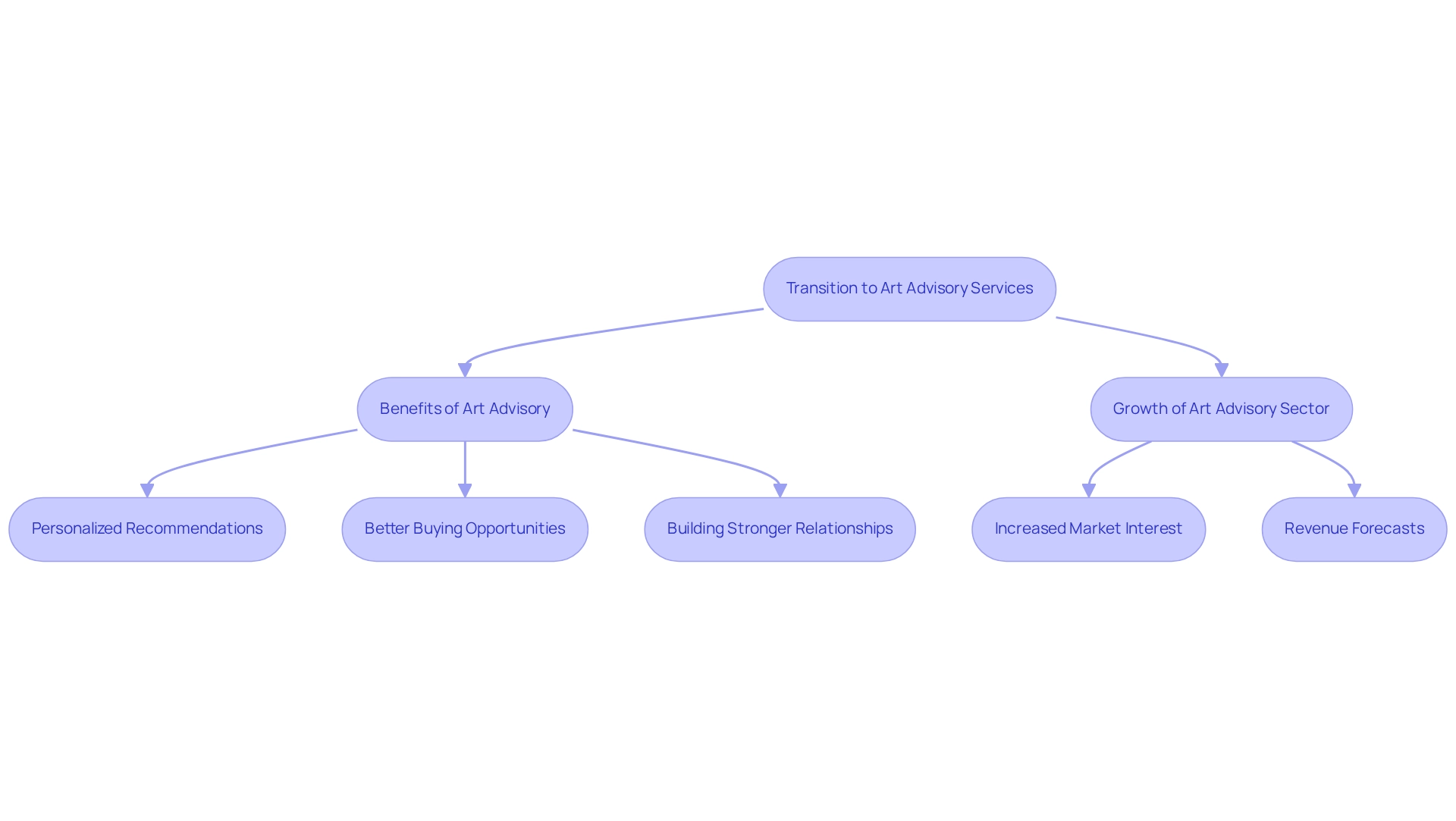
The art collector market will transition from traditional gallery acquisitions to art advisory services which track market trends throughout 2025. The increasing market interest in customized art acquisition guidance together with trend monitoring causes this transformation. The expertise of art advisors enables clients to experience better buying opportunities through personalized recommendations which match individual tastes while also considering financial objectives as well as current market trend analysis. The customized approach allows artists and collectors to develop their collections better while building stronger relationships based on shared contemporary artistic interests.
The art advisory sector will expand significantly during the next five years because industry revenue forecasts indicate its dominance will spread across North American and European markets. The fine art advisory revenue demonstrates significant growth because art trends within these services continue to increase in popularity. The unique features of art advisory services attract novice art buyers because they assist clients in overcoming their fear of galleries and auction houses and deliver personalized artistic direction. New art collectors face prolonged and complex art collecting challenges because they must learn about and adjust to modern art movements.
The 'Role of Art Advisors in Contemporary Art Collecting' case study illustrates how seasoned art advisors build essential relationships to guide their clients in successfully tracking art world trends. Art advisors show their clients art trends alongside personal interests but art dealers serve as agents who represent artist collections. These separate functions serve as the basis for building client trust and delivering complete support during the acquisition process for collectors.
AWG Art Advisory's Alex Glauber states that 'The concept of advice for collectors has been present since the beginning yet has appeared in different ways' indicating rising awareness about tailored guidance for art trend navigation. Industry experts suggest monitoring ArtNews and The Art Newspaper for modern art trend updates because their expanding impact shapes the art market during 2025.
Adaptability and Innovation: Keys to Success in the Art Market
Artistic trends in 2025 require both adaptability and innovative thinking for success. The evolving art trends require artists together with galleries to explore multiple art forms while adopting emerging technologies for market competition and customer need fulfillment. The 2024 sell-through rate reached an exceptional 83.9% to prove that the market responds positively to innovative methods. The market competition demands stakeholders to implement creative flexible principles for achieving success. Through this mindset artists can establish new artistic domains through collaborative work on distinctive artistic creations which support both artistic progressions and commercial potential.
Artists can successfully adapt their creative processes while maintaining their individual artistic voice through modern thematic representation according to Amy Sherald's work at the Whitney Museum of American Art. The artist showcases her artistic evolution and major impact on modern portraiture through a collection of approximately 50 paintings that comprise her inaugural museum survey.
Expert analysis demonstrates the necessity of embracing innovation. The art market transformation requires artists to use new technologies in their work to stay relevant with modern artistic progress. Through their flexible method artists can build new creative work that satisfies changing consumer preferences in the dynamic market. Art Market Editor Arun Kakar explains that this report relies on valuable survey responses from collectors and gallerists and art dealers and gallery professionals. The leaders of the art world who embrace innovative strategies will discover new market opportunities first. Artistic practices of 2025 will merge nostalgic elements with contemporary aspects to display how adaptability and innovation become visible in artistic development.
The emergence of Instagram along with other platforms revolutionized visual storytelling and influencer marketing through innovative presentation methods that enable creators to display their work to their audiences. The ongoing evolution of Instagram has established it as an essential platform for creators to build their market visibility through exceptional visual content and audience participation. The modern art world demands social media integration because innovation functions as both a vital survival mechanism and key success element. The Apple 'Think Different' campaign demonstrates valuable lessons about innovation because it shows how new ideas transform industries and establish fresh possibilities which motivate creators to break free from traditional thinking for growth through change.
Social Trends: Influencing Contemporary Art Styles
The art world of 2025 undergoes fundamental transformations through contemporary art styles because artists find inspiration in environmentalist and social justice and cultural identity movements. The artists' engagement with their work leads to more relevant art that generates meaningful dialogue with their audience. The increasing number of artists who focus on social justice demonstrates how society maintains its focus on essential matters. The arts develop stronger social bonds between audience members and creators because attendees are more likely to meet friends and family according to a notable case study.
The data reveals that artists use social issues in their art creation because 56% of them have included these themes in their creative work. Modern creators understand that success depends on both their talent and their mindset and the necessary support they receive. The expert opinions show how social justice movements affect art trends because they push creators to develop innovative artistic expressions that appeal to contemporary audience interests. According to Julien Delagrange who serves as both art historian and contemporary artist, artists and their audience members bear no responsibility for success because achieving it remains challenging. The creative landscape becomes more vibrant because of the dynamic connection between art trends and social trends which establishes art as a fundamental tool for advocacy and transformation.
Technology's Role: Transforming Art Creation and Distribution
The art world experiences fundamental changes through technological advancements during 2025 which drives emerging artistic trends to shape both artistic production and distribution methods. Digital tools including artificial intelligence (AI) and virtual reality (VR) enable artists to create new artistic trends while developing innovative methods for audience engagement.
The revolutionary art production capabilities of AI become evident through the first AI-generated portrait which sold at Sotheby's for £40,000 according to writer and researcher Yogesh Shinde. The acceptance of AI as a valid artistic medium continues to grow because of this development.
The digital art market demonstrates promising growth potential because experts forecast a 25% annual expansion throughout the next five years. The main challenge for digital art collection investments arises from unclear ownership and authentication problems which impact 70% of art buyers. The art market requires immediate implementation of better authentication systems because online platforms drive art trend marketing and distribution changes which boost creator visibility and accessibility.
The art world's democratization process enables different artistic voices to emerge which drives art trend development and expands cultural dialogue. Through Dmitry Morozov's Pollution Data Art technology combines environmental data with technology to create visual art which merges activism with artistic expression.
Through X-ray analysis technology scientists can now reconstruct hidden landscapes in Picasso's paintings and other famous artworks because of modern technological advancements in art restoration. The advancement of technology will strengthen its position in artistic creation and distribution thus opening new opportunities for creators to express themselves while transforming the art market dynamics.
Sustainability in Art: The Push for Eco-Friendly Practices
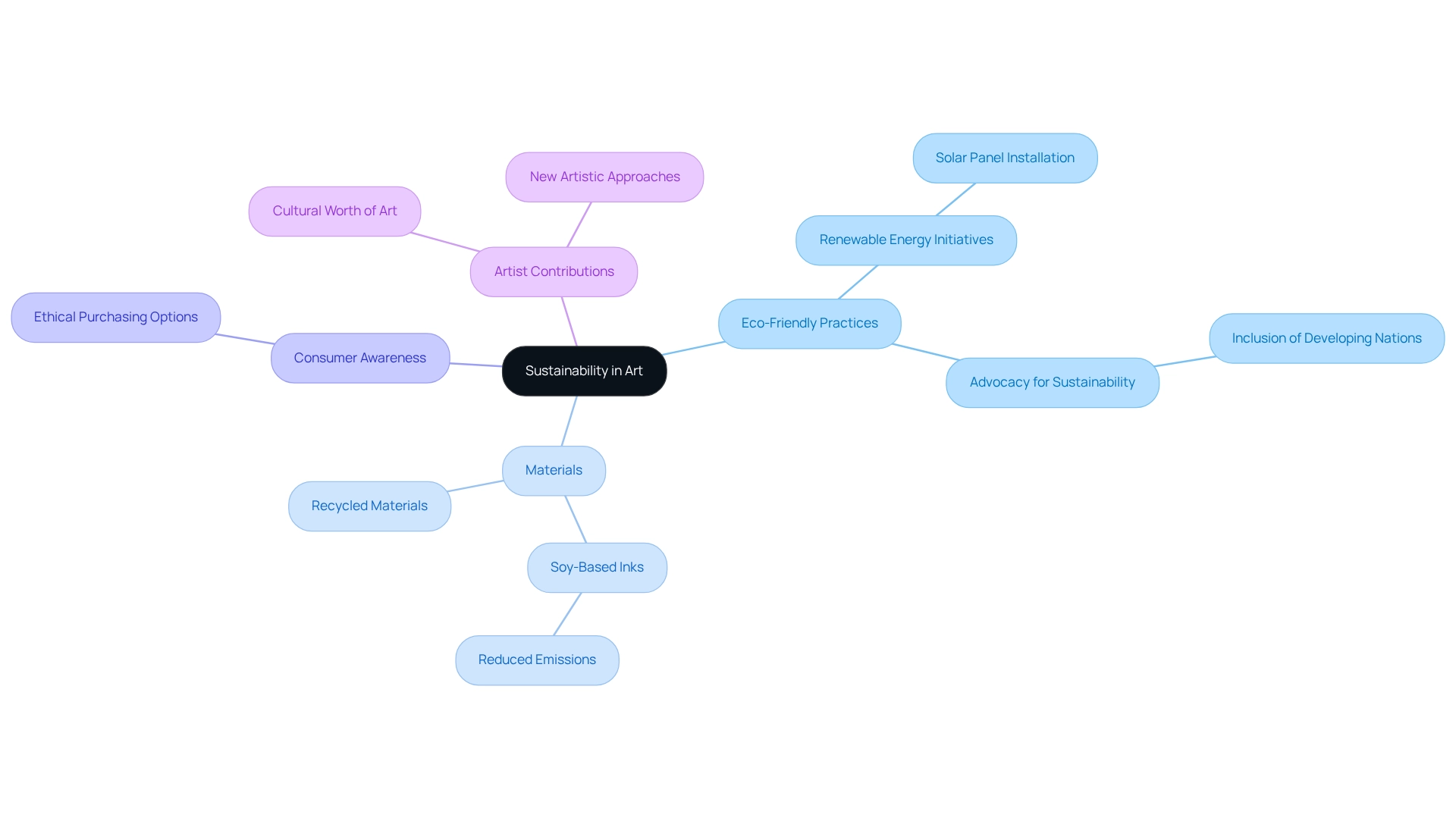
Artists in the art world have adopted sustainability as their primary artistic direction through their selection of environmentally friendly artistic methods. Sustainable artworks made from recycled materials and organic pigments and environmentally friendly production methods will significantly increase in the art world during 2025. The growing environmental awareness matches the artistic trends which appeal to consumers who seek ethical purchasing options.
Art Jameel leads the way by implementing renewable energy initiatives that include solar panel installation plans for their operations. Soy-based inks continue to gain popularity because they significantly reduce the emissions produced during printing processes.
Sustainability-focused artists produce artwork that simultaneously protects the environment and increases the cultural worth of their artistic creations. The art community expands its dialogue about sustainable practices through their inclusion of developing nation voices in sustainability discussions. Eco-conscious creators promote new artistic approaches through their advocacy of sustainability in their creative work.
The expanding eco-friendly initiatives will transform audience engagement while reshaping the art market to align with present art trends for creating essential roles in future creative development.
Community Engagement: Redefining the Artist-Audience Relationship
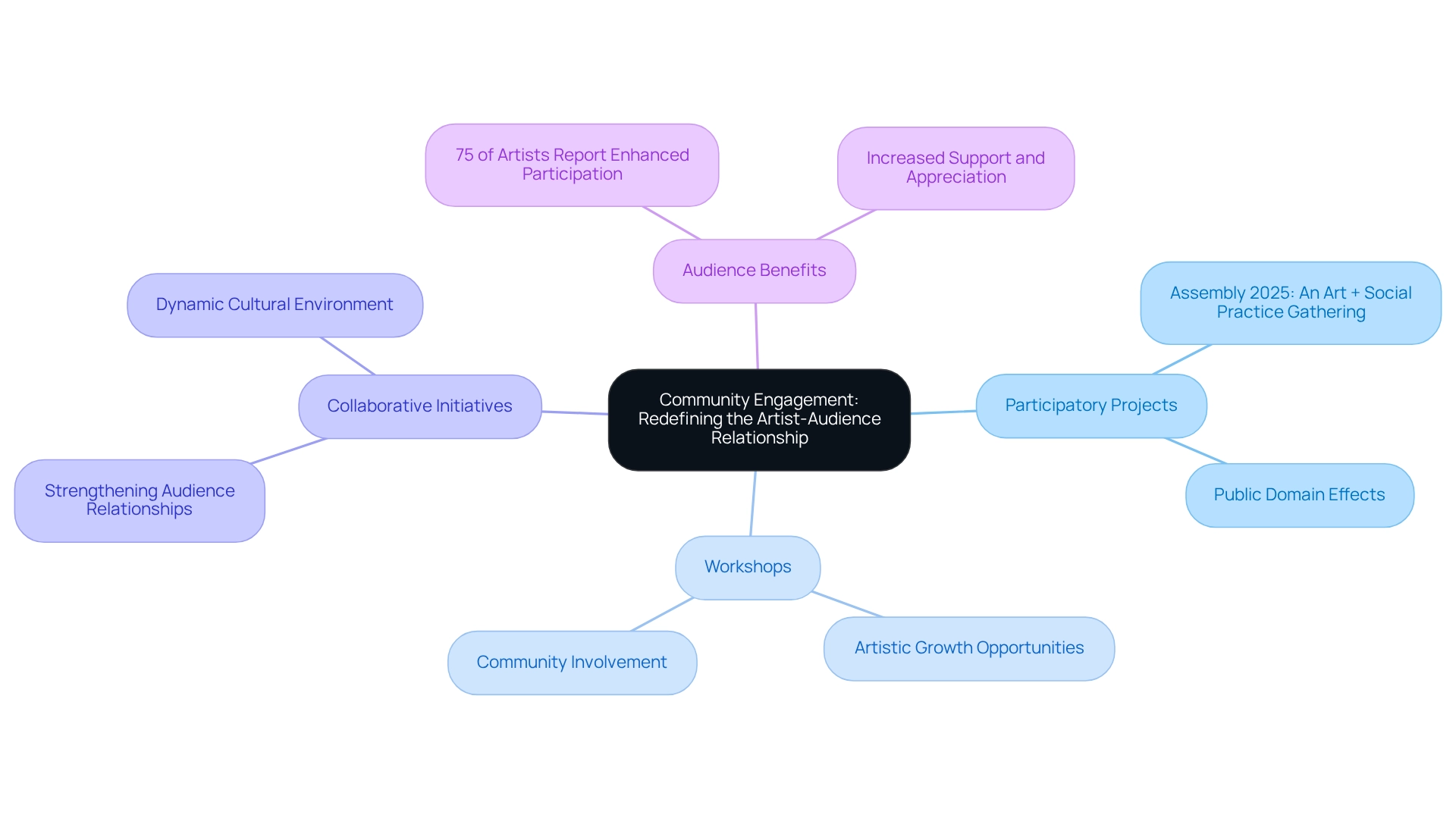
The artist-audience relationship experiences a complete transformation through community engagement during 2025. Artists establish strong audience relationships through their implementation of participatory projects, workshops, and collaborative initiatives. Through this transformation, people can experience a sense of community while directly participating in artistic growth. The focus on creator-audience interactions results in stronger relationships, which leads to better audience support and appreciation of their work.
Today's society depends on participatory art projects as fundamental tools for community engagement. The PSU Art and Social Practice MFA Program demonstrates the emerging movement through its Assembly 2025: An Art + Social Practice Gathering. The multi-day event provides participants with opportunities to study public domain effects through artistic creation and discussions about public space accessibility and knowledge accessibility.
Research shows that participatory art has gained popularity because 75% of artists report enhanced audience participation through these initiatives. Sarah Milgrim explains that the art world benefits from community engagement through participatory projects, which enhance artistic expression and create a more dynamic and diverse cultural environment. The trend of community engagement in art will expand its importance as it becomes a core practice in artistic development for 2025. Artists can develop successful community engagement strategies through Ubertrends' societal change insights to stay relevant in the evolving world.
Conclusion
The art environment of 2025 experiences significant modifications because of social developments, technological progress, and rising sustainability priorities. The art world transforms through art advisory services which unite with community engagement to reshape artist-collector relationships. The artistic transformation leads to better overall artistic experiences by making the artistic journey more connected and individualized.
Artists create innovative works through their market shift toward biophilic and oversized abstract art to match changing consumer preferences for emotional and experiential art connections. Artists and galleries in the contemporary artistic community use their work to advance social justice and environmental practices, which establish art as a fundamental instrument for creating positive societal change.
Artists and galleries must embrace new technologies alongside diverse artistic expressions to survive in this dynamic market environment. The art market evolution demands stakeholders to use Ubertrends' insights for effective navigation of these changes.
The art world of 2025 will thrive through diverse artistic expressions while artists and galleries need to adapt to new technologies to remain competitive. The art world of 2025 will thrive through collective efforts that unite creativity with connection and responsibility. These trends will enhance artistic experiences while establishing a sustainable art community that interacts with its audience.